









The Waterfront Premium: How Morocco’s Strategic Coastline Is Attracting Institutional Capital
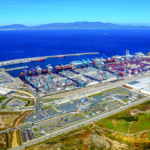
Morocco’s coastal real estate is no longer only a lifestyle market. It is becoming an institutional allocation trade linked to tourism growth, hotel capacity, branded residences, airport expansion and 2030…
The Morocco Corridor: Why Western Manufacturers Are Hedging Against Asia
Morocco is not replacing Asia. It is becoming a balance-sheet hedge for Western manufacturers trying to cut transit risk, working-capital drag and tariff exposure without absorbing Western European cost structures.
The Private Wealth Shift: How Tangier and Marrakech Are Moving Upmarket
Morocco’s luxury lifestyle market is no longer driven only by tourism. It is being repriced by private wealth. Tangier and Marrakech are becoming two different gateways for affluent buyers: Tangier…
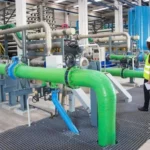
Morocco’s Water-Power Trade: Can Desalination Keep Industry Bankable?
Morocco is solving one industrial constraint by creating another. Desalination reduces drought exposure, but it also creates a new electricity burden.
Morocco’s SME Formalization Test: Can Digital Tax and Banking Pull the Informal Economy Into Growth?
Morocco’s next growth premium will not come only from mega-projects. It will come from pulling more small businesses out of cash opacity and into the formal tax, banking and payments…
The 25,000-Key Sprint: Inside the Financing Vehicles Battling Morocco’s Hospitality Deficit
Morocco’s hotel-capacity race is no longer a tourism story. It is a real estate finance stress test. RABAT — Morocco welcomed 19.8 million tourists in 2025, up 14% year-on-year, while…
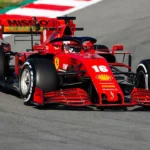
Tangier’s $1.2 Billion Track Tests Formula One’s Appetite for an African Return
By streamlining the sport's punishing European logistics corridor, Morocco's northern port city presents a cold operational counterweight to rival bids from Rwanda and South Africa.
The Tangier Lifestyle Premium: Why Europe-Facing Buyers Are Repricing Morocco’s Northern Coast
Tangier’s lifestyle market is no longer a simple coastal-property story. It is becoming a cross-border wealth and mobility trade. TANGIER — Morocco’s northern coast is being repriced by a buyer…
The Cost Per Kilo: Stress-Testing Morocco’s $32.5 Billion Green Hydrogen Pacts
Morocco’s green hydrogen race will not be won by the sovereign signing the largest memorandums. It will be won by the infrastructure assets that can deliver bankable molecules at a…
Casablanca’s AI Arbitrage: The Cloud, Wage and Power Stack Pulling Europe’s Tech Work South
European companies are no longer looking at Morocco only as a low-cost outsourcing base. The sharper investment case is emerging higher up the technology stack: AI operations, cloud workloads, data…