

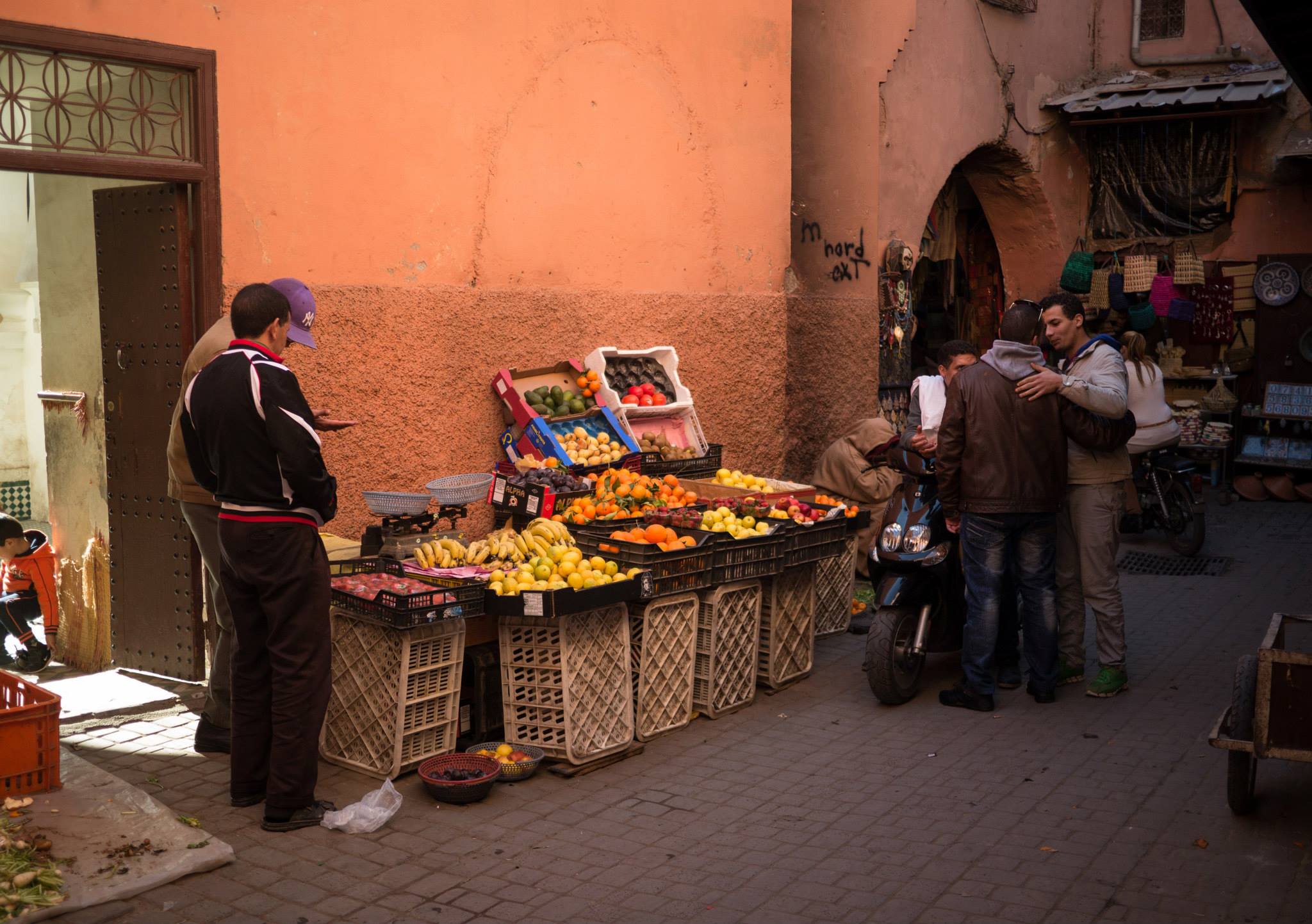
Morocco’s next growth premium will not come only from mega-projects. It will come from pulling more small businesses out of cash opacity and into the formal tax, banking and payments system.
The fiscal signal is already visible. Morocco’s tax revenues increased by MAD 25.1 billion by the end of June 2025, a 16.6% rise compared with the same period in 2024, according to Budget Minister Fouzi Lekjaa. The IMF has also urged Morocco to keep expanding its tax base while maintaining fiscal discipline.
Morocco Formalization Signal
Tax revenue increase by end-June 2025: MAD 25.1 billion
Year-on-year increase: +16.6%
Informal economy estimate: nearly 30% of GDP
Informal employment estimate: more than 40% of total employment
Digital payment opportunity: still underused among small merchants
Policy pressure: broader tax base without crushing SME margins
The high-alpha question is not whether Morocco can raise more tax. It is whether Rabat can formalize SMEs fast enough to expand fiscal capacity without pushing micro-entrepreneurs back into cash.
The Disruption: Cash Is Now a Growth Bottleneck
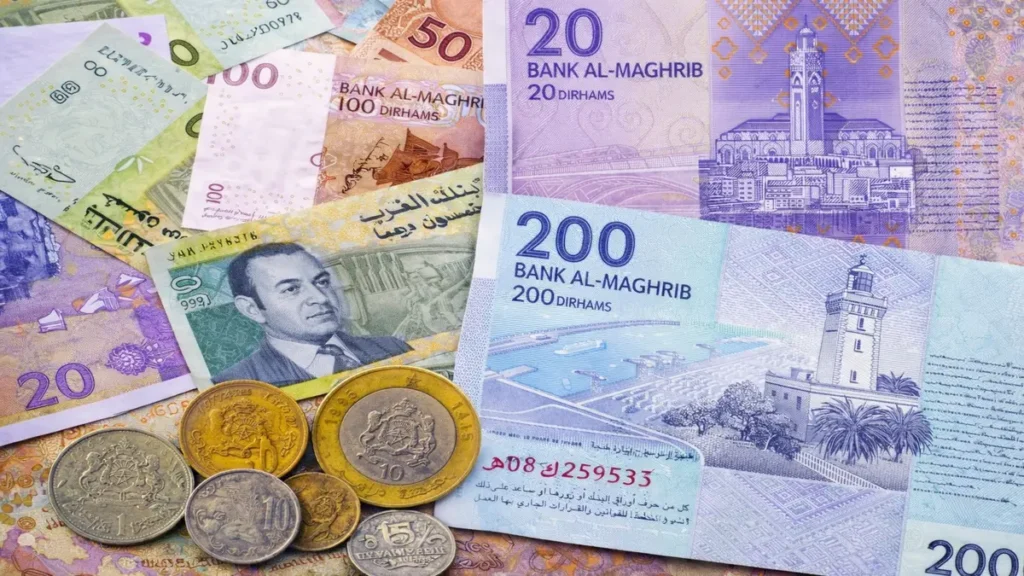
The informal economy has long acted as a social shock absorber. It absorbs workers, supports household income and keeps micro-commerce alive.
But informality also creates a ceiling. Cash-heavy businesses struggle to access bank credit, prove revenue, build supplier history, qualify for tenders or scale beyond family networks. For the state, it narrows the tax base and limits fiscal room for infrastructure, healthcare, education and job creation.
Cash-to-credit map
Cash sales ──► weak records ──► limited tax visibility ──► no credit history ──► low SME scale ──► weaker productivity
The World Bank has highlighted private-sector constraints in Morocco, including informality and limited firm dynamism. A 2026 research paper citing World Bank and HCP estimates places informal activities at nearly 30% of GDP and more than 40% of total employment, with informal employment reaching particularly high levels in agriculture and non-agricultural sectors.
The market implication is direct: formalization is not only a tax story. It is a productivity story.
Digital Payments: The Entry Point

Digital payments are the first bridge between informal commerce and formal finance.
Cash leaves no usable data trail. Digital transactions create proof of activity: daily turnover, customer frequency, seasonality, supplier payments and repayment capacity. That data can become the basis for SME credit scoring.
But adoption remains the friction point. A UN-linked financial inclusion review noted that cash remains dominant among small merchants in Morocco, with only 34% aware of mobile payments and 79% using cash for client transactions, while only 6% of Moroccans had mobile wallets at the time of the review.
Payment formalization map
Mobile payment ──► transaction history ──► credit scoring ──► working-capital loan ──► business scaling ──► tax-base expansion
That is the positive loop Morocco needs. The risk is that digitalization becomes a compliance burden before it becomes a financing benefit.
Banking: Formalization Must Deliver Credit
SMEs will not formalize at scale if the only visible outcome is tax exposure.
The value proposition must be clearer: join the formal system and gain access to payment tools, credit, insurance, procurement, digital invoicing and legal protection. Without that exchange, many micro-businesses will rationally stay in cash.
Bank Al-Maghrib has treated financial inclusion as a long-running strategic priority, while the African Development Bank and Bank Al-Maghrib signed a grant agreement in 2026 to develop electronic payments and strengthen financial inclusion.
Formalization bargain
More visibility for the state ──► better credit data for banks ──► cheaper SME finance ──► higher productivity ──► broader tax base
The execution test is pricing. If formal SMEs face high compliance costs, expensive credit and slow administration, the bargain fails. If banking access improves, formalization becomes economically rational.
Tax Base Expansion: The Political Economy Test
Expanding the tax base is easier to say than to execute.
Morocco needs more fiscal capacity to fund infrastructure, social protection, water, energy, education and job creation. But many micro-businesses operate on thin margins. If the transition is too aggressive, formalization can feel like punishment.
Tax transition map
Informal turnover ──► simplified registration ──► digital payment trail ──► progressive tax entry ──► credit access ──► durable compliance
The correct model is gradual. Simplified tax regimes, digital invoicing, payment incentives and low-friction registration can bring SMEs into the system without killing margins.
This is where Morocco’s reform challenge becomes corporate finance at micro scale: the state must convert informal turnover into taxable income without destroying the cash flow that keeps small firms alive.
Investor Takeaway
Morocco’s SME formalization test is a hidden macro story.
Investment implications
Tax-base expansion supports fiscal discipline.
Digital payments create bankable SME data.
Credit access determines whether formalization becomes attractive.
Over-compliance can push businesses back into cash.
Banks, fintechs and payment providers sit at the centre of the opportunity.
The biggest upside is productivity, not only tax revenue.
The investor question is not whether Morocco can force registration.
It is whether Morocco can make formality profitable.
MMO Strategic Scorecard: SME Formalization
Strategic Vector: Tax Yield
Current Market Signal: Tax revenues rose MAD 25.1 billion by end-June 2025.
Institutional Execution Test: Sustaining revenue growth without overburdening SMEs.
Strategic Vector: Informal Gap
Current Market Signal: Informal activity estimated near 30% of GDP.
Institutional Execution Test: Moving firms into formality without killing margins.
Strategic Vector: Job Base
Current Market Signal: Informal employment estimated above 40% of total employment.
Institutional Execution Test: Protecting income while raising productivity.
Strategic Vector: Payment Rails
Current Market Signal: Cash remains dominant among small merchants.
Institutional Execution Test: Turning digital payments into credit access.
Strategic Vector: Bank Data
Current Market Signal: Financial inclusion remains a policy priority for BAM.
Institutional Execution Test: Converting transaction history into SME lending.
Strategic Vector: Compliance Cost
Current Market Signal: IMF urges broader tax base and fiscal reform.
Institutional Execution Test: Keeping tax entry simple enough for micro-businesses.
What Investors Must Watch Next
1. Digital-payment adoption among small merchants
Track whether payment providers and banks increase real usage, not only account openings.
2. SME credit conversion
Watch whether digital transaction data leads to cheaper working-capital loans for formalizing businesses.
3. Tax-regime simplification
Monitor whether Morocco expands the tax base through low-friction registration and progressive compliance rather than heavy upfront burden.
Final Outlook
Morocco’s next growth layer is not only ports, airports, hydrogen or real estate.
It is the small business that becomes visible, bankable and scalable.
Formalization can expand tax revenue, deepen credit markets and raise productivity. But it must be designed as a bargain, not a penalty.
If Morocco links digital payments to real financing benefits, SMEs have a reason to enter the formal economy.
If formalization only means higher costs and paperwork, cash will remain rational.
For investors, the signal is clear: Morocco’s SME economy is not just a social sector.
It is an underpriced productivity reserve.
Executive Engagement
Are you operating in banking, fintech, payments, SME lending, tax advisory, digital invoicing, retail, logistics or Morocco-focused investment?
MMO is tracking how Morocco’s SME formalization drive is reshaping tax capacity, digital payments and credit access.
Share your operational insights with our editorial team or contact us with data on merchant payments, SME lending, tax compliance, digital invoicing or financial inclusion.