

Morocco is becoming increasingly attractive to expats, retirees, entrepreneurs, remote workers and long-stay residents.
The country offers a lower cost base than many European markets, improving infrastructure, strong cultural appeal and a growing private-services ecosystem in major cities.
But for anyone planning to live in Morocco long term, healthcare is not a lifestyle detail.
It is a risk-management decision.
The question is not whether Morocco has medical care.
It does.
The more important question is how foreign residents, high-net-worth families and corporate relocation clients should underwrite medical risk before arriving.
In 2026, private healthcare access, insurance structure and emergency planning are becoming core components of serious relocation strategy.
The Institutional Healthcare Shift

Morocco’s private healthcare sector is becoming more institutional.
This is an important change for foreign residents.
The market is no longer defined only by individual clinics and independent specialists. It is increasingly shaped by corporate healthcare groups, listed operators and multi-city private medical networks.
Akdital Group is the clearest example.
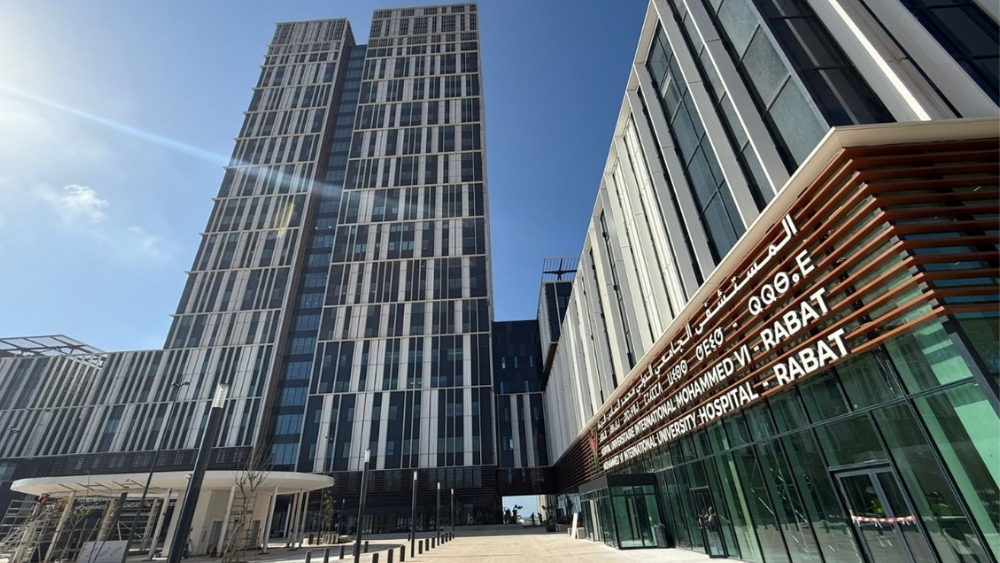
The group, listed on the Casablanca Stock Exchange since 2022, describes itself as Morocco’s private healthcare leader, with 41 healthcare facilities across key cities and more than 20% of the country’s private healthcare capacity. (Akdital)
This matters for expats and corporate relocation clients.
A listed healthcare operator creates more institutional visibility than fragmented clinic access. It can offer scale, capital investment, specialised facilities and a clearer service infrastructure for patients who require predictable private care.
CIM Santé is another important private network.
Founded in 1994, the group is present in several cities including Marrakech, Settat, Bouskoura, Casablanca and Tangier, with specialised facilities such as the heart and vascular centre in Rabat and the international clinic in Marrakech. (CIM Santé)
For foreign residents, this institutionalisation is reassuring.
It does not remove the need for insurance or due diligence.
But it means Morocco’s private healthcare market is becoming more organised, more visible and more relevant for international residents.
Private Care as Relocation Infrastructure
Private healthcare is often the preferred path for expats in Morocco.
The reasons are practical.
Private clinics can offer faster appointments, more direct specialist access, stronger service flows and better administrative responsiveness than many public-system pathways.
In cities such as Casablanca, Rabat, Marrakech, Tangier and Agadir, foreign residents are likely to interact mainly with private clinics, private doctors, laboratories, imaging centres and specialist networks.
But quality varies.
Language capacity varies.
Insurance acceptance varies.
Emergency readiness varies.
That is why private care should be treated as part of relocation infrastructure.
A serious expat move should include a medical map before arrival: nearest private hospital, preferred doctor, emergency facility, specialist network, accepted insurance and backup arrangements in a larger city.
For high-net-worth families, executives and retirees, this is not optional.
It is part of asset and life-risk management.
The Out-of-Pocket Risk: Routine Care Is Cheap, Acute Care Is Not
Morocco’s private healthcare system can appear highly affordable for routine care.
An outpatient consultation with a private specialist in Casablanca, Rabat or Marrakech can often sit in the range of MAD 300 to MAD 600, roughly €30 to €60, depending on the doctor, speciality and facility.
For many European or Gulf-based residents, that appears inexpensive.
But the financial risk profile changes sharply in acute medical scenarios.
Complex surgery, cardiovascular procedures, multi-day hospitalisation, intensive care, advanced imaging or emergency intervention can quickly push costs into the MAD 100,000 to MAD 300,000 range, roughly €10,000 to €30,000.
That is the key asymmetry.
Routine care may be affordable.
Serious care requires underwriting.
Private clinics may require proof of coverage, insurer guarantee letters or upfront payment before admission or surgery. In French-speaking insurance and clinic administration, this direct-billing or guarantee process is often referred to as prise en charge.
For expats, the practical lesson is clear.
Living without insurance because routine care feels affordable is a false economy.
Health insurance is not a lifestyle add-on.
It is capital protection.
Insurance Architecture: The Three-Tier Market
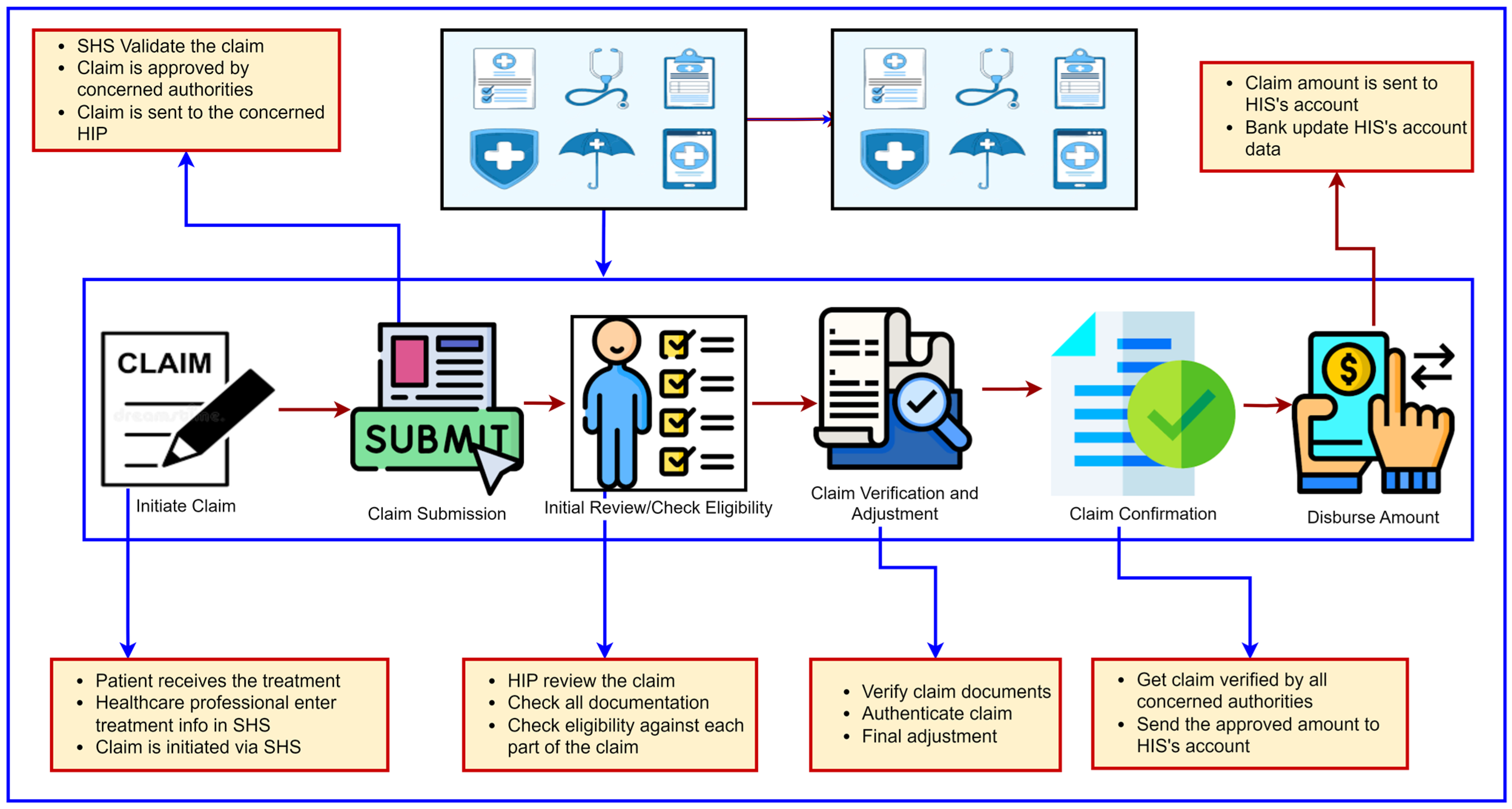
Foreign residents should not think of insurance only as “local” or “international.”
The market is better understood through three technical layers.
1. IPMI — International Private Medical Insurance
International Private Medical Insurance, or IPMI, is the premium cross-border category.
Providers such as Cigna Global, Bupa Global, Allianz Worldwide Care and similar international insurers typically offer higher coverage limits, broader geographical portability and access to treatment outside Morocco.
This tier is often most relevant for:
senior executives
high-net-worth families
retirees with complex health needs
business owners travelling frequently
families who want treatment options in Europe or the Gulf
The advantage is global flexibility.
The downside is cost.
IPMI policies can be significantly more expensive than domestic coverage, especially for older residents, families or people with pre-existing conditions.
2. Local Tier-1 Private Insurance
Local Moroccan insurers can offer more affordable private coverage for residents who expect most of their care to happen inside Morocco.
Major insurers such as AXA Assurance Maroc and Sanlam Maroc are part of the domestic private-insurance landscape.
For many expats, a strong local policy can work well if it has good clinic access, clear reimbursement terms and direct-billing arrangements with private facilities.
The key issue is network quality.
A policy is only as useful as the clinics, specialists and hospitals it actually covers.
3. Expat-Specific Bridge Coverage
Some foreign nationals have access to specialised frameworks.
French nationals, for example, may use the CFE — Caisse des Français de l’Étranger — as a social-security bridge, often combined with a private top-up policy, or mutuelle complémentaire.
This can be useful for French citizens and families who want continuity between the French system and private care abroad.
But the structure must be understood clearly.
CFE is not the same as full private international insurance.
Many residents still need complementary coverage to manage private-care gaps, faster access or higher reimbursement levels.
What the Policy Must Actually Cover
The price of insurance matters.
But coverage architecture matters more.
Expats should evaluate policies based on practical exposure, not just monthly premium.
The most important items to check are:
hospitalisation
surgery
private ICU
emergency care
specialist consultations
diagnostics and imaging
cancer care
cardiology
maternity where relevant
chronic-condition management
pre-existing conditions
dental and optical
medical evacuation
direct billing / prise en charge
reimbursement speed
accepted clinic network
The most dangerous policy is not the expensive one.
It is the cheap one that fails during a serious event.
The City-by-City Healthcare Map
Healthcare access in Morocco is city-dependent.
Casablanca offers the broadest private healthcare ecosystem, including major clinics, specialist centres, laboratories and advanced medical services.
Rabat provides strong access to private care and is particularly relevant for diplomats, families, senior professionals and long-term residents.
Marrakech has a developed private-care market serving local residents, expats, tourists and international patients.
Tangier’s healthcare ecosystem is improving as the city’s population, investment profile and international relevance grow.
Agadir offers a more relaxed lifestyle and lower cost base, but residents with complex medical needs should assess specialist availability and emergency pathways carefully.
For smaller cities and rural areas, planning becomes more important.
Lifestyle appeal should not be separated from medical access.
A beautiful location is not always the best location for someone with chronic health risks, advanced age or specialist-care needs.
Corporate Relocation and Executive Risk
For companies relocating staff to Morocco, healthcare is part of corporate risk management.
A multinational moving executives, engineers or senior managers into Casablanca, Rabat, Tangier or Marrakech needs more than housing and schooling support.
It needs medical continuity.
That includes:
employee insurance
family coverage
emergency response planning
clinic network mapping
medical evacuation rules
occupational health support
mental health coverage
maternity and paediatric care
chronic-condition management
A relocation package that ignores healthcare is incomplete.
For corporate HR teams, the question is not only whether Morocco is attractive.
It is whether the employee and family risk profile is properly covered.
This is where premium insurance brokers, private clinics and relocation advisers can become critical partners.
Retirees and Long-Stay Residents
Retirees face a different healthcare profile.
They may not need the same corporate mobility as executives, but they often need stronger continuity of care.
Key issues include:
cardiology
diabetes management
medication continuity
routine blood work
emergency response
orthopaedics
ophthalmology
cancer screening
access to specialists
For retirees, city choice matters.
A lower-cost coastal city may be attractive, but medical access should be assessed realistically.
The ideal retirement location is not only affordable and pleasant.
It must also be medically resilient.
Medical Tourism Is Not Long-Term Healthcare Planning
Morocco is becoming more visible in medical tourism, premium wellness and private care.
Marrakech, Casablanca and Rabat increasingly serve a mix of local high-income patients, diaspora visitors, medical tourists and foreign residents.
This creates opportunities for private clinics, insurance providers and healthcare-service companies.
But medical tourism should not be confused with long-term healthcare planning.
A visitor booking a procedure has different needs from an expat building a life in Morocco.
Long-term residents need continuity: routine care, specialist access, insurance clarity, emergency planning and medical records.
One successful procedure does not equal a healthcare system.
A durable medical pathway does.
MMO Expat Healthcare Risk Matrix: 2026
Institutional care
Q2 2026 market signal: rapid expansion of listed healthcare operators such as Akdital and corporate private networks such as CIM Santé.
Institutional test: geographic depth of direct-billing, specialist coverage and emergency readiness across major cities.
Insurance architecture
Q2 2026 market signal: growing need for high-limit IPMI, local Tier-1 policies and expat bridge frameworks such as CFE.
Institutional test: exclusions for pre-existing conditions, emergency evacuation terms and speed of insurer guarantee letters.
Regional ecosystems
Q2 2026 market signal: tertiary specialists and advanced private care remain concentrated in Casablanca and Rabat, with improving ecosystems in Marrakech and Tangier.
Institutional test: whether lifestyle cities match the resident’s long-term medical risk profile.
Financial de-risking
Q2 2026 market signal: routine care can remain affordable, but acute private-care exposure can cross MAD 100,000quickly.
Institutional test: maintaining enough cash liquidity to handle deposits or upfront clinic requirements before insurer approval.
Corporate relocation
Q2 2026 market signal: healthcare is becoming a core due-diligence item for executive relocation to Morocco.
Institutional test: whether employers provide coverage that includes family members, emergency care, evacuation and serious illness.
What Expats Should Do Before Arrival
Foreign residents should build a healthcare pathway before relocating.
At minimum, they should identify:
preferred private clinic
general doctor
specialist options
nearest emergency facility
accepted insurance network
direct-billing rules
pharmacy access
laboratory and imaging centre
medical-record translation
backup hospital in Casablanca or Rabat
Families should check paediatrics, maternity, dental care and vaccination records.
Retirees should review chronic-condition support, medication supply and emergency planning.
Executives should ensure employer coverage is valid inside Morocco and not only in the home country.
Healthcare planning should happen before arrival, not after the first medical event.
Final Outlook
Morocco can offer an attractive lifestyle for expats, retirees, executives, remote workers and long-stay residents.
But healthcare must be approached professionally.
The private-care sector is becoming more institutional, with listed operators and multi-city clinic networks expanding access. Routine care can be affordable by international standards. But serious medical events can create significant capital exposure without proper insurance.
For foreign residents, the right strategy is not to rely on low day-to-day costs.
It is to build a healthcare structure: private clinic access, insurance coverage, direct-billing clarity, emergency planning and enough liquidity to manage urgent treatment.
In Morocco, healthcare is not a reason to avoid relocation.
It is a reason to relocate intelligently.