

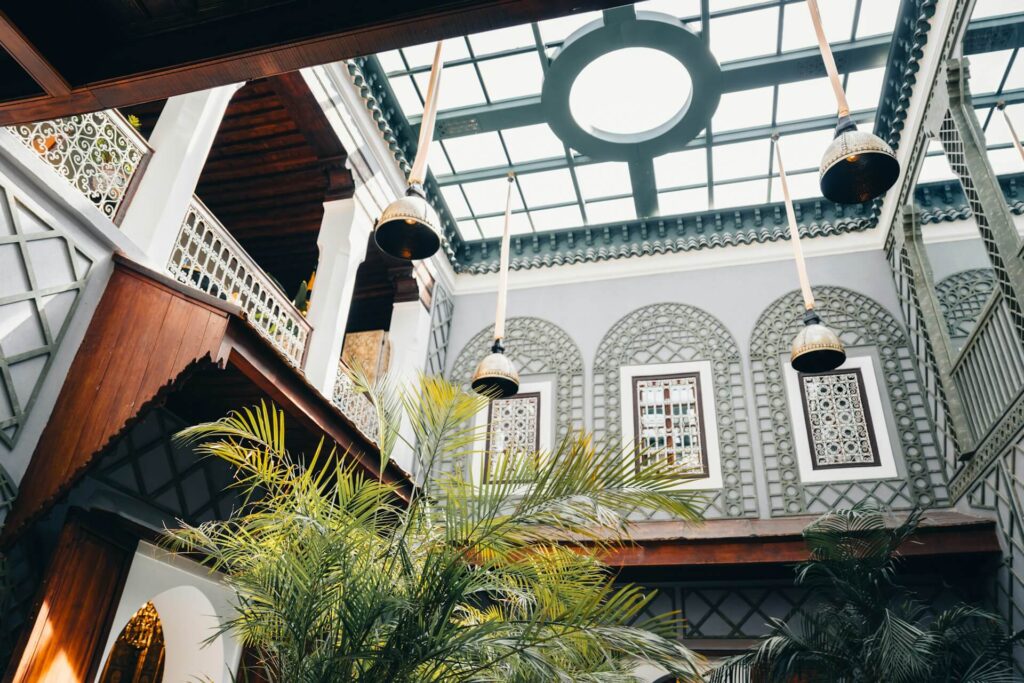
Morocco is becoming an increasingly attractive place to live for expats, remote workers, retirees, entrepreneurs and long-stay residents.
The appeal is clear: proximity to Europe, a lower cost base than many Western markets, strong cultural identity, improving infrastructure, diverse cities and a lifestyle that can range from business-driven to coastal and relaxed.
But the question “Where is the best place to live in Morocco?” has no single answer.
Casablanca, Rabat, Marrakech, Tangier and Agadir each offer a different version of Moroccan life. The right choice depends on income, family situation, work, schooling, healthcare needs, language ability and lifestyle expectations.
In 2026, choosing the right city in Morocco is less about popularity and more about fit.
Morocco Is Not One Lifestyle Market
One of the biggest mistakes newcomers make is comparing Moroccan cities as if they are variations of the same experience.
They are not.
Casablanca is a business market. Rabat is a stability market. Marrakech is a lifestyle and tourism market. Tangier is a rising international market. Agadir is a coastal value market.
Each city has a different cost structure, housing profile, transport reality, social rhythm and opportunity base.
That means the “best” place to live in Morocco depends on what someone needs most:
- career access
- family stability
- lower living costs
- international schools
- healthcare access
- remote-work quality
- coastal lifestyle
- investment upside
The strongest decision starts with priorities, not reputation.
Casablanca — The Business and Career Market
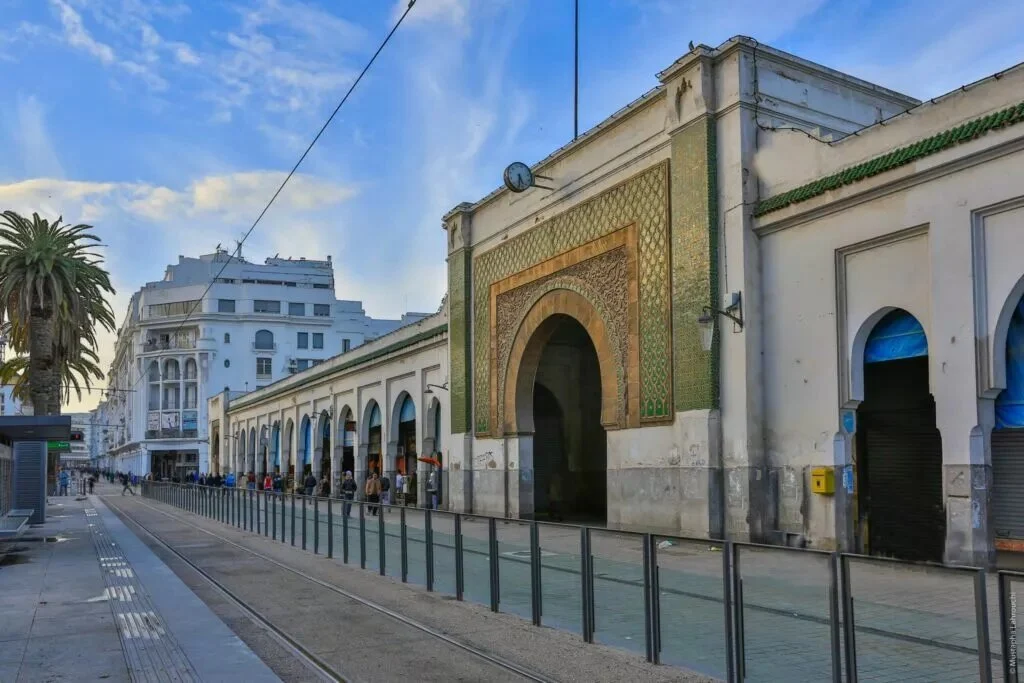
Casablanca is Morocco’s largest city and its main economic engine.
It is the country’s strongest market for business, employment, corporate services, finance, entrepreneurship and professional networking. For people who want to build a career, launch a company or access Morocco’s private-sector economy, Casablanca remains the most important city.
But Casablanca also comes with trade-offs.
It is more expensive, more congested and more intense than most other Moroccan cities. Housing in good neighbourhoods can be costly, commuting can be difficult and the pace of life can feel demanding.
Best for: professionals, entrepreneurs, executives and career-focused expats.
Main advantage: strongest business and job market in Morocco.
Main challenge: higher costs, traffic and urban pressure.
Lifestyle profile: fast-paced, commercial, opportunity-driven.
Housing note: better areas can be expensive, especially for modern apartments with parking, security and easy access to business districts.
Investor read: Casablanca is Morocco’s deepest urban market, but not necessarily the easiest place to find undervalued property.
Rabat — The Stability and Family Market
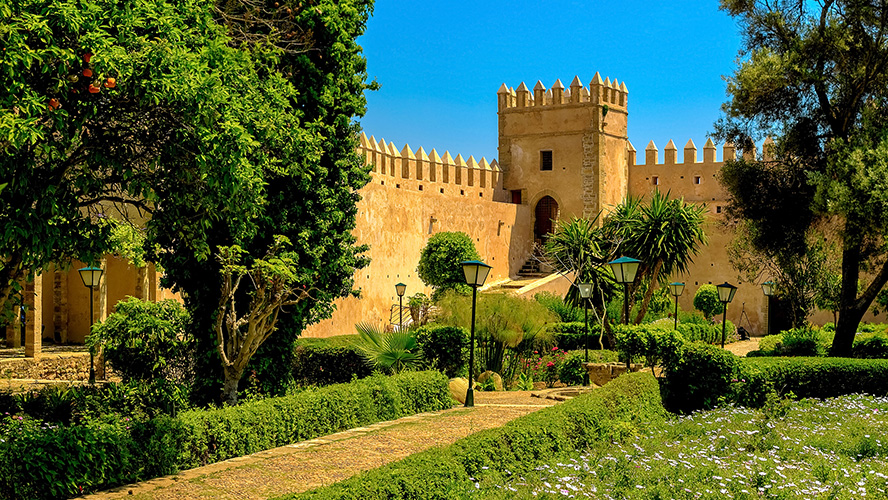
Rabat offers one of Morocco’s most balanced living environments.
As the capital, it is more structured and calmer than Casablanca, with strong appeal for families, diplomats, professionals, institutional workers and long-term residents.
The city is often seen as cleaner, more organised and easier to manage for daily life. It has access to schools, embassies, administration, private healthcare and residential neighbourhoods that suit families.
The trade-off is that Rabat has fewer private-sector opportunities than Casablanca and can be expensive in prime areas.
Best for: families, diplomats, professionals and long-term residents.
Main advantage: stability, comfort and quality of life.
Main challenge: fewer major business opportunities and higher housing costs in desirable districts.
Lifestyle profile: calm, residential, structured and family-oriented.
Housing note: neighbourhood selection matters, especially for families who need proximity to schools and services.
Investor read: Rabat is a defensive lifestyle market. It is more about stability than aggressive upside.
Marrakech — The Lifestyle and Tourism Market
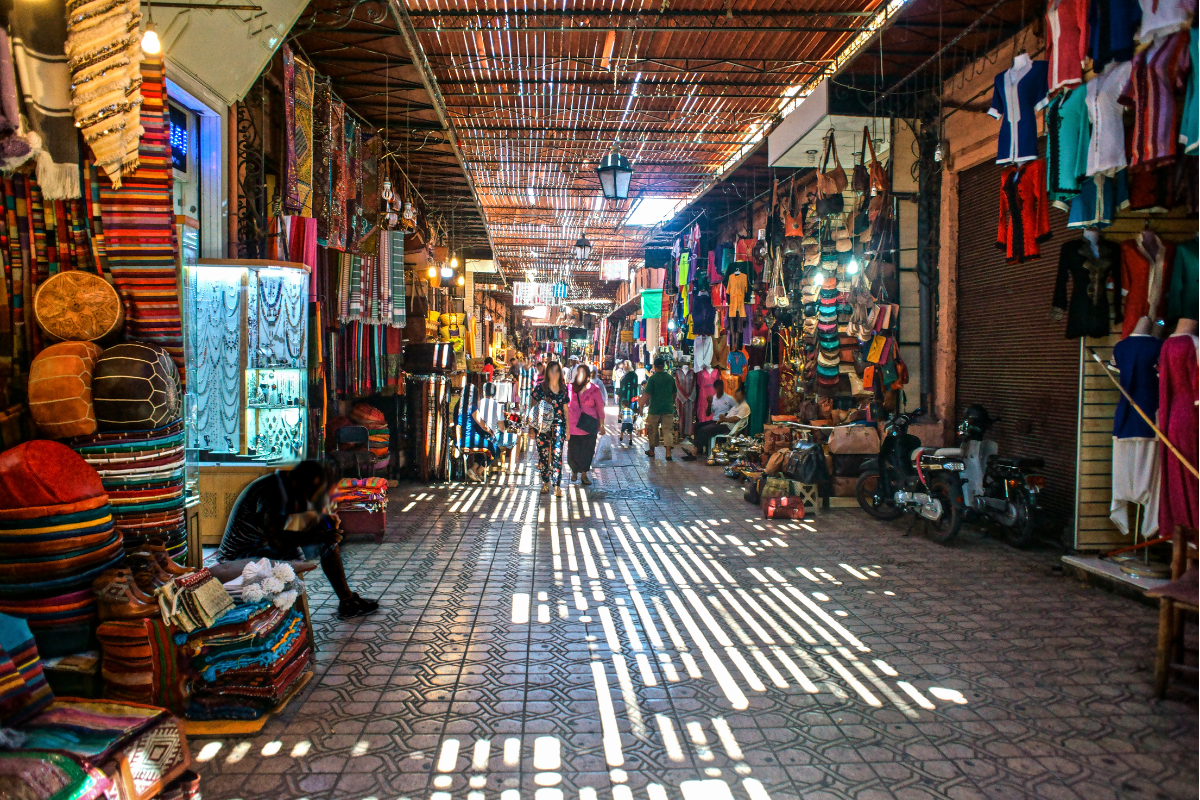
Marrakech is Morocco’s most internationally recognisable lifestyle city.
It attracts remote workers, second-home buyers, hospitality entrepreneurs, creatives, retirees and international residents drawn by climate, architecture, culture and tourism energy.
The city offers a strong lifestyle proposition: cafés, restaurants, riads, villas, cultural life and access to international visitors.
But Marrakech is also a market where expectations must be managed.
Tourism influences prices, especially in popular districts, furnished rentals, short-term stays, riads and premium lifestyle services. The city can feel affordable in local neighbourhoods and expensive in international-facing areas.
Best for: lifestyle seekers, remote workers, creatives, hospitality operators and second-home buyers.
Main advantage: culture, climate, tourism appeal and international visibility.
Main challenge: tourism pricing, seasonality and micro-location risk.
Lifestyle profile: cultural, social, warm, creative and tourism-driven.
Housing note: the gap between local housing and premium lifestyle property can be significant.
Investor read: Marrakech can offer strong returns, but only with disciplined location selection and professional property management.
Tangier — The Rising International Market
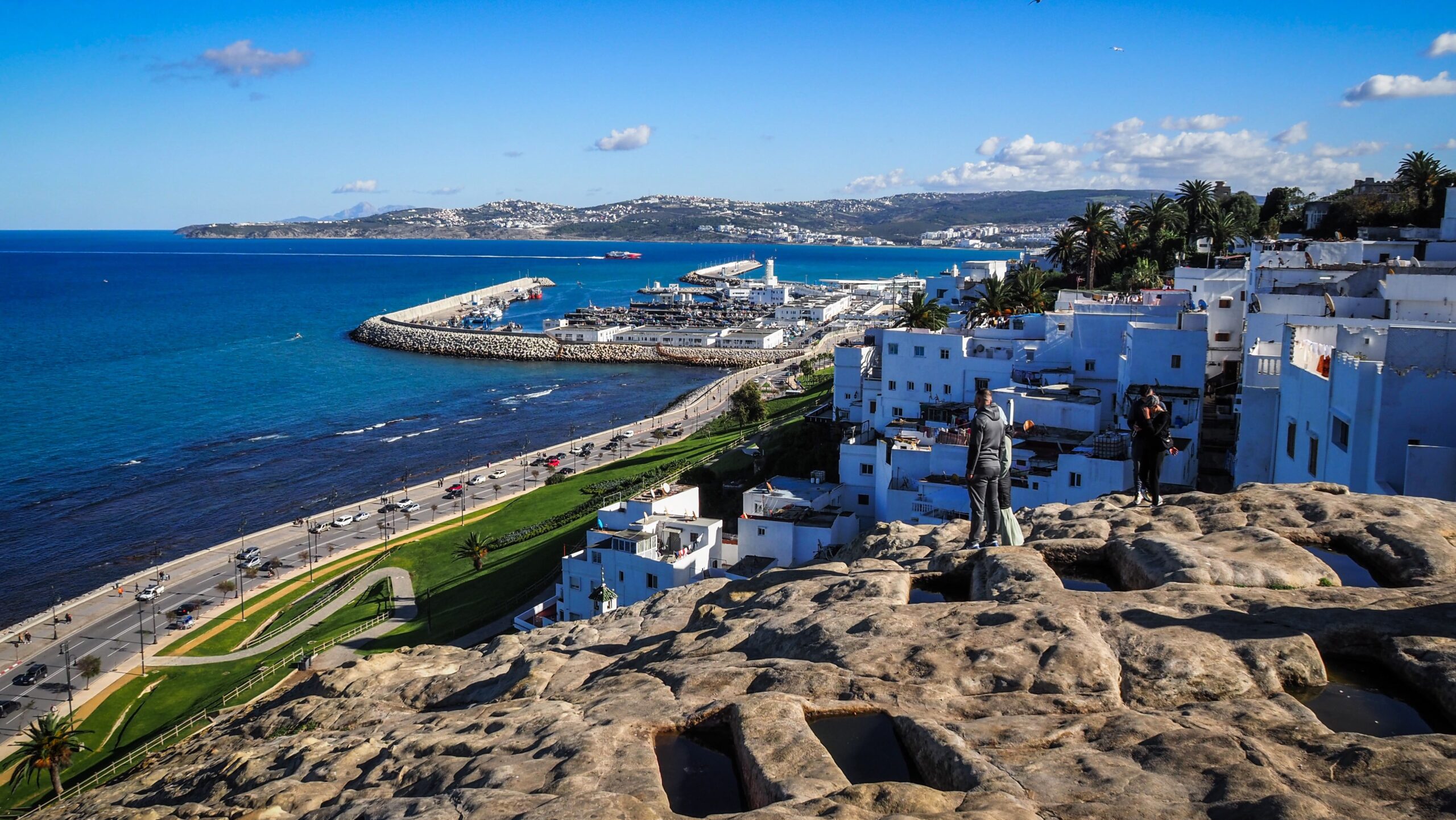
Tangier has become one of Morocco’s most interesting cities for expats and long-term residents.
Its appeal comes from a combination of coastal lifestyle, proximity to Europe, improved infrastructure, growing international interest and the wider economic development of northern Morocco.
Tangier is less intense than Casablanca, more dynamic than Agadir and more internationally connected than many smaller cities.
It is attractive for remote workers, investors, diaspora families, Europe-linked households and residents who want a city with momentum.
But growth brings pricing pressure.
Better neighbourhoods, coastal areas and modern apartments are becoming more competitive. Service quality can also vary, and the city’s rapid development means not every area offers the same standard of daily life.
Best for: remote workers, investors, international professionals, diaspora families and Europe-connected residents.
Main advantage: connectivity, growth momentum and balanced lifestyle.
Main challenge: rising rents in premium areas and uneven service quality.
Lifestyle profile: international, coastal, growing and connected.
Housing note: project and neighbourhood selection matter more as the city grows.
Investor read: Tangier offers one of Morocco’s strongest lifestyle-growth stories, but entry price discipline is increasingly important.
Agadir — The Coastal Value Market
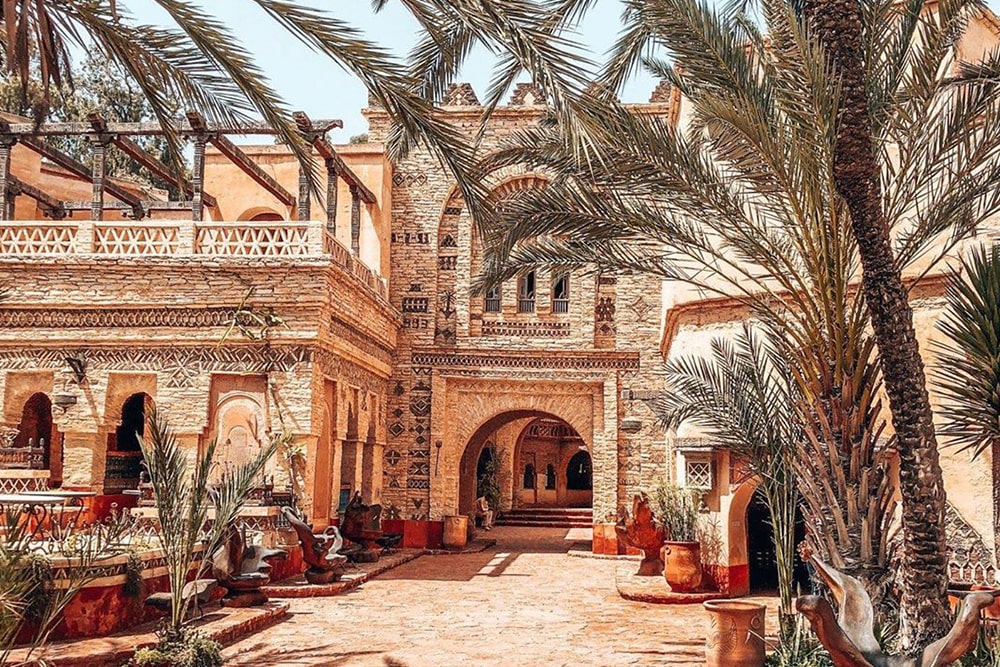
Agadir offers one of Morocco’s most relaxed city lifestyles.
It is known for its coastline, milder rhythm, beach access and more affordable cost base compared with Casablanca, Rabat or prime Marrakech.
For retirees, remote workers and long-stay residents seeking a quieter lifestyle, Agadir can be one of the most comfortable options.
The trade-off is opportunity depth.
Agadir has fewer corporate jobs, less business density and a smaller high-end services ecosystem than Casablanca, Rabat or Marrakech. It works best for people whose income is remote, retirement-based or not dependent on the local job market.
Best for: retirees, remote workers, lifestyle-focused residents and long-stay visitors.
Main advantage: coastal living, affordability and slower pace.
Main challenge: fewer professional opportunities and less service depth.
Lifestyle profile: relaxed, coastal, low-pressure and lifestyle-driven.
Housing note: affordability is attractive, but year-round location and service access should be checked carefully.
Investor read: Agadir can offer value, but liquidity and demand may be more seasonal than in larger cities.
Best City by Lifestyle Profile
The best place to live in Morocco depends on the resident profile.
- For career and business: Casablanca.
- For families and stability: Rabat.
- For lifestyle and culture: Marrakech.
- For growth, connectivity and international access: Tangier.
- For coastal affordability and retirement: Agadir.
For remote workers: Tangier, Marrakech and Agadir are often the most attractive, depending on budget and lifestyle.
For investors: Casablanca offers liquidity, Rabat offers stability, Marrakech offers tourism exposure, Tangier offers growth momentum and Agadir offers lifestyle value.
There is no single winner.
There is only the city that matches the purpose.
Cost Differences Between Cities
Cost of living varies significantly between Moroccan cities.
Casablanca is usually the most expensive for business-oriented expat living, especially when housing, transport and premium services are included.
Rabat can also be expensive in prime residential districts, particularly for families needing access to schools and services.
Marrakech depends heavily on lifestyle. Local living can be moderate, but tourism-facing areas can be costly.
Tangier remains competitive compared with Casablanca and Rabat, but prices are rising in better areas.
Agadir is generally more affordable, especially for residents who do not need high-end services or local career opportunities.
The cost question is not only “which city is cheaper?”
The better question is: “Which city delivers the lifestyle required at the most sustainable cost?”
MMO City Selection Dashboard: 2026
Casablanca
Best fit: career, business, entrepreneurship and corporate networks.
Main upside: strongest private-sector opportunity base.
Main risk: high cost, congestion and daily pressure.
Decision test: does income justify the higher cost of living?
Rabat
Best fit: families, diplomats, professionals and long-term residents.
Main upside: stability, services and quality of life.
Main risk: expensive prime housing and fewer private-sector opportunities.
Decision test: is stability more important than business upside?
Marrakech
Best fit: lifestyle residents, remote workers, creatives and hospitality investors.
Main upside: international visibility, culture and tourism economy.
Main risk: tourism-driven pricing and seasonality.
Decision test: is the lifestyle sustainable outside peak tourism periods?
Tangier
Best fit: remote workers, investors, diaspora families and Europe-linked residents.
Main upside: connectivity, growth and balanced urban-coastal living.
Main risk: rising rents and uneven quality across neighbourhoods.
Decision test: is the neighbourhood supported by real services and long-term demand?
Agadir
Best fit: retirees, remote workers and coastal lifestyle residents.
Main upside: affordability, beaches and slower pace.
Main risk: limited professional opportunities and seasonal demand.
Decision test: can daily life work comfortably year-round?
What to Check Before Choosing a City
Before deciding where to live in Morocco, newcomers should assess several practical factors.
Income source. Is income local, remote, foreign-currency based or retirement-based?
Housing needs. Is the priority affordability, space, security, modern quality or proximity to schools?
Schooling. Are private or international schools required?
Healthcare. Is there access to suitable private clinics and specialists?
Transport. Is a car necessary, or can daily life be managed through taxis, trams, trains or walking?
Language. Will French, Darija or English be enough for daily life in that city?
Lifestyle rhythm. Does the resident prefer business intensity, family stability, tourism energy, growth momentum or coastal calm?
Exit flexibility. If buying property, is there a realistic resale or rental market?
Choosing well means matching the city to the life someone actually plans to live.
Final Perspective
Morocco offers a wide range of living environments, from corporate Casablanca to institutional Rabat, lifestyle-driven Marrakech, fast-rising Tangier and relaxed coastal Agadir.
That variety is one of the country’s greatest strengths.
But it also means that choosing the right city requires discipline.
The best place to live in Morocco is not the most famous city, the cheapest city or the fastest-growing city.
It is the city that aligns with income, family needs, work, lifestyle, healthcare, schooling and long-term plans.
Morocco offers the choice. The city determines the experience.
That is the real rule for living in Morocco in 2026.