

Morocco remains one of the more affordable lifestyle markets for expats, remote workers and long-stay residents compared with Western Europe and the Gulf. But in 2026, the country is no longer a simple “low-cost destination” story.
The cost of living in Morocco has become increasingly city-specific and lifestyle-dependent.
A resident living in Agadir with local spending habits will experience a very different Morocco from a family renting in Rabat, a remote worker in Marrakech, or an executive relocating to Casablanca.
That distinction matters.
Morocco can still offer strong value for money. But the real question is not whether Morocco is cheap. It is which version of Morocco a newcomer is choosing to live in.
Morocco Is Affordable — But Not Uniformly Cheap
Morocco’s cost advantage remains real.
Compared with many Western European cities, everyday costs such as local food, cafés, taxis, basic services and domestic travel can be significantly lower. Cost-of-living databases continue to place Moroccan cities below major European and Gulf urban centres, with city-level differences between Casablanca, Rabat, Tangier, Marrakech and Agadir. (numbeo.com)
But affordability depends heavily on lifestyle.
The biggest cost gap is between a local lifestyle and an imported lifestyle.
Local markets, Moroccan products, standard apartments, public transport and neighbourhood cafés can keep monthly costs moderate. International schools, imported groceries, premium gyms, private healthcare, prime-area rentals and car ownership can push costs sharply higher.
For expats, Morocco is affordable when expectations are aligned with the local cost structure.
It becomes expensive when residents try to replicate a European or Gulf lifestyle in Morocco’s prime districts.
The Monthly Budget Range
A realistic monthly budget in Morocco depends on city, housing standard and family structure.
For 2026, broad expat-oriented ranges are:
Single person: approximately €800 to €1,700 per month.
Couple: approximately €1,400 to €2,800 per month.
Family: approximately €2,500 to €5,000+ per month, especially when private schooling, larger housing and healthcare are included.
These figures are not fixed benchmarks. They are lifestyle bands.
A single remote worker in Tangier or Agadir may live comfortably at the lower end. A family in Rabat or Casablanca with international schooling and a car can easily move toward the upper end.
The cost of living in Morocco is therefore less about the national average and more about the spending model.
Housing Is the Main Cost Divider
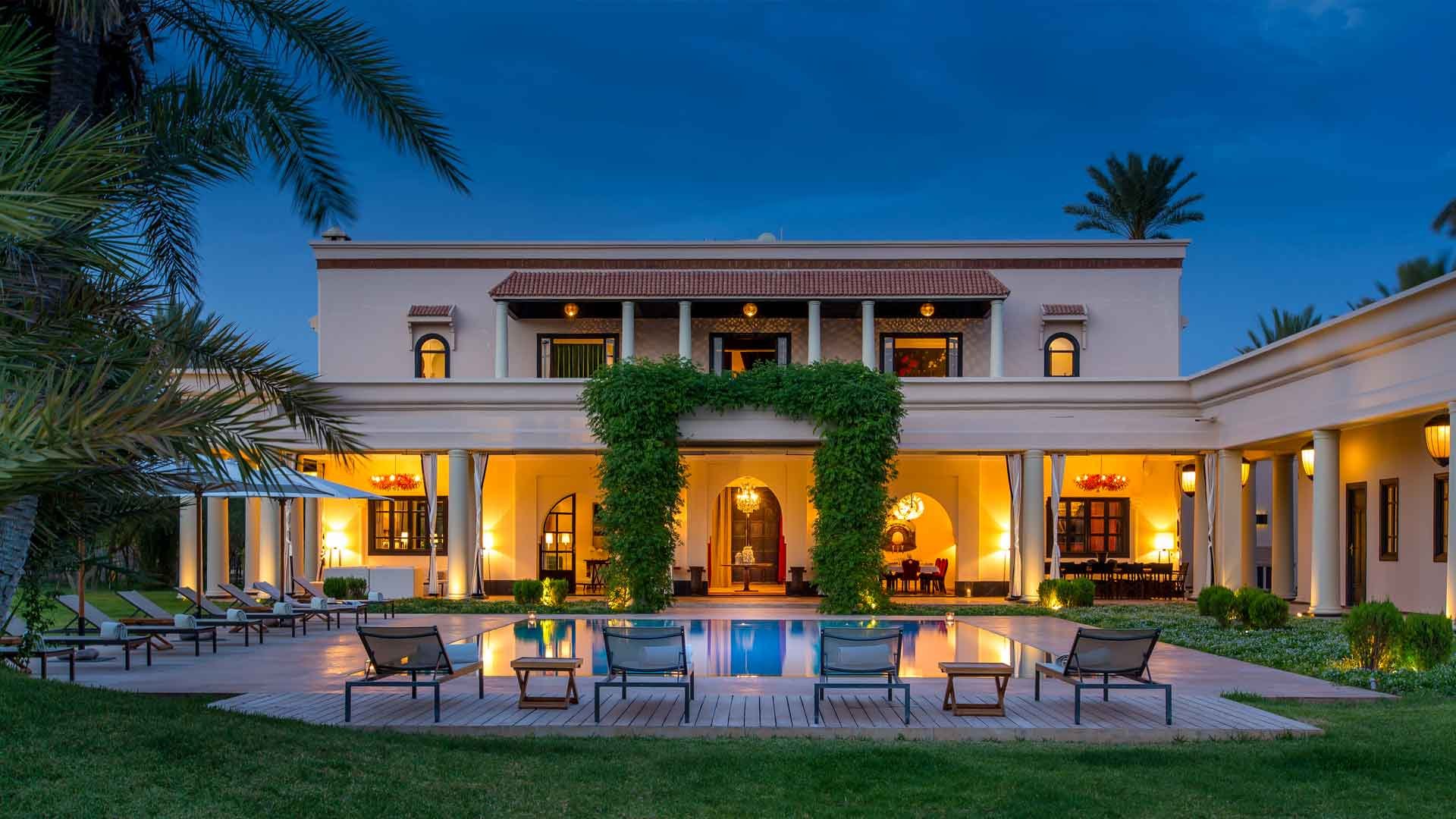
Housing is usually the largest monthly expense.
It is also the category where expats most often underestimate the gap between local and international standards.
Modern apartments in prime areas of Casablanca, Rabat, Marrakech and Tangier can cost significantly more than older units or properties outside central districts. Short-term rentals and furnished apartments also carry a premium, especially in tourist-driven or business-heavy locations.
Broad monthly rent ranges for expat-standard housing are:
- Casablanca and Rabat prime areas: around €700 to €1,800+.
- Marrakech: around €500 to €1,500+, depending heavily on district, furnishing and tourism exposure.
- Tangier: around €500 to €1,200+, with rising pressure in better coastal or central areas.
- Agadir and smaller cities: around €350 to €900+, depending on location and housing quality.
Local-market rentals can be cheaper, but newcomers often pay more because they prioritise modern finishes, security, parking, furnished units or proximity to international schools and services.
Housing is where Morocco’s affordability advantage can narrow quickly.
Food: Local Markets vs Imported Consumption
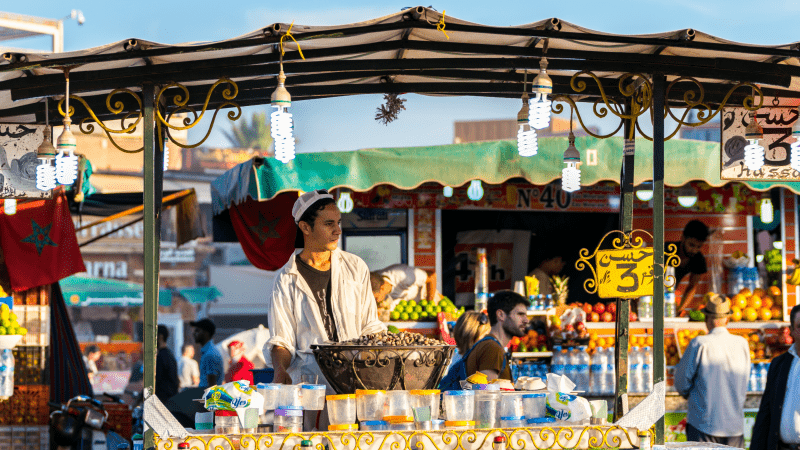
Food costs in Morocco can be highly manageable if residents buy locally.
Fresh produce, bread, eggs, seasonal fruit, vegetables, fish, meat and basic groceries from local markets can remain affordable compared with Europe.
The cost profile changes when households rely heavily on imported products.
Imported cheese, cereals, packaged foods, specialty health items, premium coffee, foreign brands and certain supermarket goods can be noticeably expensive relative to local incomes.
Eating out follows the same pattern.
A simple local meal may cost only a few euros. A mid-range restaurant in a major city can still be affordable by European standards. But high-end restaurants, international cafés and tourist-heavy areas can approach pricing levels that surprise newcomers.
In Morocco, the food budget is determined less by appetite and more by sourcing.
Transport: Affordable Daily Mobility, Higher Car Costs
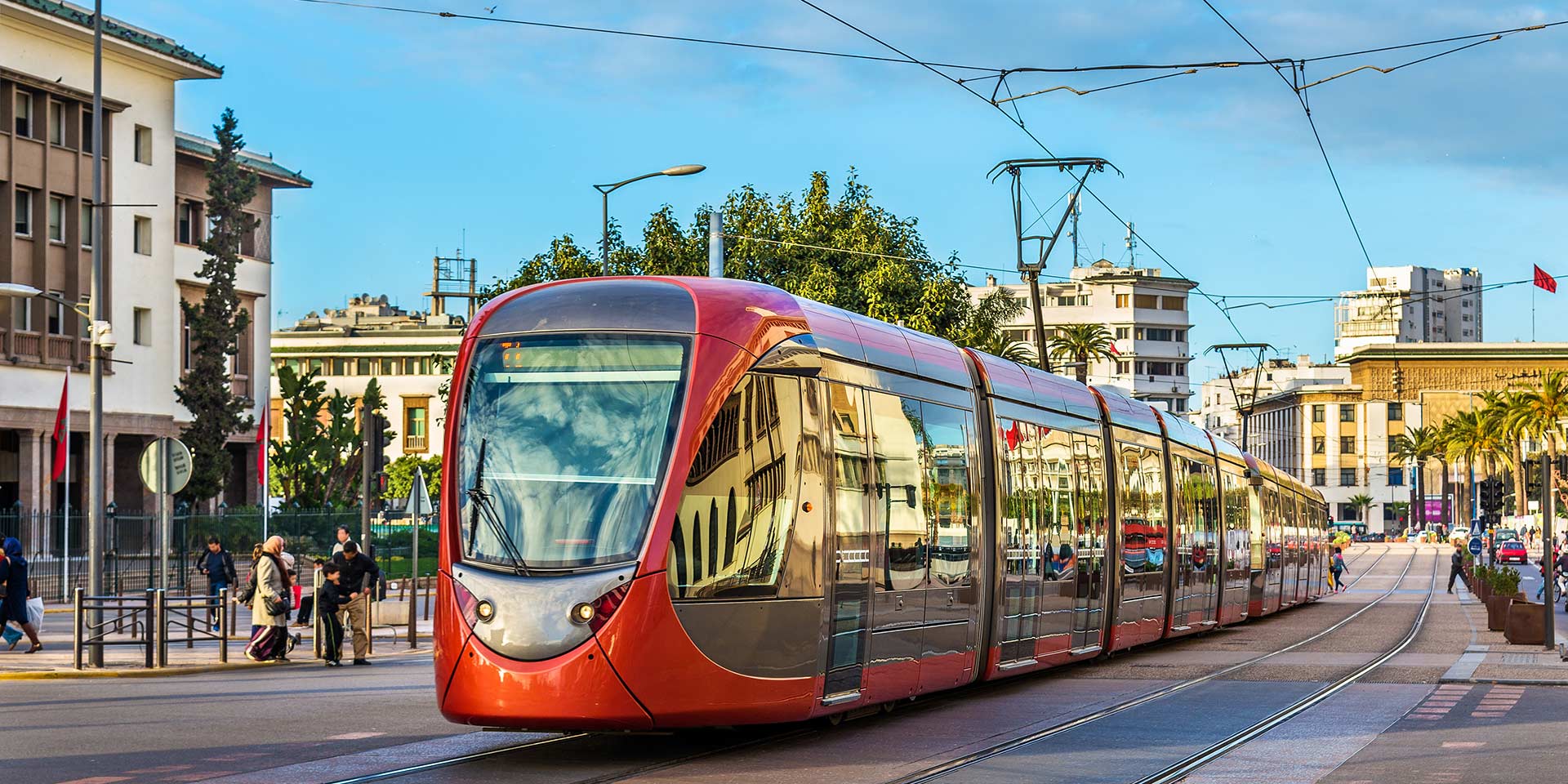
Daily mobility in Morocco can be affordable.
Taxis, trams, buses and trains provide relatively low-cost options, depending on the city. Casablanca and Rabat benefit from stronger urban transport infrastructure, while Tangier and Marrakech rely more heavily on taxis and private vehicles for many residents.
For intercity travel, Morocco’s rail system, including the high-speed Al Boraq connection between Tangier and Casablanca, adds convenience for residents who move between major cities.
Car ownership changes the cost profile.
Fuel, insurance, maintenance, parking, traffic and vehicle prices can make private transport a larger expense than newcomers expect. Imported vehicles and newer cars can be expensive compared with local salaries.
For many expats, the transport decision is not only financial.
It depends on city layout, family needs, school location and daily commuting patterns.
Utilities, Internet and Climate Costs
Utilities are usually manageable, but they vary by season and property type.
Electricity, water and basic utilities can remain moderate in smaller apartments. Larger villas, air conditioning, electric heating, swimming pools or heavy summer cooling can push costs significantly higher.
Internet is widely available in major cities and is generally affordable by international standards, with fibre coverage improving in many urban areas.
A typical monthly utilities and internet range might be:
Basic utilities: around €50 to €180, depending on property size and usage.
Internet: around €20 to €50.
The key variable is climate control.
A poorly insulated villa or heavy air-conditioning use can change the monthly budget quickly.
Healthcare and Insurance
Healthcare is another category where lifestyle and expectations matter.
Public healthcare exists, but many expats and higher-income residents rely on private clinics, especially in Casablanca, Rabat, Marrakech and Tangier.
Private consultations and routine care can be relatively affordable compared with Europe or the Gulf. But serious medical needs, specialist care, surgery or international-standard treatment can become costly without insurance.
For long-stay residents, private health insurance is often one of the most important budget items.
The cost depends on age, coverage, exclusions and whether the plan is local or international.
Morocco can be affordable for healthcare, but only if residents plan properly.
Schooling Can Change the Family Budget Completely
For families, education is often the biggest cost after housing — and sometimes the biggest cost overall.
Private schools, French-system schools, international schools and bilingual education can significantly increase monthly spending.
This is why a single person and a family can experience completely different versions of Morocco’s cost of living.
A family with two children in private or international education may need a budget that is multiple times higher than a couple without children living in the same city.
For relocating families, school fees should be calculated before rent, not after it.
School location can also determine housing location, transport needs and daily lifestyle costs.
City-by-City Cost Profile
Morocco’s cost of living is best understood at city level.
Casablanca — The Highest-Cost Business Market
Casablanca is usually the most expensive city for expat-standard living.
The city offers the deepest job market, strongest corporate environment and widest range of services, but housing, commuting and premium lifestyle costs are higher.
Best suited for: executives, professionals, entrepreneurs and business-focused residents.
Cost risk: high rent and transport pressure.
Rabat — Stable, Comfortable and Family-Oriented
Rabat is generally calmer and more organised than Casablanca, with strong appeal for families, diplomats, professionals and long-term residents.
It can be expensive in prime districts, especially near schools, embassies and high-quality residential areas.
Best suited for: families, professionals and residents seeking stability.
Cost risk: schooling and prime-area housing.
Marrakech — Lifestyle Appeal With Tourism Pricing
Marrakech can be affordable or expensive depending on lifestyle.
Local living can remain reasonable, but tourism-driven areas, furnished rentals, restaurants, riads, villas and premium services can carry strong price premiums.
Best suited for: lifestyle residents, remote workers, hospitality operators and second-home buyers.
Cost risk: tourism inflation and short-term rental premiums.
Tangier — Rising, International and Still Competitive
Tangier offers a growing international profile, strong infrastructure links and proximity to Europe.
Costs are rising in better neighbourhoods, especially coastal and central areas, but the city can still offer better value than Casablanca or Rabat for certain lifestyles.
Best suited for: remote workers, investors, international residents and Europe-connected households.
Cost risk: rising rents in premium districts.
Agadir — Coastal Value With a Slower Pace
Agadir remains one of the more affordable lifestyle cities for many long-stay residents.
It offers coastal living, a milder pace and lower pressure than Casablanca, Rabat or Marrakech. However, job opportunities and high-end service depth may be more limited.
Best suited for: retirees, remote workers and lifestyle-focused residents.
Cost risk: limited professional opportunity and seasonal demand.
MMO Cost-of-Living Dashboard: 2026
Housing
Main pressure point: prime-area rentals and furnished apartments.
Cost risk: highest in Casablanca, Rabat and tourism-heavy Marrakech.
Budget test: is the rent based on local market value or expat/tourist pricing?
Food and groceries
Main pressure point: imported products and premium supermarkets.
Cost risk: moderate to high for international lifestyles.
Budget test: can the household rely mostly on local products?
- Transport
Main pressure point: car ownership, fuel, parking and commuting.
Cost risk: higher in Casablanca and spread-out residential areas.
Budget test: is daily life possible without a private car?
- Healthcare
Main pressure point: private clinics and insurance coverage.
Cost risk: high without proper insurance.
Budget test: does the resident have private or international health coverage?
- Schooling
Main pressure point: private and international education.
Cost risk: very high for families.
Budget test: have school fees been calculated before choosing housing?
- Lifestyle
Main pressure point: restaurants, cafés, gyms, travel and imported habits.
Cost risk: depends entirely on behaviour.
Budget test: is the lifestyle local, hybrid or fully international?
Is Morocco Still Affordable in 2026?
Yes — but affordability is increasingly conditional.
Morocco remains affordable for residents who adapt to the local cost structure. It can offer excellent value in housing, food, services and daily life compared with many European markets.
But it is not automatically cheap for everyone.
Expats seeking modern housing in prime districts, private schooling, imported goods, private healthcare and a European-style lifestyle will face a very different cost base.
The gap between local affordability and international lifestyle pricing is the most important point newcomers need to understand.
What This Means for Expats and Long-Stay Residents
Morocco can be a strong lifestyle destination, but budgeting must be city-specific and lifestyle-specific.
Before moving, newcomers should define:
- Which city matches their income and lifestyle.
- Whether they need private schooling or healthcare.
- Whether they can live without a car.
- How much imported consumption they expect.
Whether they are renting short-term, furnished, or long-term local market housing.
Whether their income is local, remote, foreign-currency based or fixed retirement income.
These variables matter more than national averages.
Final Perspective
The cost of living in Morocco in 2026 is best described as flexible.
It can be affordable, moderate or expensive depending on the city, neighbourhood and lifestyle chosen.
For many expats, remote workers and long-stay residents, Morocco still offers strong value compared with Europe and the Gulf.
But the country is no longer a one-dimensional low-cost destination.
Local living preserves affordability. Imported lifestyle choices raise the cost.
That is the rule that defines Morocco’s cost of living in 2026.