

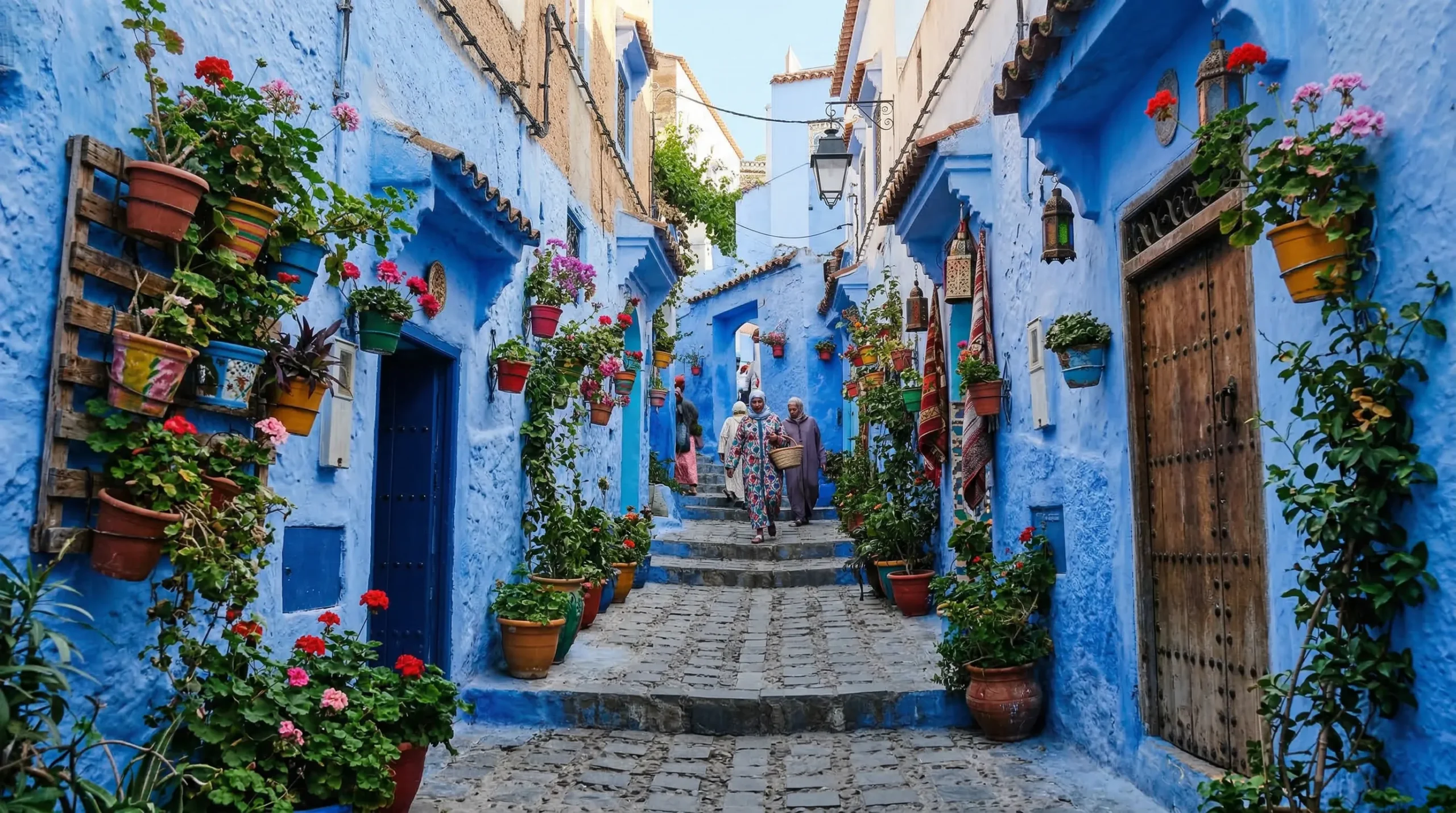
Morocco is becoming an increasingly attractive destination for expats, remote workers, entrepreneurs, retirees and long-stay residents.
The country offers a rare combination: proximity to Europe, a lower cost of living than many Western markets, strong cultural identity, diverse cities, improving infrastructure and a lifestyle that can range from fast-paced and urban to quiet and coastal.
But living in Morocco as an expat in 2026 is not a single experience.
A family in Rabat, a remote worker in Tangier, a retiree in Agadir and an entrepreneur in Casablanca are not living the same Morocco.
That distinction matters.
Morocco can offer an excellent quality of life, but the experience depends heavily on city choice, language ability, housing, healthcare access, administrative patience and cultural adaptation.
The country rewards those who understand how it works in practice.
Why Expats Are Choosing Morocco
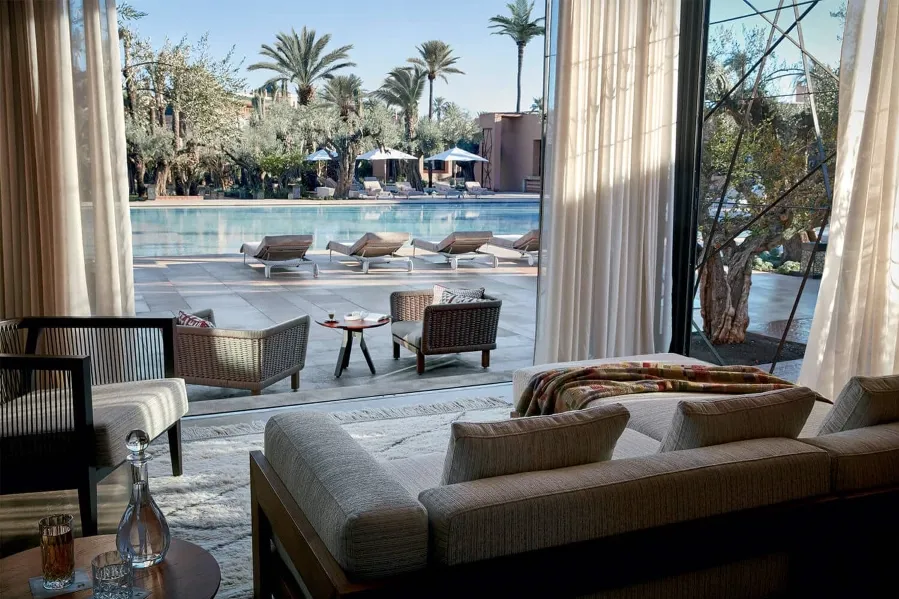
Morocco’s appeal is built on several factors that have become more relevant in 2026.
Cost of living. Morocco remains more affordable than many European and Gulf destinations, especially for residents who adapt to local spending patterns.
Geographic access. The country is close to Europe, well connected by air and increasingly attractive for people who want proximity without European living costs.
Lifestyle diversity. Casablanca, Rabat, Marrakech, Tangier and Agadir offer very different living environments.
Climate and geography. Coastal cities, mountain regions, desert landscapes and historic urban centres create a wide range of lifestyle options.
Cultural depth. Morocco offers a strong sense of identity, tradition, food, architecture and social life.
Remote-work appeal. For foreign-currency earners, Morocco can offer strong value — if housing, internet, banking and residence logistics are properly managed.
The appeal is real.
But expats who succeed in Morocco usually understand that lifestyle quality depends on adaptation, not assumption.
Morocco Is Not One Expat Market
The biggest mistake newcomers make is treating Morocco as one lifestyle market.
It is not.
Each city carries a different cost structure, social rhythm, service depth and opportunity profile.
Casablanca — The Business Market
Casablanca is Morocco’s commercial capital.
It offers the deepest job market, strongest corporate ecosystem, better access to business services and the most international professional environment.
But it is also the most intense city: traffic, higher rents, urban pressure and faster pace.
Best suited for: entrepreneurs, executives, professionals and business-focused expats.
Main advantage: access to opportunity.
Main challenge: cost, congestion and lifestyle pressure.
Rabat — The Stability Market
Rabat offers a calmer and more structured environment.
As the administrative capital, it attracts diplomats, families, professionals, institutional workers and long-term residents. It is often cleaner, quieter and more organised than Casablanca.
Housing in prime districts can be expensive, especially near schools, embassies and services.
Best suited for: families, diplomats, professionals and long-term residents.
Main advantage: stability and quality of life.
Main challenge: limited nightlife and fewer private-sector opportunities than Casablanca.
Marrakech — The Lifestyle Market
Marrakech is one of Morocco’s most internationally visible cities.
It attracts lifestyle expats, hospitality entrepreneurs, creatives, remote workers and second-home owners.
The city can be affordable or expensive depending on where and how someone lives. Tourism-driven areas, riads, villas, furnished rentals and premium restaurants can carry significant price premiums.
Best suited for: lifestyle residents, remote workers, hospitality operators and creatives.
Main advantage: culture, climate and international visibility.
Main challenge: tourism pricing and seasonal demand.
Tangier — The Rising International Market
Tangier has become one of Morocco’s most interesting expat cities.
Its location near Europe, coastal setting, infrastructure links and growing international profile make it attractive for remote workers, investors and diaspora families.
It is less intense than Casablanca but more dynamic than smaller coastal cities.
Best suited for: remote workers, Europe-linked residents, investors and internationally minded families.
Main advantage: connectivity, lifestyle and growth momentum.
Main challenge: rising rents in better areas and uneven service quality.
Agadir — The Coastal Value Market
Agadir offers a slower pace, coastal lifestyle and more relaxed living environment.
It is often attractive for retirees, long-stay visitors, remote workers and people seeking affordability with access to beaches and mild weather.
The trade-off is fewer professional opportunities and less depth in high-end services than Casablanca, Rabat or Marrakech.
Best suited for: retirees, remote workers and lifestyle-focused residents.
Main advantage: affordability and coastal living.
Main challenge: limited career market and seasonal rhythm.
Housing Is the First Practical Test
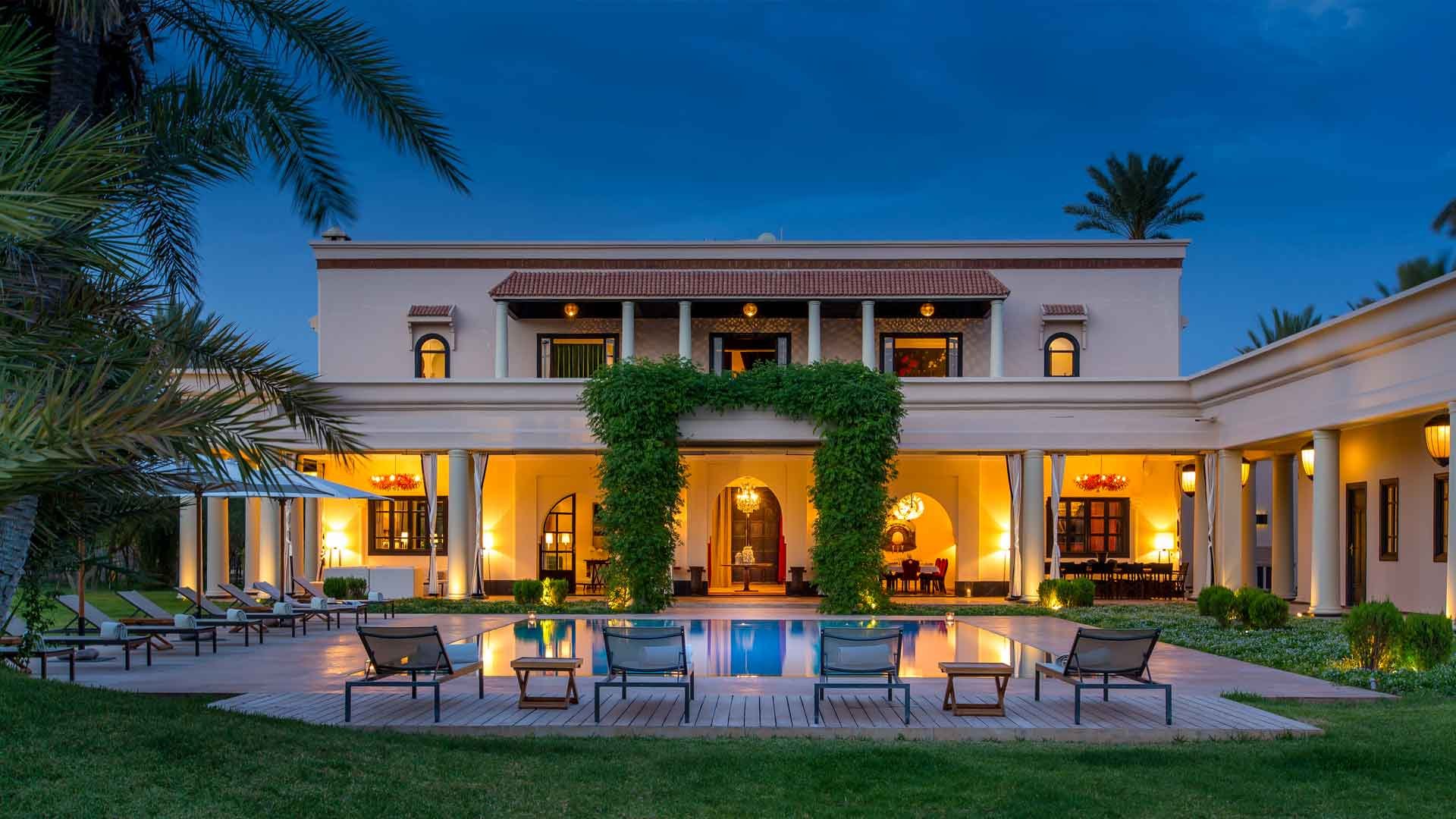
For expats, housing often determines the quality of daily life.
Morocco offers many types of accommodation: modern apartments, villas, traditional riads, furnished rentals and newer mixed-use developments.
But the gap between local-market housing and expat-standard housing can be significant.
Newcomers often pay more because they prioritise:
- modern finishes
- security
- parking
- air conditioning
- good internet
- furnished units
- proximity to schools, cafés or international services
The most important rule is to view property in person where possible.
Photos can hide noise, building quality, humidity, water pressure, neighbourhood conditions, parking problems or distance from daily services.
For long-term residents, location matters more than surface-level design.
A beautiful apartment in the wrong district can become a daily inconvenience.
Language Is More Than Communication
Language is one of the biggest adjustment points for expats in Morocco.
Darija, Moroccan Arabic, is the language of daily life. Standard Arabic is used formally. French remains widely used in business, administration, healthcare, banking and education. English is growing, especially in major cities, tourism areas and younger professional circles.
But English alone is not always enough.
Expats who speak at least basic French or Darija usually navigate daily life more easily: taxis, markets, landlords, small businesses, administration, repairs and neighbourhood relationships.
Language affects more than convenience.
It affects pricing, trust, problem-solving and access to information.
In Morocco, language is a practical tool and a social bridge.
Healthcare: Good Private Access, Uneven Depth
Healthcare in Morocco varies significantly by city and by public versus private access.
Private clinics in Casablanca, Rabat, Marrakech and Tangier can provide good standards for routine care, specialist consultations and many procedures.
Public healthcare exists, but many expats rely on private providers.
For long-term residents, private health insurance is strongly recommended. This is especially important for families, retirees or people with ongoing medical needs.
The key healthcare questions are practical:
Is there a good private clinic nearby?
Are specialists available in the city?
Does insurance cover Morocco directly or require reimbursement?
What happens in an emergency?
Would serious treatment require travel to Casablanca, Rabat or abroad?
Morocco can be a comfortable place for healthcare, but it requires planning.
Schooling Can Define Family Life
For families, education is often the decisive factor in choosing where to live.
Private schools, French-system schools, bilingual schools and international schools exist in major cities, but availability, cost and quality vary.
School choice affects:
- monthly budget
- housing location
- transport needs
- social life
- long-term family stability
Casablanca and Rabat generally offer the strongest school options. Marrakech and Tangier have growing international and private education ecosystems. Smaller cities may offer fewer choices.
Families should choose the school before choosing the neighbourhood.
In Morocco, schooling is not a secondary detail. It can define the entire expat experience.
Banking, Residency and Administration Require Patience
Daily life in Morocco can be comfortable, but administration can take time.
Expats may need to deal with banking, residency permits, rental contracts, tax questions, car registration, insurance, school enrolment, telecoms and healthcare paperwork.
The process is usually manageable, but rarely instant.
Banking is an important early step, especially for residents who receive foreign income, pay rent, transfer funds or plan to buy property.
Administrative success usually depends on preparation:
keep copies of documents
use official channels
confirm requirements in advance
expect multiple visits
avoid relying only on informal advice
work with credible professionals when needed
Morocco’s systems function, but they reward patience and documentation.
Daily Life: Comfortable, Social and Relationship-Based
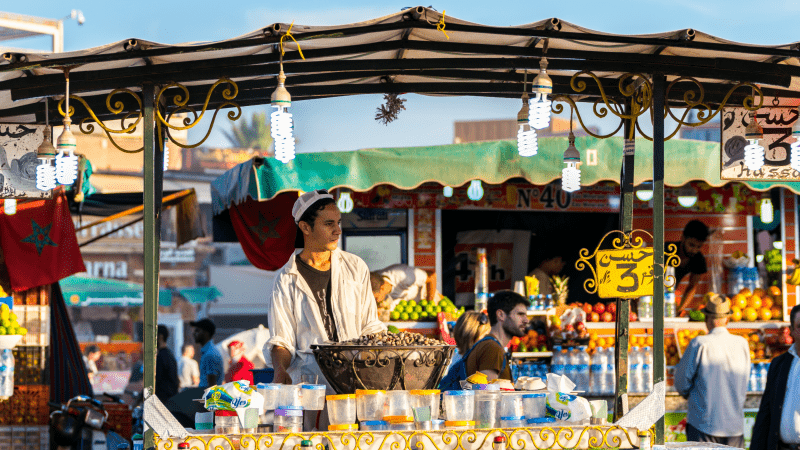
Daily life in Morocco can be highly enjoyable.
Markets, cafés, restaurants, neighbourhood shops and family-oriented routines are central to social life. Food is fresh and accessible. Domestic travel is varied. Coastal and mountain escapes are possible from several cities.
But the rhythm can differ from what many expats are used to.
Processes may feel slower. Communication may be less direct. Relationships matter. Social trust is built gradually. Flexibility is often more useful than frustration.
The expats who adapt best usually stop comparing every process to Europe or the Gulf.
They learn Morocco on its own terms.
That shift changes the experience.
The Main Challenges Expats Should Expect
Morocco is a rewarding place to live, but newcomers should be realistic.
Administrative delays. Paperwork and approvals can take longer than expected.
Language barriers. English is growing, but French or Darija still matter in many situations.
Housing quality variation. Not every modern-looking apartment is well built or well managed.
Service inconsistency. Quality can vary between providers, neighbourhoods and cities.
Traffic and transport. Casablanca and parts of other cities can be congested.
Cultural adjustment. Morocco is socially warm, but expectations around time, negotiation, communication and bureaucracy may differ.
Imported lifestyle costs. Living like a foreigner in prime districts can become expensive quickly.
These challenges are manageable.
But they should be expected before arrival.
MMO Expat Readiness Dashboard: 2026
City fit
Question: Does the chosen city match work, family, budget and lifestyle needs?
Risk: choosing based on holiday impressions rather than daily reality.
Housing
Question: Has the property been viewed properly, and does the neighbourhood work for daily life?
Risk: paying expat pricing for poor build quality or inconvenient location.
Language
Question: Can the resident function in basic French or Darija?
Risk: higher costs, weaker negotiation power and dependence on intermediaries.
Healthcare
Question: Is private healthcare accessible, and is insurance properly arranged?
Risk: discovering coverage gaps only during a medical event.
Schooling
Question: Have school fees, location and availability been confirmed before renting?
Risk: choosing housing before understanding education logistics.
Administration
Question: Are residency, banking, telecoms, rental and insurance documents organised?
Risk: delays caused by missing paperwork or informal assumptions.
Budget
Question: Is the lifestyle local, hybrid or fully international?
Risk: underestimating the cost of imported habits.
Is Morocco a Good Place to Live as an Expat?
Yes — for the right profile.
Morocco can offer a high quality of life, strong cultural experience, relative affordability, good weather, improving infrastructure and diverse city choices.
But it is not a plug-and-play destination.
The experience depends on preparation, flexibility and realistic expectations.
Expats who do best in Morocco usually share three traits:
They choose the right city for their needs.
They adapt to local systems instead of fighting them daily.
They understand the difference between visiting Morocco and living in Morocco.
That last point is essential.
A place can be beautiful as a visitor and still require discipline as a resident.
Final Perspective
Living in Morocco as an expat in 2026 is a combination of opportunity and adjustment.
The country offers lifestyle value, cultural depth and city-level variety that few destinations can match at the same cost.
But the experience is shaped by practical realities: housing, language, healthcare, schooling, banking, transport and administration.
Morocco rewards preparation. Adaptation turns access into quality of life.
For expats, that is the real lesson.