

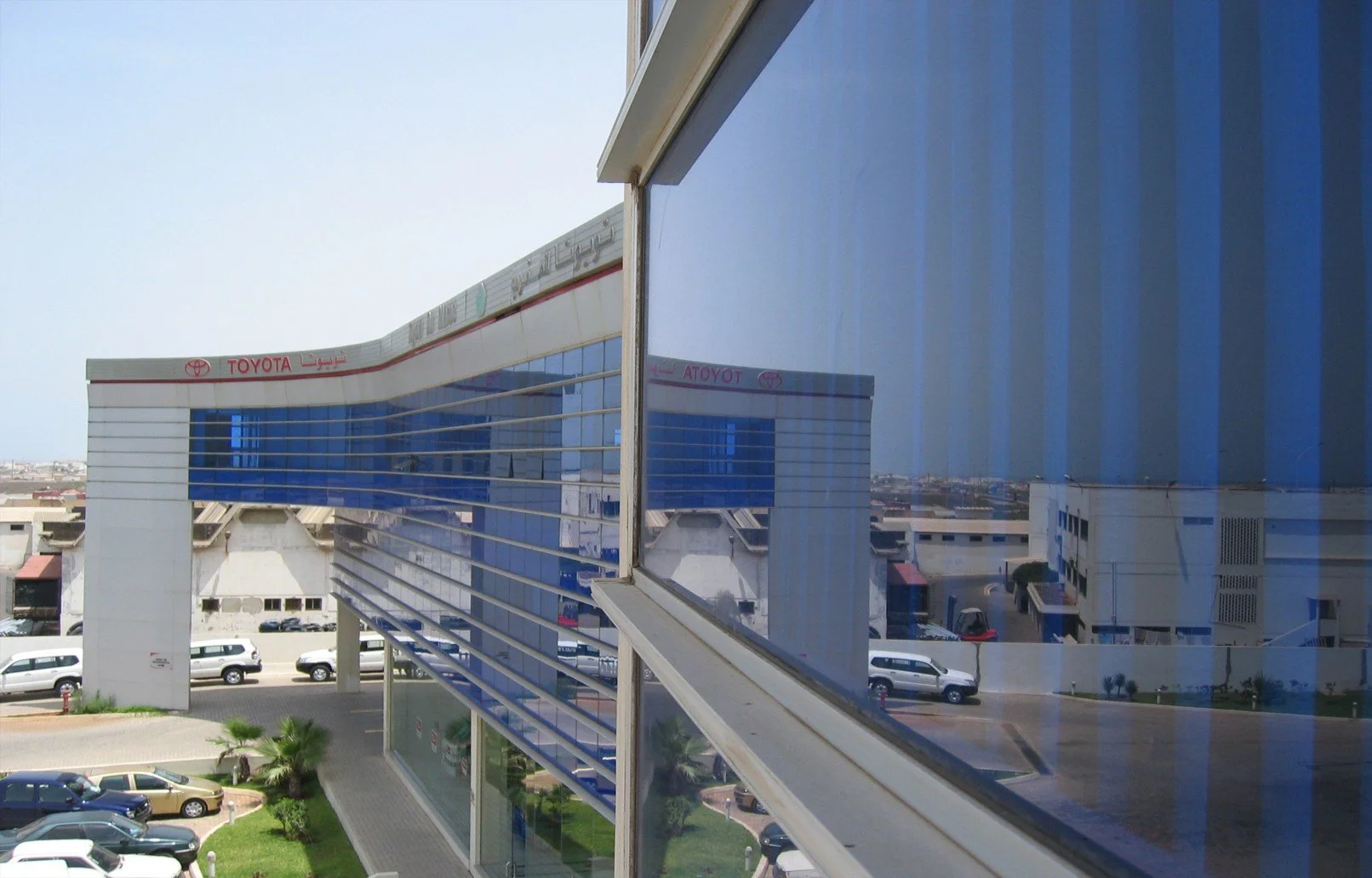
Morocco’s investment story is increasingly being defined by a single industrial geography: the corridor running from Tangier through Kenitra and Rabat to Casablanca.
This axis is becoming the country’s most important corporate spine.
It links Tanger Med’s global logistics platform with Kenitra’s automotive and electric mobility ecosystem, Rabat’s institutional centre, Casablanca’s financial base and Nouaceur’s aerospace cluster.
For multinationals, the attraction is no longer only Morocco’s proximity to Europe.
It is the ability to combine ports, industrial zones, export platforms, skilled labour, financial services and government-backed investment frameworks inside one connected national corridor.
That is why the Tangier-Casablanca axis is becoming Morocco’s clearest answer to the global nearshoring race.
The question is no longer whether Morocco is on the map.
It is whether this corridor can keep absorbing larger, more complex industrial commitments without creating bottlenecks in land, labour, utilities and execution.
The Corridor Thesis: From Location to Operating System
Morocco’s geography has always been an advantage.
But geography alone does not attract multinationals.
What matters is whether a country can convert location into an operating system.
The Tangier-Casablanca axis does exactly that.
At the northern end, Tanger Med gives companies access to one of the Mediterranean’s most important logistics platforms. Moving south, Kenitra anchors automotive and electric mobility. Rabat provides institutional proximity. Casablanca offers banking, headquarters functions, corporate services and financial infrastructure. Nouaceur adds aerospace depth.
This is not a random map of cities.
It is an industrial corridor where logistics, manufacturing, finance and administration increasingly reinforce each other.
For corporate investors, that combination reduces friction.
A company can source, manufacture, ship, finance and manage regional expansion within a single strategic geography.
Tangier: The Export Gate
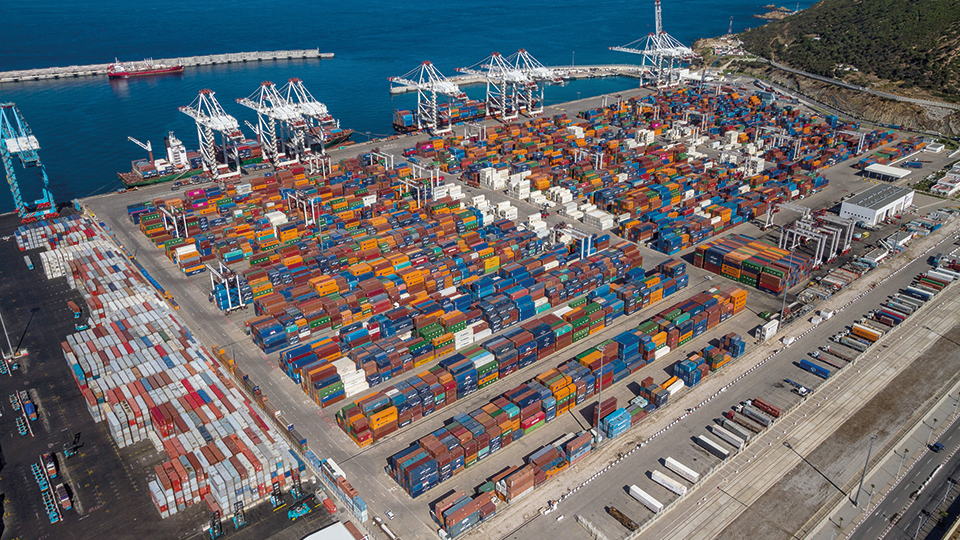
Tangier remains the corridor’s logistics anchor.
Tanger Med has made northern Morocco visible in global trade by connecting the country to major shipping routes and export markets.
For multinationals, this matters because port access is not only about moving goods. It affects working capital, delivery reliability, inventory management and export competitiveness.
A factory close to efficient port infrastructure can compete differently from one that relies on weaker logistics.
That is why Tangier’s role goes beyond containers.
It supports automotive suppliers, logistics operators, warehousing, customs-linked services and export-oriented manufacturing.
The strategic value is simple: Tangier gives the corridor its global exit point.
Kenitra: The Electric Mobility Layer
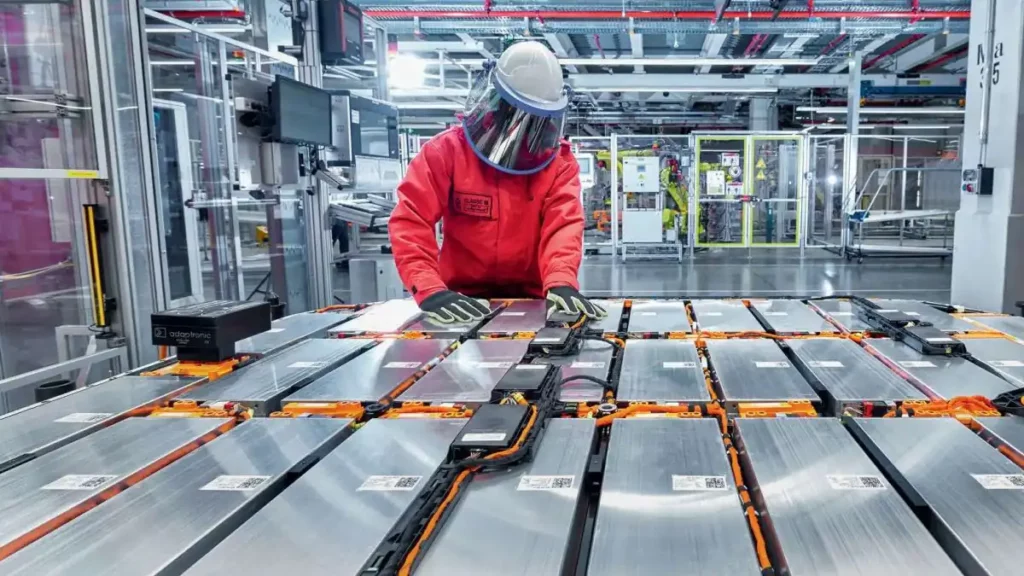
Kenitra is becoming one of the most important industrial nodes in Morocco’s next growth cycle.
The city already matters through automotive manufacturing and supplier activity. Its role is now expanding through electric mobility and battery-related investment.
Gotion High-Tech signed an investment deal with Morocco for a $1.3 billion EV battery plant in Kenitra, with production expected in 2026. The project has potential to expand toward a much larger battery platform over time. (reuters.com)
The industrial significance is clear.
Morocco is moving from vehicle assembly and components toward deeper participation in the EV value chain.
Battery manufacturing changes the nature of the investment case. It requires more energy planning, more technical skills, more supplier depth and stronger industrial coordination than traditional assembly.
That makes Kenitra a test case for Morocco’s ability to move up the manufacturing ladder.
If Gotion and related suppliers scale successfully, Kenitra could become one of North Africa’s most important electric mobility platforms.
Automotive Exports as the Corridor’s Cash Engine
Morocco’s automotive sector remains the strongest export pillar behind the corridor.
Automotive exports reached nearly 42 billion dirhams by the end of March 2026, up 12.1% year-on-year, according to data from Morocco’s foreign exchange office cited in recent market reporting. (moroccoworldnews.com)
That matters because automotive is not only an industrial sector.
It is the financial proof that Morocco’s corridor model works.
Factories, suppliers, ports, labour, incentives and export markets are already producing measurable foreign-exchange value.
The challenge is whether Morocco can protect that momentum as automotive shifts toward electrification, software, battery supply chains and stricter European carbon rules.
The opportunity is large.
The execution burden is larger.
Casablanca-Nouaceur: The Aerospace and Corporate Services Hub
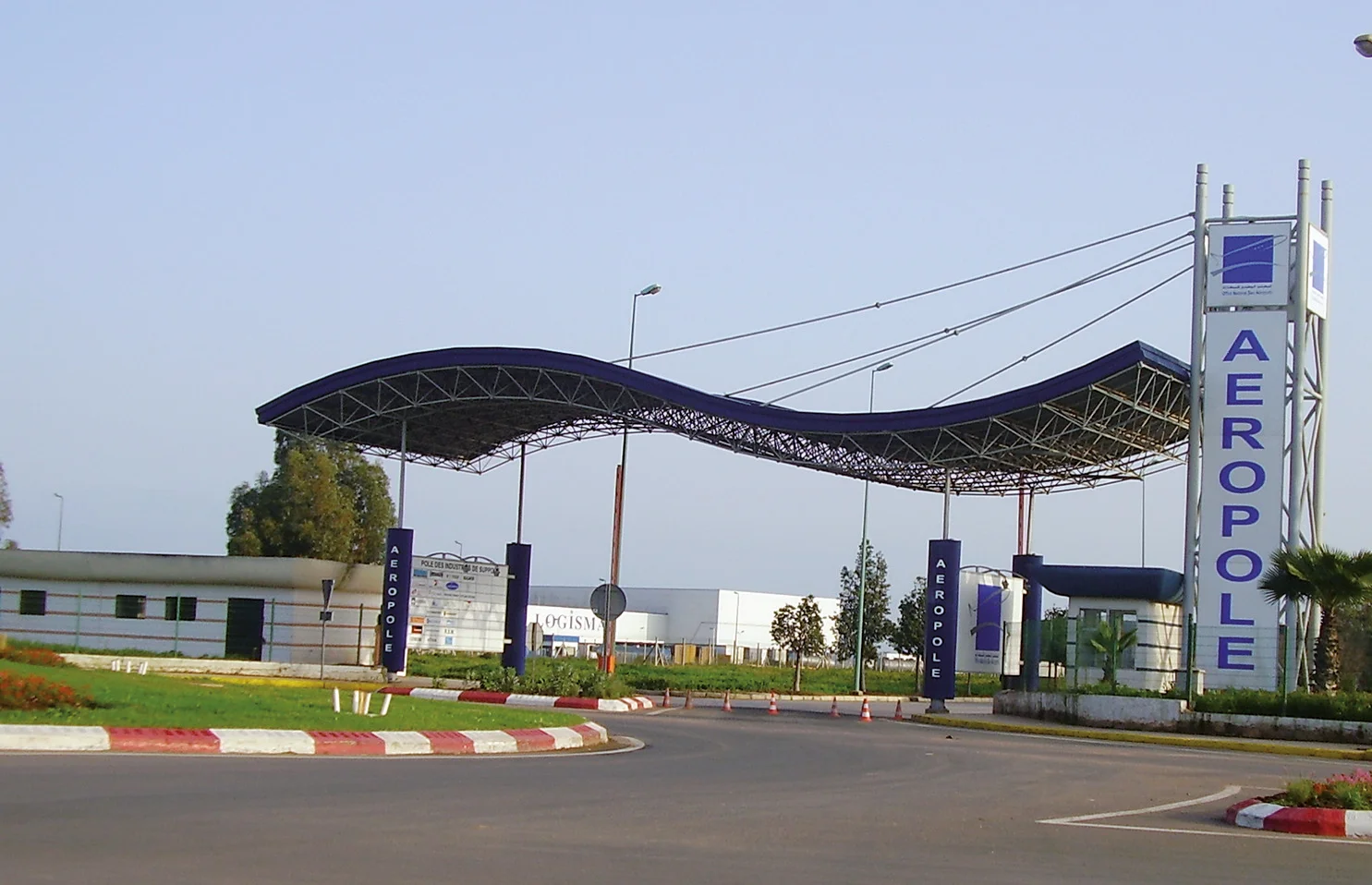
At the southern end of the corridor, Casablanca and Nouaceur form the aerospace and corporate services base.
The aerospace sector has become one of Morocco’s strongest examples of industrial upgrading.
Safran has made major commitments around Casablanca. The French aerospace group signed deals to establish a new Airbus engine assembly line and maintenance facility near Casablanca, including a €200 million engine assembly investment expected to produce 350 LEAP-1A engines per year. (reuters.com)
In February 2026, Safran Landing Systems also signed a deal for a €280 million landing gear plant near Casablanca. Morocco’s aerospace exports rose to 29 billion dirhams in 2025, up from 26.4 billion dirhams a year earlier. (reuters.com)
This is important for the corridor’s corporate profile.
Aerospace requires higher technical standards than many manufacturing segments. It depends on quality control, certification, engineering talent, supplier reliability and integration into global production cycles.
For Morocco, the sector signals that the Tangier-Casablanca axis is not limited to low-cost production.
It can support higher-value industrial activity.
Casablanca also adds the financial and managerial layer.
Corporate headquarters, banking, consulting, legal services, insurance and Casablanca Finance City all strengthen the corridor’s ability to serve companies that are not only manufacturing in Morocco, but using it as a regional base.
Casablanca Finance City: The Command Centre
The corridor’s industrial base needs a financial and corporate command centre.
Casablanca provides that function.
Casablanca Finance City has positioned itself as a platform for companies operating between Morocco, Africa and international markets. Recent data places the hub at around 220 companies and 8,500 direct jobs, with a continued role as one of Africa’s more visible financial centres. (wafir.ma)
The value of CFC is not only symbolic.
It gives the corridor a corporate-services ecosystem: finance, advisory, headquarters functions, insurance, legal structuring and Africa-facing management platforms.
That matters for multinationals.
A company does not only need a plant. It needs governance, treasury, tax planning, legal support, staff mobility and regional management.
Casablanca provides the institutional and financial density that industrial corridors need if they are to scale beyond assembly.
Why Multinationals Are Choosing the Axis
The Tangier-Casablanca corridor is attractive because it solves several corporate problems at once.
First, it offers proximity to Europe without operating inside the European Union.
Second, it connects production sites to port infrastructure and export markets.
Third, it provides access to industrial labour and specialised clusters.
Fourth, it offers a financial and corporate services base in Casablanca.
Fifth, it gives companies a platform for African expansion.
For global firms reassessing supply chains, these advantages are increasingly relevant.
Nearshoring is no longer only about lower labour costs. It is about risk reduction, shorter supply chains, customs efficiency, carbon exposure, energy planning and resilience.
Morocco’s corridor model speaks directly to that corporate agenda.
The Constraints: Land, Labour and Utilities
The corridor’s strength also creates pressure.
As more companies cluster along the axis, prime industrial land becomes more valuable. Serviced plots in established zones can become harder to secure. Competition for engineers, technicians and managers rises. Utility access, grid capacity, water planning and transport links become more important.
This is the natural test of any successful industrial corridor.
Growth creates density.
Density creates bottlenecks.
For Morocco, the challenge is to ensure that new investment does not outpace the corridor’s physical and human-capital capacity.
The most important constraints to watch are:
serviced industrial land
technical labour supply
energy and water access
road and rail connectivity
supplier depth
customs and administrative efficiency
These are not signs of weakness.
They are signs that Morocco’s industrial strategy is moving into a more demanding phase.
The CBAM and Carbon Compliance Layer
European regulation adds another dimension.
As the EU’s Carbon Border Adjustment Mechanism becomes more relevant for exporters, companies serving Europe must pay closer attention to emissions, energy sourcing and carbon reporting.
That makes Morocco’s renewable energy strategy part of the corridor’s competitiveness.
Industrial zones that can offer reliable power, lower-carbon energy pathways and credible reporting will become more attractive.
For manufacturers, the question is shifting.
It is no longer only whether Morocco is close to Europe.
It is whether Moroccan production can meet Europe’s evolving compliance standards.
The corridor’s next advantage may therefore come from combining logistics with lower-carbon industrial operations.
MMO Corporate Corridor Matrix: 2026
Tangier / Tanger Med
Market signal: Morocco’s primary global logistics platform and northern export gate.
Corporate value: port access, customs efficiency, warehousing and export reliability.
Execution test: inland logistics, serviced land and capacity to support higher-value processing.
Kenitra
Market signal: automotive production base and future EV battery node through Gotion’s $1.3 billion plant.
Corporate value: electric mobility positioning and proximity to Europe-linked value chains.
Execution test: battery talent, supplier depth, energy planning and industrial utilities.
Rabat
Market signal: institutional and regulatory centre.
Corporate value: proximity to national decision-making, public investment frameworks and administrative coordination.
Execution test: speed and consistency of approvals across national and local levels.
Casablanca Finance City
Market signal: corporate and financial platform with around 220 companies and 8,500 direct jobs.
Corporate value: headquarters functions, finance, insurance, legal structuring and Africa-facing management.
Execution test: maintaining regional competitiveness against other African and Gulf financial centres.
Casablanca-Nouaceur
Market signal: aerospace export base with 29 billion dirhams in 2025 exports and major Safran commitments.
Corporate value: high-value manufacturing, supplier integration and aerospace certification depth.
Execution test: engineering talent, quality control, supplier localisation and export velocity.
What Investors Should Watch Next
Investors should monitor five signals across the corridor.
First, whether new industrial land supply keeps pace with multinational demand.
Second, whether Kenitra’s EV and battery ecosystem attracts secondary suppliers rather than remaining dependent on anchor projects.
Third, whether Casablanca-Nouaceur continues moving into higher-value aerospace production.
Fourth, whether CFC can strengthen its role as a real corporate command centre for Africa-facing businesses.
Fifth, whether Morocco can align industrial expansion with energy, water and carbon-compliance requirements.
These variables will determine whether the Tangier-Casablanca axis becomes a durable multinational base or simply a high-performing industrial corridor under pressure.
Final Outlook
The Tangier-Casablanca axis is becoming Morocco’s most important corporate corridor.
It connects the country’s logistics gateway, automotive base, institutional centre, financial hub and aerospace cluster into a single economic geography.
That is why multinationals are paying attention.
The corridor offers what global companies increasingly want: proximity, infrastructure, export access, financial services, skilled clusters and a platform into Africa.
But the next phase will be harder than the last.
The test is no longer whether Morocco can attract multinational investment.
It is whether the corridor can absorb larger, more complex commitments without losing speed, cost discipline or execution quality.
That will define the next stage of Morocco’s corporate investment story.