

Morocco’s economy is entering 2026 with stronger momentum than many peers in North Africa.
The International Monetary Fund projects real GDP growth of 4.4% in 2026, supported by stronger agricultural output and public infrastructure investment. Bank Al-Maghrib has been even more bullish, raising its 2026 growth forecast to 5.6% after improved rainfall ended years of drought pressure.
That creates a more optimistic macro picture.
But for investors, the more important question is not whether Morocco is growing. It is whether the country can turn cyclical recovery, infrastructure spending and industrial momentum into durable productivity gains.
The distinction matters.
Agriculture can lift headline GDP after a strong rainfall season. World Cup-linked infrastructure can support construction. Tourism can drive services. But the real test is whether Morocco’s growth model becomes more resilient, more export-oriented and more capable of creating higher-value jobs.
In 2026, Morocco’s growth story is strong. Its sustainability will depend on execution.
The 2026 Growth Story Is Stronger — But More Complex
Morocco’s economic momentum is being driven by several forces at once.
Agriculture is rebounding after years of drought pressure. Public investment is accelerating through infrastructure, transport and World Cup-linked upgrades. Industrial exports remain anchored by automotive, aerospace and other manufacturing sectors. Tourism continues to support services, foreign-currency inflows and employment.
That combination gives Morocco a broad growth base.
But it also creates exposure.
A stronger agricultural season can lift GDP, but it also reminds investors how sensitive Morocco remains to rainfall and water availability. Infrastructure spending can accelerate growth, but it can also widen import demand. Export industries can strengthen the economy, but they remain tied to European demand and global supply chains.
The country’s growth model is therefore moving in the right direction, but it remains exposed to execution, climate and external demand risks.
Infrastructure Is the Growth Engine
Infrastructure remains one of the clearest drivers of Morocco’s economic expansion.
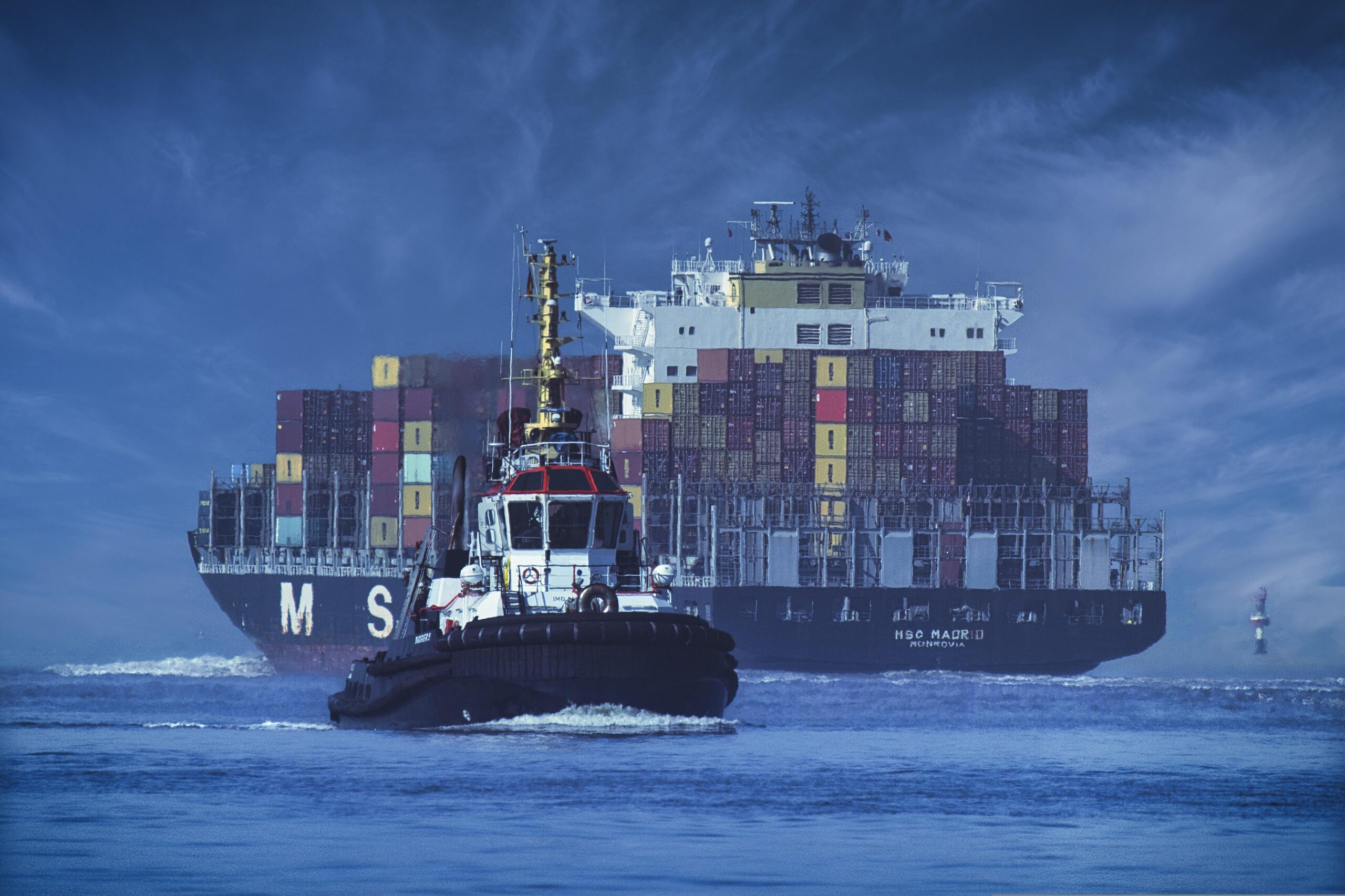
Ports, highways, rail networks, airports and logistics platforms have helped reduce trade friction and connect industrial zones to export markets. This is not a side story. It is the backbone of Morocco’s development model.
The World Cup cycle is adding another layer.
Morocco has outlined a 38 billion dirham airport expansion programme to raise national airport capacity to 80 million passengers by 2030, from 34 million previously. The African Development Bank has also approved €270 million in financing for airport upgrades ahead of the 2030 FIFA World Cup.
For the economy, this spending creates near-term demand in construction, transport, tourism and services.
For investors, it creates a larger addressable market in infrastructure, hospitality, logistics and urban development.
But the risk is familiar: not every project attached to a national growth cycle will create long-term value. The underwriting test is whether the infrastructure supports durable demand beyond the event cycle.
Manufacturing Is Moving Up the Value Chain
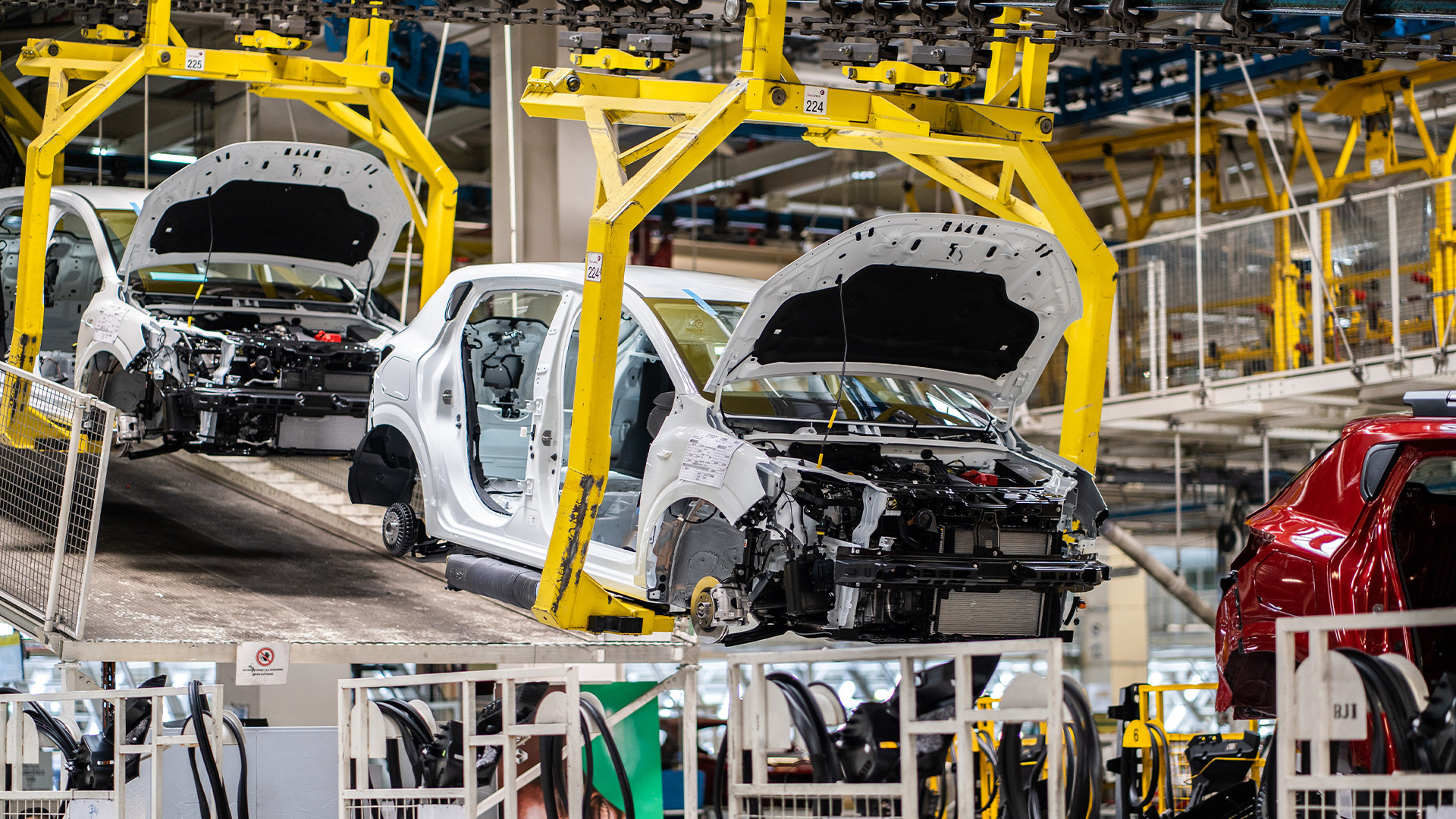
Morocco’s industrial growth is increasingly tied to export-oriented manufacturing.
Automotive remains the flagship sector. Morocco’s automotive exports rose 6.3% to 157.6 billion dirhams in 2024, maintaining its position as the country’s leading export sector, according to the Office des Changes.
That matters because Morocco’s growth is no longer driven only by domestic consumption, agriculture or tourism.
Industrial production is becoming a more important part of the country’s external-facing growth model.
Automotive, aerospace and emerging EV battery investments are helping Morocco position itself as a manufacturing base close to Europe. The shift is strategically important: the country is trying to capture more value from supply chains rather than only offering cost-competitive assembly.
For investors, the opportunity is clear.
The stronger Morocco’s industrial base becomes, the more attractive the country is for suppliers, logistics operators, industrial services, training providers, energy companies and export-linked real estate.
The risk is also clear.
Higher-value manufacturing requires specialised talent, reliable utilities, supplier depth and faster administrative execution. Without those, industrial ambition can outpace operational capacity.
Tourism and Services Are Carrying More Weight
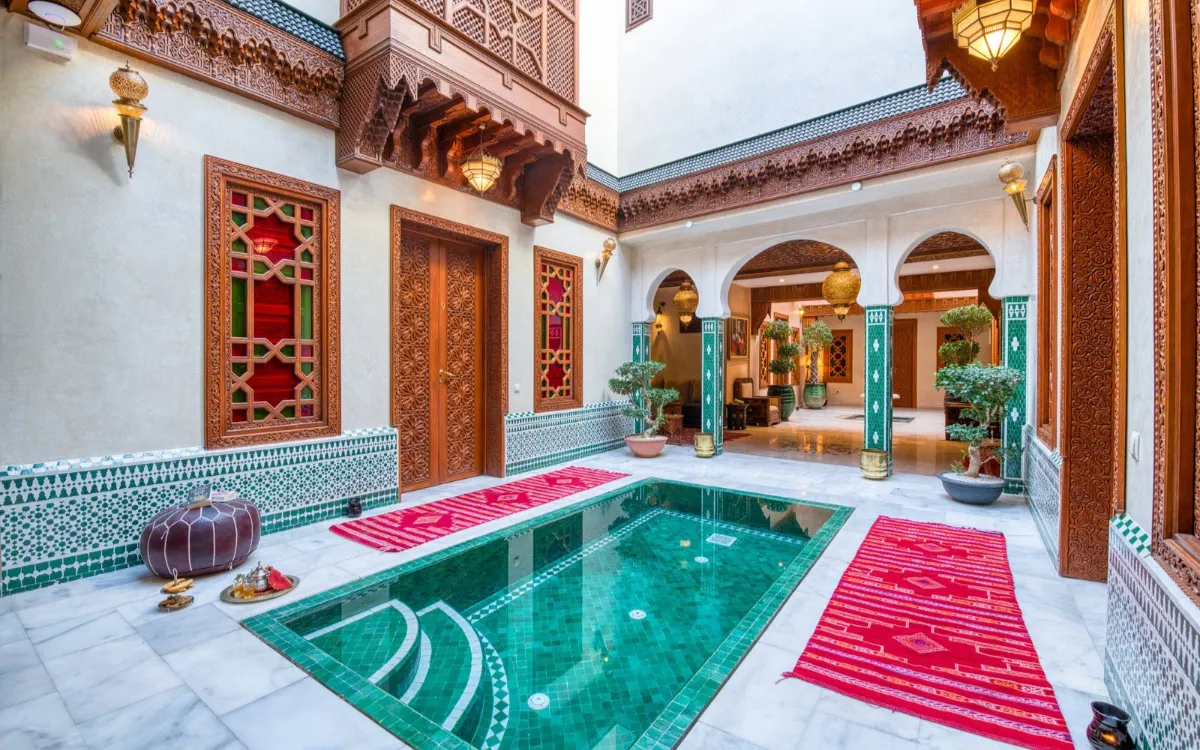
Tourism has become one of Morocco’s most important growth stabilisers.
The sector supports foreign-currency inflows, employment, hospitality investment, transport demand and real estate activity in key cities and coastal destinations.
With the 2030 World Cup cycle ahead, the sector is likely to attract more capital into hotels, serviced apartments, airports, destination upgrades and tourism services.
But tourism-led growth is not risk-free.
It can be sensitive to global travel cycles, air connectivity, pricing, service quality and external shocks. It can also inflate property expectations in certain cities if investors confuse event-driven momentum with permanent demand.
For Morocco, the opportunity is to turn tourism growth into a broader services upgrade.
For investors, the key is to separate markets with structural demand from locations driven mainly by short-term visibility.
Agriculture Still Shapes the Headline Numbers
Morocco’s 2026 growth outlook has been helped by improved rainfall and a stronger agricultural rebound.
That is positive for GDP, rural income and food supply.
But it also exposes one of the core vulnerabilities in Morocco’s growth model: agriculture still has a large influence on headline performance.
A good rainfall year can lift growth. A weak one can drag it down.
This is why water policy is increasingly macroeconomic policy.
For investors, water is no longer a background environmental issue. It affects agriculture, tourism, industrial development, urban expansion and energy planning.
The question is not only whether Morocco grows in 2026. It is whether growth becomes less dependent on rainfall over time.
The External Balance Is a Key Constraint
Morocco’s growth acceleration comes with an external-sector trade-off.
Bank Al-Maghrib expects the current account deficit to widen to 3.1% of GDP in 2026 from 2.3% the previous year, partly due to higher energy imports.
This matters for investors because infrastructure and industrial expansion often require imported machinery, energy, equipment and intermediate goods.
A stronger investment cycle can therefore pressure imports before it produces export gains.
That does not undermine Morocco’s growth story. But it does mean that the country’s external balance must be watched carefully.
The sustainability of growth will depend on whether export sectors, tourism receipts, remittances and foreign direct investment can offset the import needs of the development cycle.
The Growth Drivers and Their Risks
Morocco’s 2026 growth story can be read through five major drivers.
Agriculture recovery. Stronger rainfall supports GDP and rural income. The risk is renewed climate volatility and water stress.
Infrastructure investment. Airports, transport, ports and World Cup-linked upgrades support near-term activity. The risk is project delays, cost inflation and weak post-event utilisation.
Industrial exports. Automotive, aerospace and EV-related supply chains strengthen Morocco’s external position. The risk is technical talent scarcity, utility bottlenecks and European demand exposure.
Tourism and services. Visitor growth supports employment, foreign exchange and hospitality investment. The risk is overpricing, seasonality and uneven service quality.
Renewable energy and green industry. Solar, wind and green hydrogen ambitions can improve competitiveness. The risk is execution complexity, grid capacity, water requirements and long payback periods.
The opportunity is that these drivers reinforce each other.
The risk is that each one depends on execution quality.
What Could Slow Morocco’s Growth
Morocco’s growth trajectory is positive, but several constraints could slow momentum.
Water stress. Agriculture, tourism, industry and cities all compete for reliable water. Desalination, reuse and water infrastructure are becoming central to the country’s economic resilience.
Execution at scale. Morocco has strong national plans, but delivery depends on permitting, contractor capacity, utility connections and local administrative coordination.
European demand exposure. Morocco’s export industries remain closely tied to Europe. A slowdown in European manufacturing or consumption would affect key sectors.
Energy import pressure. Higher energy imports can widen external deficits and affect inflation, costs and the balance of payments.
Talent bottlenecks. Advanced manufacturing, batteries, aerospace, digital services and renewable energy require specialised technical labour.
Inclusion and jobs. Growth must translate into broader employment and income gains. Otherwise, macro expansion may not fully convert into social and domestic demand resilience.
These are not reasons to dismiss Morocco’s outlook.
They are the variables that will determine whether growth becomes structural.
MMO Growth Sustainability Dashboard
Growth driver: Infrastructure and World Cup investment
Upside: construction, airports, logistics, tourism and urban upgrades.
Risk: project delays, cost inflation and post-event demand uncertainty.
Investor test: does the project serve long-term economic use beyond 2030?
Growth driver: Automotive and industrial exports
Upside: stronger export base, supplier ecosystems and nearshoring.
Risk: talent shortages, utility readiness and European demand exposure.
Investor test: is the project integrated into a credible export corridor?
Growth driver: Agriculture recovery
Upside: stronger rural income and headline GDP support.
Risk: rainfall dependency and water stress.
Investor test: is the business model resilient to climate variability?
Growth driver: Tourism and services
Upside: foreign exchange, employment and hospitality investment.
Risk: overpricing, seasonality and service-quality gaps.
Investor test: is demand structural or driven by event-cycle optimism?
Growth driver: Renewable energy and green industry
Upside: lower-carbon competitiveness and export alignment with Europe.
Risk: grid capacity, water needs, financing complexity and long timelines.
Investor test: is the project commercially viable without relying only on policy ambition?
What This Means for Investors
Morocco’s growth story is attractive because it combines momentum with direction.
The country is not only growing because of a short-term cycle. It is investing in infrastructure, industrial capacity, energy transition and international connectivity.
But investors should avoid treating Morocco’s growth as a single national trend.
The opportunity is sector-specific and corridor-specific.
Industrial growth depends on logistics, energy, talent and export access. Tourism depends on location, air connectivity and service quality. Real estate depends on genuine demand, not only infrastructure announcements. Agriculture and water-sensitive sectors depend on climate resilience and resource planning.
The investors best positioned to benefit will be those who distinguish between headline growth and investable growth.
Final Perspective
Morocco’s economic growth in 2026 is stronger, broader and more strategically important than in previous cycles.
But it is also more complex.
The country is moving from a growth model based on stability, location and public investment toward one increasingly shaped by industrial depth, infrastructure execution, climate resilience and export competitiveness.
That is a stronger model — but also a more demanding one.
Growth creates momentum. Execution determines durability.
For Morocco, that is the central test in 2026 and beyond.