


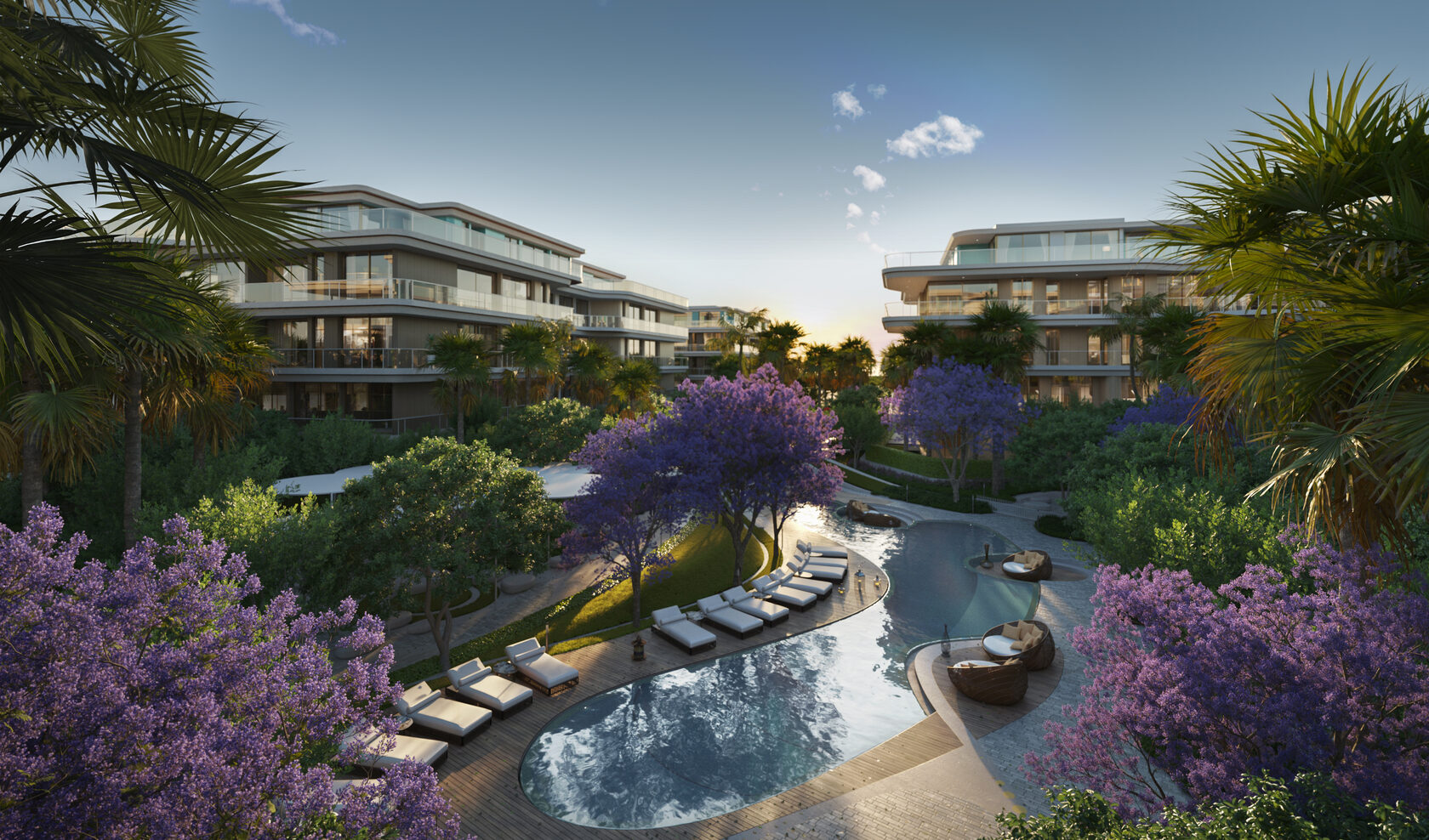
Morocco’s property market is attracting more foreign attention, driven by tourism demand, diaspora capital, lifestyle relocation, infrastructure spending and long-term interest in cities such as Casablanca, Rabat, Marrakech and Tangier.
For international buyers, the appeal is clear: Morocco offers relative affordability compared with many European markets, cultural depth, improving connectivity and a wide range of assets, from apartments and villas to riads and coastal properties.
But buying property in Morocco in 2026 is not simply a lifestyle decision.
It is a legal, financial and administrative transaction that needs to be structured correctly from the start.
The critical question for foreign buyers is not whether they can buy property in Morocco. In most cases, they can. The real question is whether the title is clean, the funds are properly documented, the notarial process is correctly handled and the exit route is protected before the first payment is made.
That distinction matters.
Foreign Buyers Can Access the Market — But Not All Assets Carry the Same Risk
Foreign buyers can generally purchase residential and commercial property in Morocco, including apartments, villas, riads and other titled assets in urban and developed areas.
The legal framework is broadly open, and foreign investment in Moroccan real estate is recognised within Morocco’s foreign-exchange framework. The Office des Changes includes the acquisition of real estate among transactions that can constitute foreign investment in Morocco.
But access does not mean every property should be treated the same.
The strongest transactions usually involve titled property registered with the land registry, clear ownership documentation and a notarial process that can be independently verified.
The higher-risk situations are different: agricultural land, untitled property, unclear succession histories, informal arrangements, under-declared prices, unregistered construction changes or sellers pushing for payments outside the formal banking system.
For foreign buyers, the first rule is simple: the asset must be legally clean before it is commercially attractive.
The Notary Is the Central Gatekeeper

In Morocco, the notary is central to the property purchase process.
The transaction typically moves through several stages: property selection, preliminary agreement, due diligence, final deed, payment, registration and title transfer. Buying guides commonly identify title verification, notary involvement and registration at the land registry as core steps in the process.
For foreign buyers, the notary is not only a formality.
The notary should verify the title, confirm ownership, review encumbrances, manage the signing of the deed, oversee payment mechanics and ensure the property is registered in the buyer’s name.
That matters because the risk in Morocco is rarely that foreigners are legally unable to buy. The risk is that buyers treat the notarial process as paperwork rather than the core protection mechanism.
A serious buyer should know exactly what the notary has verified before signing.
Title Verification Is the First Underwriting Test
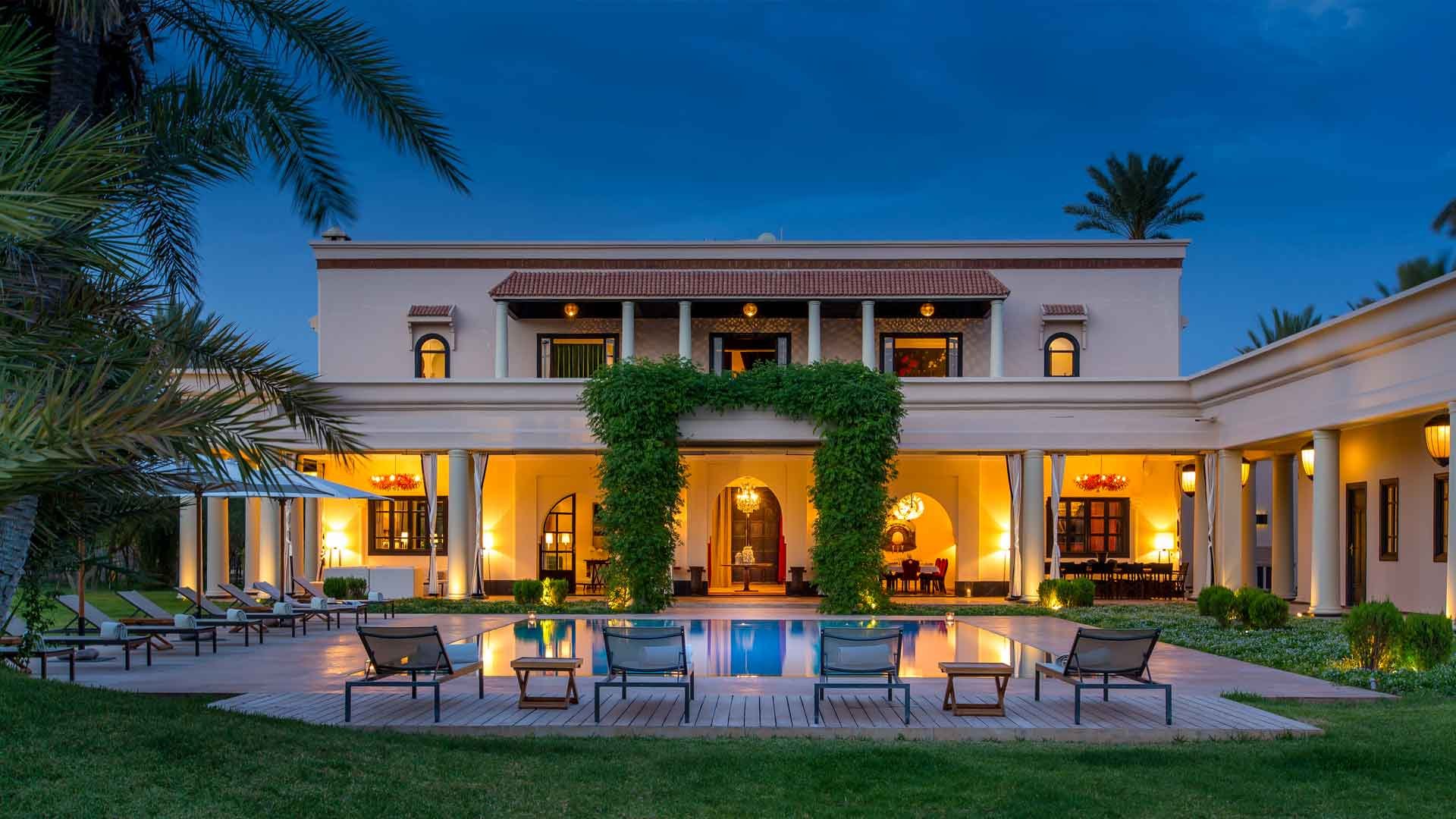
The most important question in a Moroccan property transaction is whether the title is clean and enforceable.
Foreign buyers should verify:
Registered title. Is the property properly registered with the land registry?
Seller authority. Is the seller legally entitled to sell, especially in inheritance or co-ownership situations?
Encumbrances. Are there mortgages, liens, disputes, easements or claims attached to the property?
Permits and conformity. Does the built property match authorised plans and permits?
Boundary and land status. Are the land boundaries and usage rights clear?
This is especially important for villas, land, rural property, riads and older assets where ownership history may be more complex.
A property can look attractive, be well located and appear fairly priced — but if the title is not clean, the investment case weakens immediately.
Agricultural Land and the VNA Hurdle
Not all real estate assets in Morocco carry the same legal profile.
Residential apartments in major cities with clean titles are generally easier to underwrite. Agricultural land, rural plots, informal structures or untitled assets require much more caution.
For foreign buyers, agricultural land is one of the most important red lines in Moroccan real estate.
In practice, foreign nationals are generally restricted from directly acquiring agricultural land unless the land is converted or cleared for non-agricultural use. This usually requires a Certificate of Non-Agricultural Vocation, commonly known as a VNA, issued through the relevant authorities.
For investors, the VNA is not an administrative detail. It can determine whether a land acquisition is legally viable at all.
Foreign buyers should be particularly careful with:
- Agricultural land.
- Property outside urban perimeters.
- Property without clear registered title.
- Land with unclear zoning or usage rights.
- Assets involving multiple heirs or family ownership.
- Buildings where construction does not match authorised plans.
These are not necessarily impossible transactions, but they require specialised legal review.
For foreign buyers, the higher return profile often comes with higher legal and administrative complexity.
The Office des Changes Matters for Foreign Buyers
For foreign buyers, the way money enters Morocco matters.
If funds are brought into Morocco properly through official banking channels and documented as foreign investment, the buyer is better positioned to repatriate sale proceeds or investment income later, subject to applicable rules.
The Office des Changes is the institution that oversees Morocco’s foreign-exchange framework, and foreign real estate investment falls within that broader system.
This is where many foreign buyers underestimate the process.
The purchase is not only about transferring money and signing the deed. It is about creating a clean financial trail.
Buyers should preserve documentation showing:
- The origin of funds.
- The foreign-currency transfer into Morocco.
- The conversion into Moroccan dirhams.
- The notarial payment record.
- The registration and final title transfer.
Without proper documentation, the exit can become more complicated than the entry.
For international buyers, repatriation planning starts before the purchase, not at the moment of resale.
Transaction Costs Are Material
Foreign buyers should not price a Moroccan property transaction on the purchase price alone.
Additional costs typically include registration duties, land registry fees, notary fees and administrative charges. Buying guides for Morocco commonly place overall acquisition costs around 6% to 8% for many residential transactions, though the final number can vary by property type, declared value, financing structure and brokerage fees.
A conservative acquisition-cost ledger usually looks like this:
Registration duties: often around 4% for residential property.
Land registry fee: commonly around 1% to 1.5%, depending on the transaction and applicable calculation.
Notary professional fees: often around 0.5% to 1.0%, with VAT applying to the notary’s professional fees.
Administrative and stamp duties: usually a smaller fixed or percentage-based cost.
Baseline transaction load: often around 6% to 8% before brokerage fees.
Brokerage fees: where applicable, these are often charged separately and may materially increase the buyer’s total acquisition cost.
This matters because a buyer targeting a short-term resale needs to understand the transaction-cost drag before calculating expected returns.
In Moroccan real estate, the entry price is only the first number. The fully loaded acquisition cost is the number that matters.
City Selection Changes the Risk Profile
Morocco is not one property market.
It is a collection of local markets with different demand drivers, buyer profiles and risk dynamics.
Casablanca. The country’s main business market. Demand is linked to employment, corporate activity, services and urban density. Liquidity can be stronger, but pricing is more competitive.
Rabat. A more stable administrative and residential market, supported by institutions, embassies, families and long-term residents.
Marrakech. A tourism and lifestyle market with strong international visibility. Returns can be attractive, but demand is more sensitive to tourism cycles, short-term rental rules and location quality.
Tangier. A growth market tied to infrastructure, logistics, port activity, diaspora demand and proximity to Europe. The opportunity is strong, but project selection matters.
Agadir and coastal regions. More lifestyle-driven and relatively accessible, but often more seasonal and dependent on tourism, retirees and second-home demand.
For investors, city selection should come before property selection.
The same asset type can carry very different risk depending on the city, neighbourhood and demand base.
MMO Real Estate Underwriting Dashboard: 2026 Buyer Directives
Before signing, foreign buyers should pressure-test the transaction through a legal, financial and operational lens.
Title registry audit. Is the asset registered under a clean, updated and undisputed Titre Foncier at the Conservation Foncière?
Seller authority. Is the seller legally entitled to sell, and are all co-owners, heirs or representatives properly documented?
Agricultural land hurdle. If the plot sits outside the urban perimeter, has the VNA question been resolved before any commitment is made?
Inbound capital trail. Are foreign-currency inflows routed through official banking channels with full documentation?
Office des Changes protection. Is the investment properly documented to support future repatriation where applicable?
Structural permitting conformity. Does the physical property match planning permits, authorised plans and legal documentation?
Transaction-cost load. Has the buyer budgeted for registration duties, land registry fees, notary fees, administrative costs and brokerage where applicable?
Exit liquidity. Is there a realistic resale or rental market beyond the buyer’s personal preference?
That is the difference between buying property in Morocco and underwriting property in Morocco.
Is Buying Property in Morocco a Good Investment?
Buying property in Morocco can be attractive, but the answer depends on the asset.
The strongest opportunities usually combine:
- clean title
- real demand
- good location
- credible development quality
- clear payment trail
- reasonable transaction costs
- exit liquidity
For lifestyle buyers, Morocco offers a compelling combination of culture, climate, connectivity and relative affordability.
For investors, the standard should be higher.
The question is not whether the property looks attractive. It is whether the transaction is legally secure, financially documented and supported by a real demand base.
Final Perspective
Foreign buyers can access Morocco’s property market. That is not the difficult part.
The real test is whether the purchase is structured correctly.
Morocco offers genuine real estate opportunities across several cities and asset classes. But outcomes depend on title security, notarial discipline, documented capital flows, city-level demand and project execution.
Access allows the purchase. Structure protects the investment.
For foreign buyers in 2026, that is the point that matters most.