



Morocco’s real estate market is entering 2026 with stronger international attention, but also sharper segmentation.
The market is no longer moving as one national story. Casablanca, Rabat, Marrakech, Tangier and Agadir are now operating as distinct real estate economies, each driven by different combinations of corporate demand, tourism, infrastructure, diaspora capital, lifestyle relocation and speculative expectations.
That distinction matters for investors.
The opportunity in Morocco is not simply “buy property before prices rise.” The more serious question is where demand is structural, where pricing is already stretched, and where execution risk could undermine returns.
In 2026, Morocco’s real estate market is not defined by one trend. It is defined by the gap between headline momentum and local market reality.
The Market Is Becoming More Selective
Morocco’s property market remains supported by long-term fundamentals: urbanisation, infrastructure investment, tourism growth, diaspora demand and the country’s increasing international visibility.
But the market is also becoming more selective.
Real estate professionals and market observers increasingly point to contained national price growth, with stronger performance in prime locations and more limited movement elsewhere. Industry commentary for 2026 suggests a more rational market, with moderate price increases rather than broad-based acceleration.
That is important.
A market with selective growth rewards buyers who understand location, liquidity and demand depth. It punishes those who buy purely on national optimism.
For investors, Morocco should not be treated as one property market. It should be treated as a network of local markets with different risk-return profiles.
Casablanca: Liquidity, Corporate Demand and Price Discipline
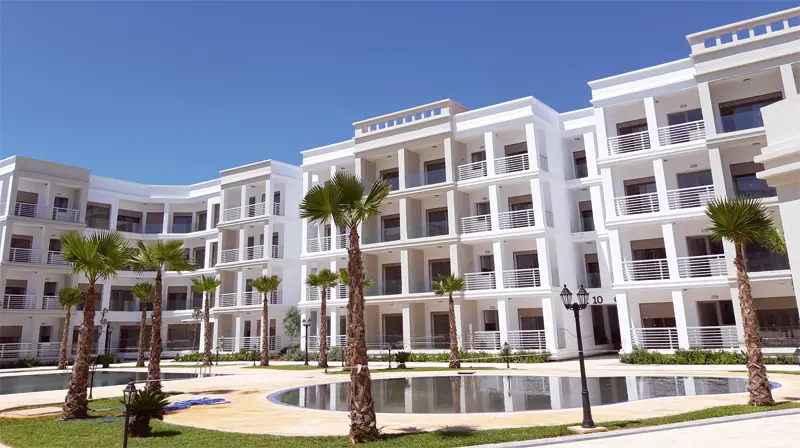
Casablanca remains Morocco’s deepest and most liquid real estate market.
As the country’s economic capital, it benefits from corporate activity, employment concentration, financial services, headquarters demand and urban density. That gives Casablanca a stronger base of end-user demand than many other cities.
But Casablanca is not necessarily the easiest market for high returns.
Prime locations are expensive, competition is high and buyers are more price-sensitive than in lifestyle markets. The investment case is usually less about dramatic capital appreciation and more about liquidity, rental depth and long-term demand.
For institutional or serious private investors, Casablanca’s strongest advantage is market depth.
The risk is overpaying for average assets in expensive districts.
Investor read: Casablanca is a liquidity market, not a speculative bargain market.
Rabat: Stability, Institutions and Defensive Real Estate
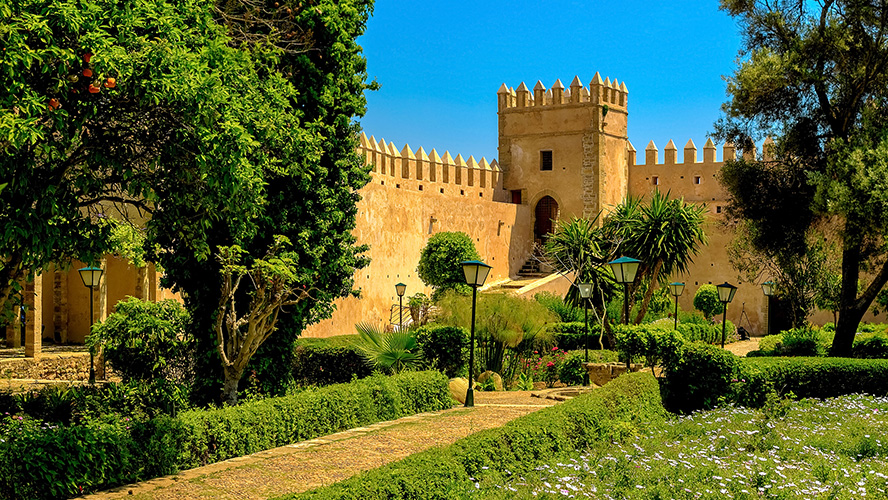
Rabat offers a different profile.
As Morocco’s administrative capital, the city is supported by government institutions, embassies, international organisations, families, professionals and long-term residents. Demand is generally more stable and less dependent on tourism cycles.
That makes Rabat one of the more defensive real estate markets in Morocco.
Newer residential areas, high-quality apartments and family-oriented housing can attract consistent demand, especially when located near services, schools, administration and transport.
But defensive markets usually come with more limited upside.
Rabat can protect capital better than it multiplies it.
Investor read: Rabat is a stability market, attractive for defensive capital and long-term residential demand.
Marrakech: International Visibility and Tourism-Cycle Risk
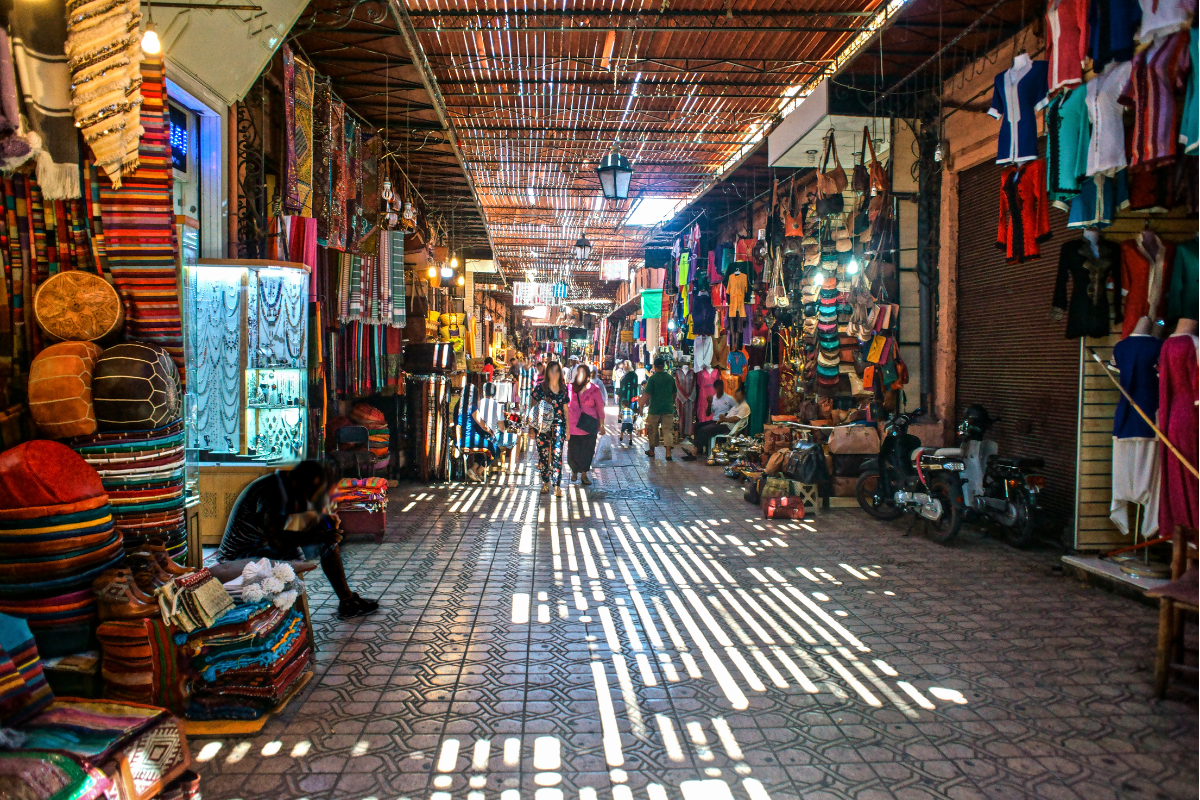
Marrakech remains Morocco’s most internationally recognisable real estate market.
The city attracts foreign buyers, lifestyle investors, hospitality operators, short-term rental investors and luxury second-home demand. Its brand is powerful, and international visibility remains one of its strongest assets.
That visibility can support pricing in prime areas.
But Marrakech also carries a higher tourism beta.
Returns can be attractive in the right districts and asset types, especially where hospitality, short-term rental demand and international buyers converge. But the market is sensitive to air connectivity, tourism cycles, regulation, operating quality and location precision.
The difference between a strong Marrakech asset and a weak one can be dramatic.
A well-located riad, villa or apartment with clean title, strong management and legal rental compliance may perform well. A poorly located or overpaid asset bought on lifestyle emotion can underperform quickly.
Investor read: Marrakech is a high-visibility, high-variance market. Returns depend heavily on micro-location and operating discipline.
Tangier: Infrastructure Growth and Diaspora Demand
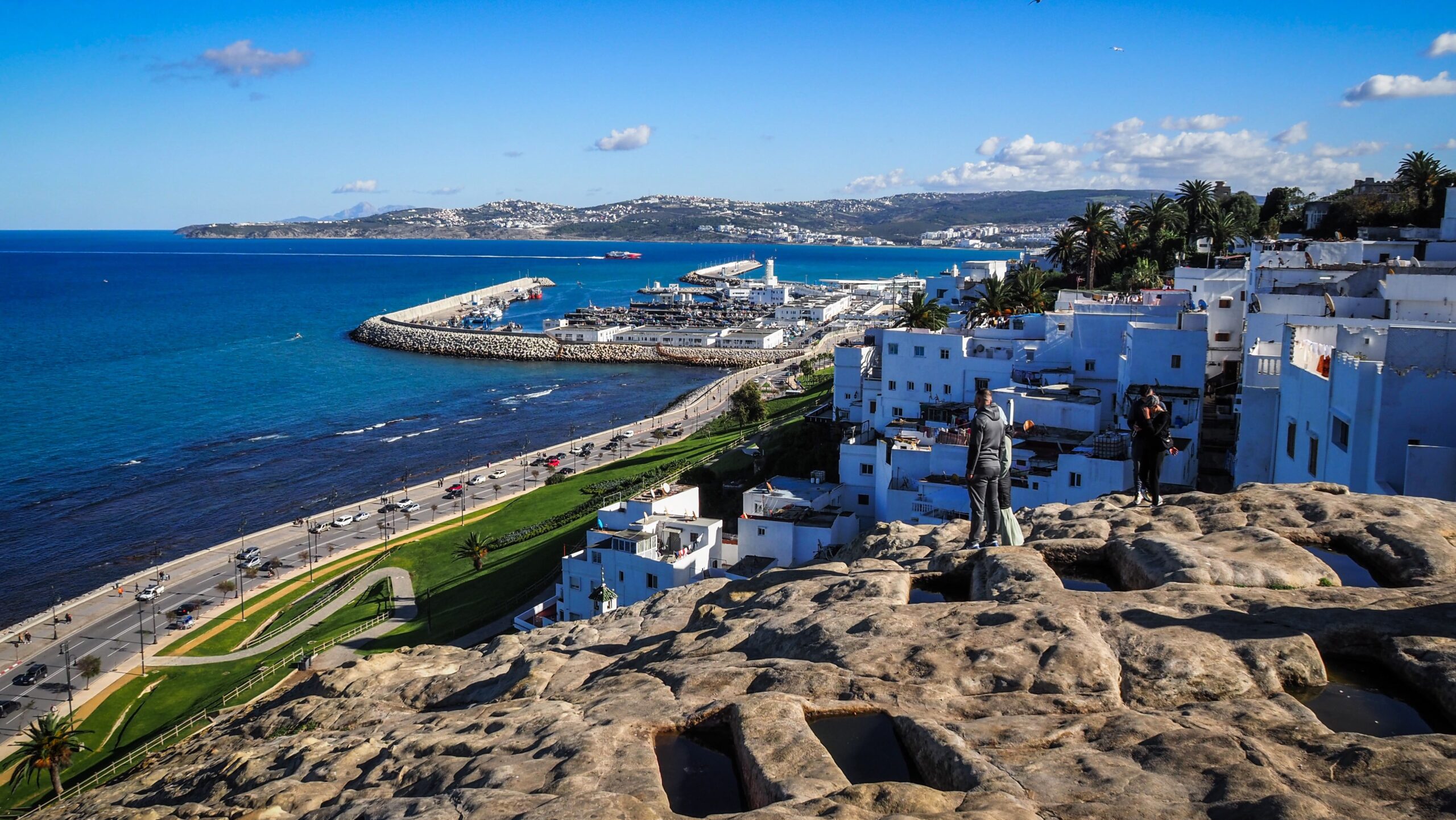
Tangier is one of Morocco’s most strategically important growth markets.
Its real estate story is linked to infrastructure, logistics, port activity, diaspora capital, proximity to Europe and the wider growth of northern Morocco.
Tangier’s appeal is no longer only lifestyle or coastal positioning. It is increasingly tied to Morocco’s industrial and logistics expansion, especially around Tanger Med and the northern economic corridor.
This gives Tangier a stronger structural story than many coastal markets.
But growth markets also attract speculation.
When infrastructure narratives become popular, land prices and apartment prices can move ahead of actual rental or end-user demand. Investors need to distinguish between genuine urban growth and projects priced mainly on future expectations.
Investor read: Tangier offers one of Morocco’s strongest growth narratives, but project selection and entry price are critical.
Agadir and Coastal Markets: Lifestyle Demand With Seasonal Exposure
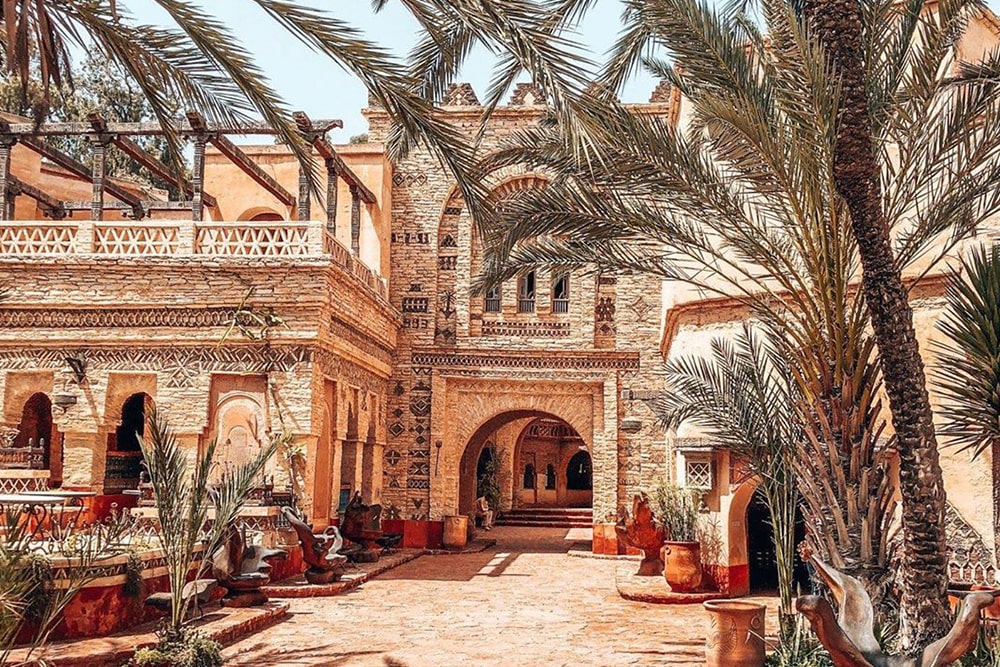
Agadir and other coastal markets offer a more lifestyle-driven investment case.
They can appeal to retirees, second-home buyers, remote workers and domestic tourism demand. Entry prices may be more accessible than in Casablanca, Rabat or prime Marrakech, depending on location and asset quality.
The opportunity is affordability and lifestyle demand.
The risk is seasonality and thinner liquidity.
Coastal markets can perform well when assets are located near beaches, transport links and services. But weaker locations may depend heavily on seasonal demand and can be harder to exit.
Investor read: Coastal markets can offer value, but liquidity and year-round demand must be tested carefully.
World Cup 2030 Is Repricing Expectations
The 2030 FIFA World Cup cycle is becoming a major psychological and investment driver for Moroccan real estate.
Airport upgrades, stadium improvements, transport infrastructure, tourism expansion and hospitality development are all feeding expectations around future demand. The African Development Bank has approved €270 million in financing for airport infrastructure upgrades ahead of the tournament, reinforcing the scale of Morocco’s preparation cycle.
For real estate, this creates two effects.
The first is legitimate: better infrastructure can improve tourism capacity, city connectivity and long-term asset value in selected locations.
The second is speculative: sellers and developers may price assets based on future World Cup upside before that upside is actually delivered.
That distinction is critical.
The World Cup can support real estate demand, but it does not automatically validate every hotel, apartment, villa or land project marketed around 2030.
Investor read: World Cup exposure is valuable only when supported by real infrastructure, operating demand and post-event use.
The Key Market Segments in 2026
Morocco’s real estate market can be divided into several investable segments.
Urban residential. Casablanca and Rabat remain the core markets for long-term housing demand, professional tenants and family buyers.
Tourism-led assets. Marrakech, Agadir and selected coastal areas benefit from tourism, short-term rental demand and lifestyle buyers.
Infrastructure-linked growth markets. Tangier and northern Morocco are supported by logistics, diaspora demand, industrial expansion and proximity to Europe.
Luxury and second homes. Marrakech, Rabat, Tangier and coastal areas attract higher-end buyers, but liquidity can be thinner and more dependent on international sentiment.
Development and off-plan projects. New supply can offer upside, but returns depend on developer execution, legal structure and delivery discipline.
The strongest opportunities are likely to sit where real demand, title clarity, infrastructure and professional execution overlap.
The Risks Investors Should Underwrite
Morocco’s real estate market has opportunities, but investors should not treat it as frictionless.
Price inflation in prime zones. Popular districts can become expensive before rental income justifies the pricing.
Developer execution risk. Off-plan and new-build projects depend on permits, construction quality, delivery timelines and financial discipline.
Liquidity risk. Some assets are easy to buy and difficult to resell, especially in seasonal or overbuilt locations.
Rental regulation and management quality. Short-term rental strategies require operational discipline, legal awareness and professional management.
Title and documentation risk. Clean title, notarial discipline and proper land registration remain essential.
Currency and repatriation planning. Foreign buyers need clean banking documentation and Office des Changes compliance to protect exit liquidity.
World Cup speculation. Event-driven narratives can inflate expectations faster than actual cash flow.
These risks do not make the market unattractive.
They define the difference between speculative buying and institutional underwriting.
MMO Real Estate Market Dashboard: 2026
Casablanca
Market profile: Corporate liquidity and urban residential demand.
Upside: Strongest depth of employment, services and long-term rental demand.
Risk: High entry prices and lower margin for error.
Investor test: Is the asset priced for actual rental depth or just location prestige?
Rabat
Market profile: Defensive institutional and family market.
Upside: Stability, quality of life and long-term residential demand.
Risk: More limited upside compared with higher-growth cities.
Investor test: Does the asset protect capital while producing realistic yield?
Marrakech
Market profile: Tourism, lifestyle and international visibility.
Upside: Strong brand, hospitality demand and short-term rental potential.
Risk: Tourism-cycle exposure, regulation and micro-location sensitivity.
Investor test: Is the asset operationally viable beyond peak-season demand?
Tangier
Market profile: Infrastructure-backed growth market.
Upside: Port economy, diaspora demand, proximity to Europe and logistics expansion.
Risk: Speculative pricing and uneven project quality.
Investor test: Is the project linked to real urban growth or only future narrative?
Agadir and coastal regions
Market profile: Lifestyle, retirement and second-home demand.
Upside: Affordability and coastal appeal.
Risk: Seasonality, thinner liquidity and uneven year-round rental demand.
Investor test: Can the asset perform outside holiday periods?
What This Means for Investors
The strongest investors in Morocco’s real estate market will not be those who simply buy in the most popular city.
They will be those who match the asset to the demand base.
A Casablanca apartment should be underwritten differently from a Marrakech riad. A Tangier off-plan unit should not be assessed like a Rabat family residence. A coastal villa should not be valued only on summer occupancy.
The correct question is not: “Is Morocco’s real estate market rising?”
The correct question is: “Which local market is supported by real demand, clean title, credible execution and exit liquidity?”
That is where serious returns are made.
Final Perspective
Morocco’s real estate market in 2026 is attractive, but increasingly complex.
The national story is positive: infrastructure investment, tourism growth, diaspora interest, World Cup visibility and urban expansion are all supporting demand.
But the market is not moving evenly.
Casablanca offers liquidity. Rabat offers stability. Marrakech offers international visibility. Tangier offers infrastructure-backed growth. Coastal markets offer lifestyle appeal.
Each comes with a different risk profile.
National momentum creates interest. Local fundamentals determine returns.
For investors, that is the central rule of Moroccan real estate in 2026.