

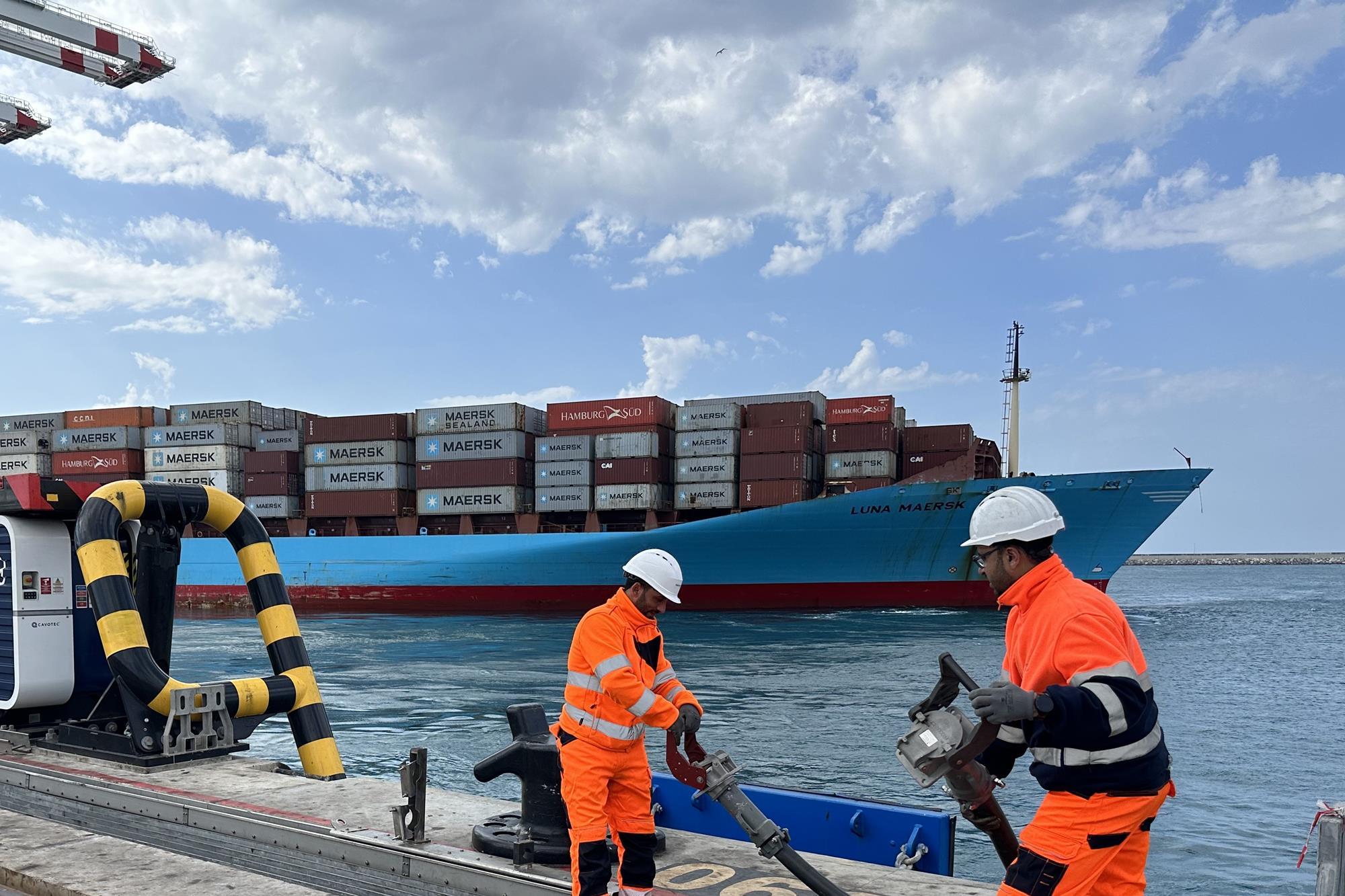
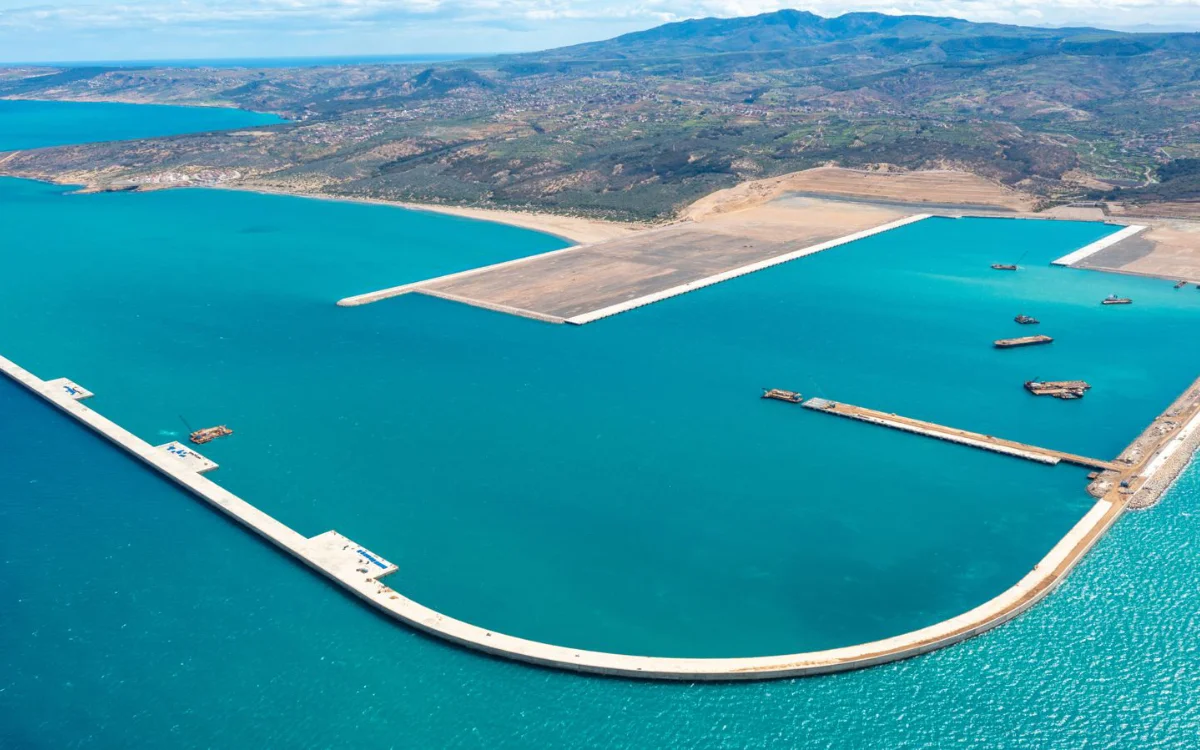
Nador West Med is set to become one of Morocco’s most important infrastructure tests before the end of the decade.
The deepwater port, under construction on Morocco’s Mediterranean coast, is expected to open in the fourth quarter of 2026 with an initial annual capacity of 5 million containers and 35 million tonnes of liquid and dry bulk cargo. The project has been described as a $5.6 billion facility, with long-term expansion potential toward 12 million containers.
For Morocco, the project is more than another port.
It is an attempt to build a second major Mediterranean industrial-logistics platform after Tanger Med, expand national port capacity, support the Oriental region and add a strategic energy layer through planned LNG and hydrocarbons infrastructure.
The ambition is clear.
The question is whether Nador West Med can move from infrastructure asset to functioning economic ecosystem.
A Second Mediterranean Port Engine
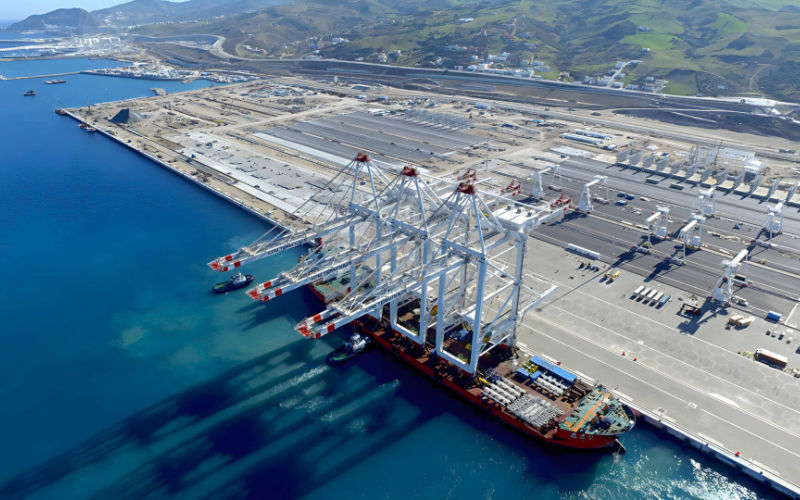
Tanger Med has already shown how port infrastructure can reshape Morocco’s position in global trade.
Nador West Med is not designed to replace that model. It is designed to extend it.
Located in the north-east of Morocco, near major Mediterranean shipping routes, the port is intended to support container traffic, bulk cargo, hydrocarbons, energy flows, logistics services and industrial activity.
That gives the project a different strategic role from a conventional port.
It is not only about moving goods.
It is about creating an integrated industrial and logistics platform capable of attracting operators, factories, storage facilities, energy infrastructure and trade-linked services.
For Morocco, that matters because a multi-port strategy can reduce concentration risk and support regional development beyond the Tangier-Casablanca axis.
The Capacity Story
The project’s headline numbers are significant.
Nador West Med is expected to open with capacity for 5 million containers per year, alongside 35 million tonnes of liquid and dry bulk cargo. Long-term plans point to potential expansion toward 12 million containers, with additional liquid bulk capacity.
Those figures place the port among Morocco’s most ambitious infrastructure projects.
But capacity alone does not create economic value.
A port becomes transformative only when container terminals, bulk terminals, energy infrastructure, roads, rail links, industrial zones, customs systems and private operators work together.
That is the real test for Nador West Med.
Its value will depend less on nominal capacity and more on utilisation, connectivity and industrial uptake.
Industrial Zones as the Real Economic Multiplier
The port’s long-term impact will depend heavily on the industrial and logistics zones around it.
The African Development Bank has supported the development of activity zones linked to Nador West Med, including the port business park project designed to create industrial and logistics space around the new complex. The AfDB approved a €120 million loan to support development of the zone, and Reuters reported that AfDB financing for Nador West Med-related projects had reached €489.8 million.
This matters because the port alone is not the full investment case.
The real economic value comes from what forms around it:
- logistics parks
- warehousing
- industrial processing
- bulk storage
- energy infrastructure
- export platforms
- maintenance and maritime services
- regional supply-chain activity
If those zones attract credible operators and manufacturers, Nador West Med can become a development engine for the Oriental region.
If they remain underutilised, the port risks becoming a high-capacity asset without enough surrounding economic density.
The Oriental Region Development Test
Nador West Med is especially important because of where it is located.
Morocco’s most visible economic corridors have traditionally been concentrated around Tangier, Casablanca, Rabat and Kenitra. Nador West Med gives the Oriental region a chance to become more deeply integrated into national and international trade flows.
That could matter for employment, logistics, industrial development and regional investment.
The project can help shift the Oriental region from a peripheral position toward a more strategic role in Morocco’s economic geography.
But regional development is not automatic.
To create lasting impact, the port must be connected to inland transport, labour markets, industrial land, energy networks and private-sector demand.
The development question is therefore not only whether the port opens.
It is whether the region around it becomes investable.
Energy Infrastructure and the LNG Question
One of Nador West Med’s most strategically sensitive layers is energy.
The port has been linked to Morocco’s plans for a liquefied natural gas terminal. Reuters has reported that the project was designed to host Morocco’s first LNG terminal, including a floating storage and regasification unit linked by pipeline to industrial hubs in the northwest.
That energy role could be important.
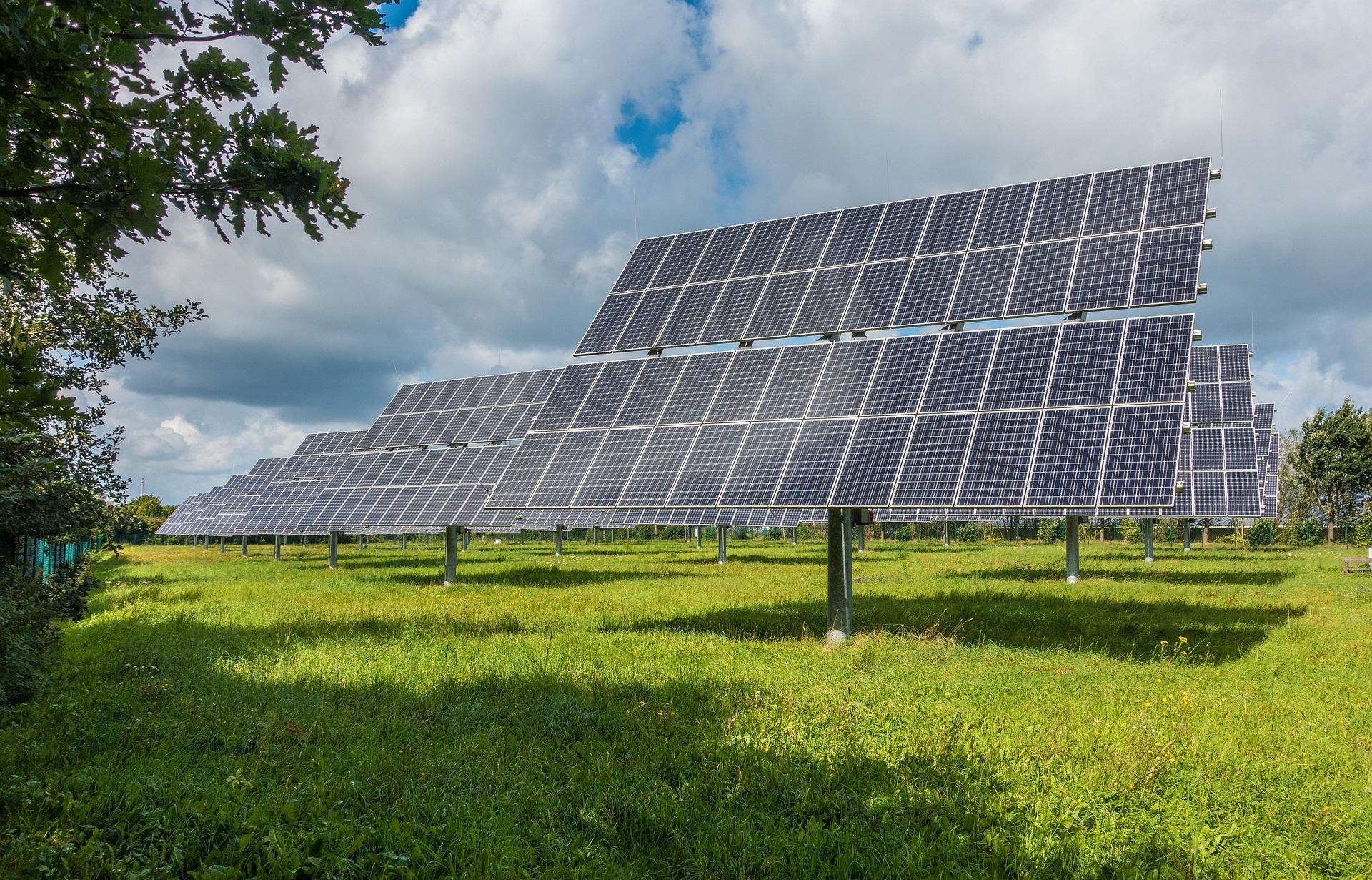
Morocco has been working to diversify away from coal while expanding renewable energy. Natural gas could serve as a transition fuel for power generation and industry, while also improving energy flexibility.
But the LNG component also shows why execution risk matters.
In February 2026, Morocco’s energy ministry paused tenders for an LNG terminal and related gas pipeline projects at Nador West Med, citing “new parameters and assumptions” linked to the project.
That does not eliminate the energy opportunity.
But it does show that the timing, structure and financing of the LNG layer remain critical variables.
For investors, the lesson is clear: Nador West Med should be viewed as a port, industrial and energy platform — but each layer has its own execution timeline.
A Logistics Platform, Not Just a Port
Nador West Med’s long-term competitiveness will depend on how efficiently cargo can move beyond the quay.
A deepwater port can attract shipping lines. But to create durable value, it must also connect to roads, rail, industrial zones, storage, customs systems and final markets.
That is where the project becomes more complex.
The port must prove that it can support:
container transshipment
bulk cargo handling
energy imports
industrial logistics
regional distribution
export-oriented manufacturing
hinterland connectivity
The strongest port projects are not judged only by berth depth or container capacity.
They are judged by how quickly and reliably goods move from ship to factory, warehouse or inland market.
That will be one of the core tests for Nador West Med after opening.
How It Complements Tanger Med
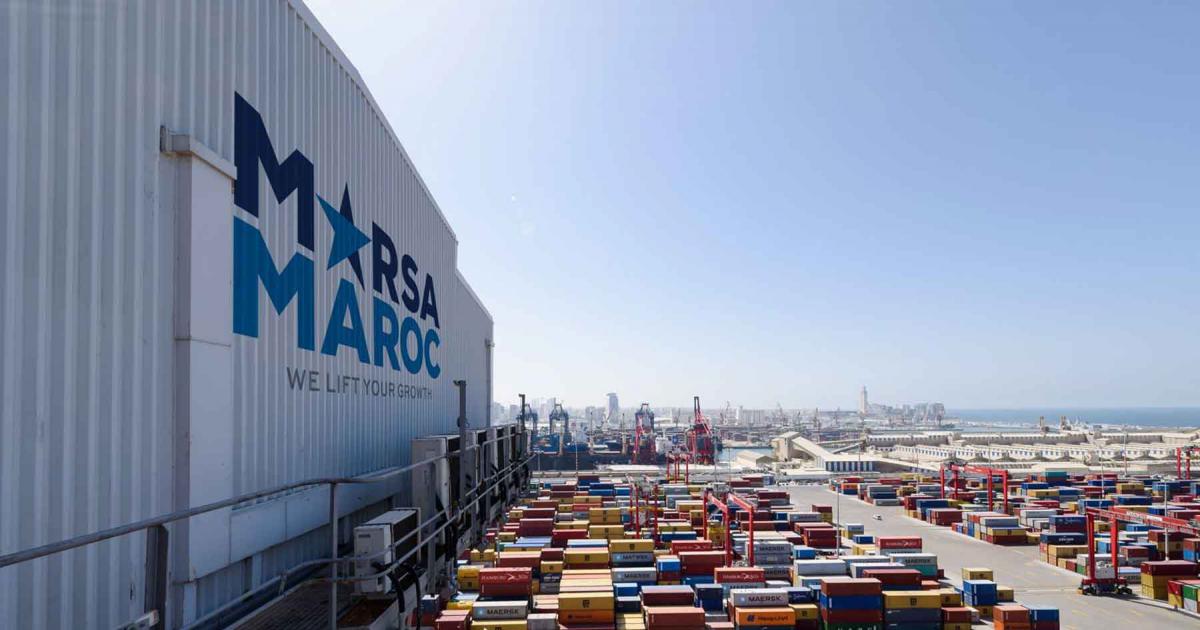
Nador West Med will inevitably be compared with Tanger Med.
That comparison is useful, but only up to a point.
Tanger Med is already a proven global logistics and industrial platform. Nador West Med is entering its first operational phase and still needs to build utilisation, operators, industrial density and hinterland integration.
The better way to view the project is as a complement to Tanger Med rather than a direct replica.
Tanger Med gives Morocco proven scale.
Nador West Med gives Morocco additional Mediterranean capacity, regional diversification, energy optionality and a new industrial development anchor in the east.
If successful, the two ports could strengthen Morocco’s ability to serve global shipping, European supply chains, African trade flows and energy markets through a broader port system.
That would make Morocco’s maritime strategy more resilient.
The Competitive Context
The Western Mediterranean is a competitive port environment.
Spain, southern Europe, North Africa and other Mediterranean logistics hubs are all competing for container flows, energy infrastructure, industrial investment and transshipment activity.
Nador West Med enters this environment with major advantages: location, deepwater capacity, state backing and integration into Morocco’s long-term port strategy.
But competition will be intense.
Shipping lines and industrial operators will not commit based on infrastructure alone. They will look at cost, reliability, customs efficiency, hinterland access, land availability, labour, energy and terminal performance.
For Nador West Med, the strategic challenge is therefore commercial.
It must convert national ambition into operator confidence.
MMO Nador West Med Project Dashboard: 2026
Port capacity
Strategic upside: initial capacity of 5 million containers and 35 million tonnes of liquid and dry bulk cargo.
Execution risk: nominal capacity must be matched by utilisation, terminal efficiency and shipping-line commitments.
Investor test: does the port attract stable cargo flows and credible operators after opening?
Industrial and logistics zones
Strategic upside: activity zones can turn port capacity into factories, warehouses, processing and export platforms.
Execution risk: industrial land must be serviced, priced competitively and connected to labour and utilities.
Investor test: are companies committing to the zone, or is the project still mainly infrastructure-led?
Energy and LNG layer
Strategic upside: potential LNG and hydrocarbons infrastructure could improve Morocco’s energy flexibility.
Execution risk: LNG and pipeline tenders have faced delays, showing that the energy layer is still evolving.
Investor test: is the energy infrastructure financed, permitted and aligned with national demand?
Oriental region development
Strategic upside: the port can anchor new investment in the north-east and reduce concentration around older corridors.
Execution risk: regional impact depends on transport links, skills, services and private-sector uptake.
Investor test: does the project create a real industrial ecosystem or remain a standalone port asset?
Tanger Med complementarity
Strategic upside: Nador West Med can diversify Morocco’s Mediterranean port capacity and strengthen national maritime resilience.
Execution risk: the port must define its own commercial role rather than rely on comparison with Tanger Med.
Investor test: what cargo, industry or energy flows make Nador West Med uniquely competitive?
What This Means for Investors and Businesses
Nador West Med creates opportunities across logistics, energy, industrial services, storage, construction, port operations, maintenance, bulk handling and regional distribution.
But the project should be underwritten carefully.
The strongest opportunities will likely sit where port access is matched by real operational demand.
Investors should ask:
Are terminal operators and shipping lines committed?
Is industrial land ready and connected?
Are road, rail and utility links operational?
Is the LNG and energy component moving on a clear timeline?
Can the Oriental region supply the labour and services needed?
Is the business case based on actual cargo flows or future expectations?
These questions matter because Nador West Med is not just an infrastructure project.
It is a test of Morocco’s ability to turn a major port into an economic ecosystem.
Final Perspective
Nador West Med is one of Morocco’s most important development projects before 2030.
It has the scale, location and strategic logic to become a second Mediterranean engine for Moroccan trade, industry and energy.
But the project’s success will not be determined by opening day alone.
It will be determined by what happens after the port becomes operational: cargo utilisation, industrial-zone uptake, energy infrastructure delivery, regional integration and private-sector confidence.
Capacity creates potential. Connectivity creates movement. Industrial uptake creates value. Execution creates legacy.
That is the real test of Nador West Med.