

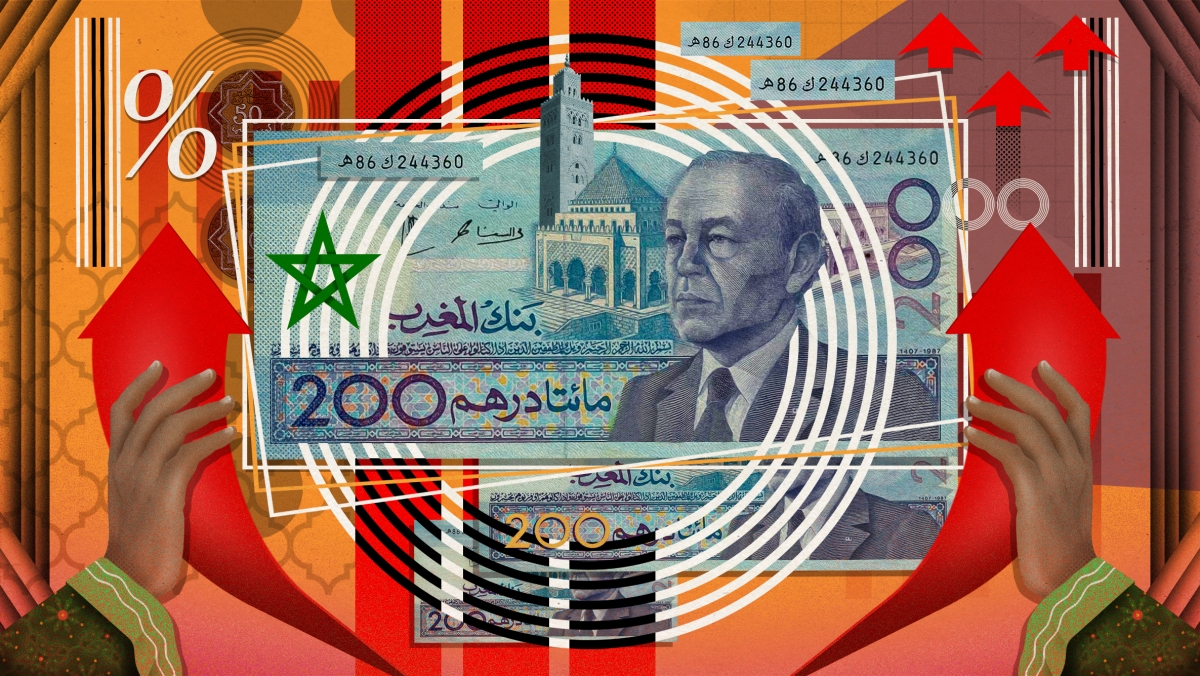
Morocco’s future economy is being shaped by a new generation of projects that go beyond traditional infrastructure expansion.
In 2026, the country’s growth model is increasingly tied to a strategic question: can Morocco convert airports, ports, renewable energy, desalination, industrial zones, electric mobility and tourism capacity into a more resilient and higher-value economy?
The ambition is clear.
Morocco wants to move from a development model based on location and infrastructure toward one built on industrial depth, energy transition, logistics scale and export competitiveness.
But the next phase will be more demanding than the last.
Building infrastructure is one stage. Turning that infrastructure into productivity, jobs, exports and long-term investment returns is the harder test.
The Future Economy Is Being Built Around Corridors
Morocco’s future growth will not be spread evenly across the country.
It is likely to concentrate around economic corridors where infrastructure, industrial policy and market access overlap.
Tangier-Tetouan-Al Hoceima remains the logistics and export corridor, anchored by Tanger Med and northern industrial platforms.
Kenitra is becoming more important for automotive, electric mobility and battery-related investment.
Casablanca-Nouaceur remains central for aerospace, finance, corporate services and higher-value industrial activity.
Rabat-Casablanca forms the administrative, financial and services axis.
Agadir and southern regions matter for tourism, agribusiness, fisheries, renewable energy and Atlantic-facing development.
For investors, this means Morocco’s future economy should be read through corridors, not just national averages.
The key question is not only which sector is growing.
It is where that sector has the infrastructure, labour, utilities and approvals to scale.
Airports and the World Cup Investment Cycle
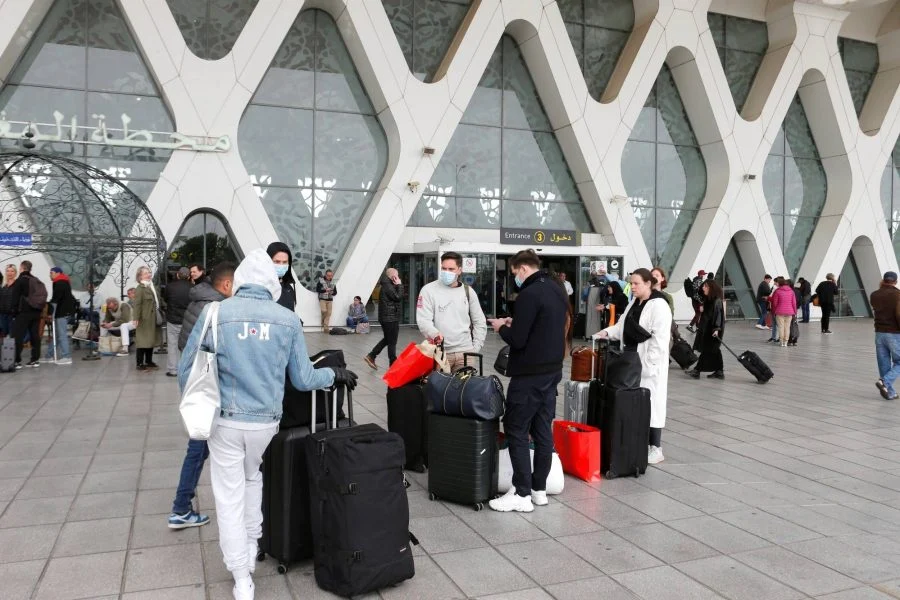
One of the most visible parts of Morocco’s future economy is the infrastructure cycle linked to the 2030 FIFA World Cup, which Morocco will co-host with Spain and Portugal.
The airport programme is central to that cycle. Morocco has outlined plans to raise national airport capacity to 80 million passengers by 2030, with a major expansion programme estimated at 38 billion dirhams. The African Development Bank has also approved €270 million in financing for airport infrastructure upgrades ahead of the tournament.
For Morocco, this is not only about tourism.
Expanded airports can improve business travel, conference capacity, regional connectivity, diaspora access and investor mobility.
For construction, hospitality, transport and urban development companies, the World Cup cycle creates a measurable capital-spending opportunity.
But the investment case depends on post-event utility.
The strongest projects will be those that serve long-term passenger demand, urban mobility and tourism capacity beyond 2030 — not only the tournament itself.
Tanger Med and the Logistics Platform
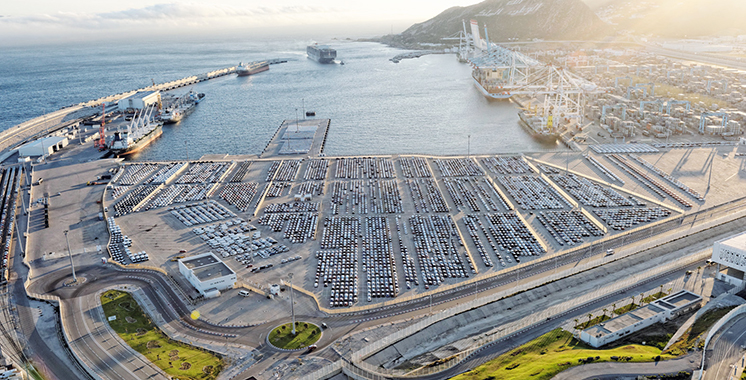
Tanger Med remains one of Morocco’s defining future-economy assets.
The port complex has already given Morocco a trade platform with global weight. Its next challenge is to deepen the industrial and logistics ecosystem around it.
That means more than container movement.
The opportunity lies in warehousing, cold-chain logistics, customs-linked services, automotive suppliers, export processing, distribution platforms and manufacturing connected to maritime routes.
For companies looking to serve Europe, Africa and the Mediterranean, Morocco’s logistics advantage is valuable because it combines port access with industrial zones.
The execution test is whether inland logistics, serviced land, customs efficiency and labour depth can keep pace with demand.
Tanger Med made Morocco visible in global trade.
The next phase is about turning that visibility into more value-added activity.
Electric Mobility and Battery Manufacturing
Morocco’s industrial future is increasingly tied to electric mobility.
The country already has a strong automotive base, but the next stage is about moving further into the EV supply chain.
China’s Gotion High-Tech signed an investment deal for a $1.3 billion EV battery plant in Kenitra, with production expected in 2026 and potential expansion toward a much larger battery platform. Reuters has reported that the project could eventually reach 100 GWh and total investment of up to $6.5 billion.
Other battery-component projects also matter. Chinese EV battery maker BTR announced a 3 billion dirham cathode plant in Morocco, with first output expected in 2026 and planned production capacity of 50,000 tonnes.
These projects could shift Morocco’s industrial profile.
The country is no longer only competing for vehicle assembly. It is trying to position itself in battery materials, components and electric mobility supply chains.
For investors, the opportunity is significant.
The risk is equally clear: battery manufacturing requires specialised technical talent, reliable utilities, supplier depth, logistics performance and long-term demand from EV markets.
Morocco’s EV opportunity will be judged by execution, not announcements.
Renewable Energy and Green Hydrogen
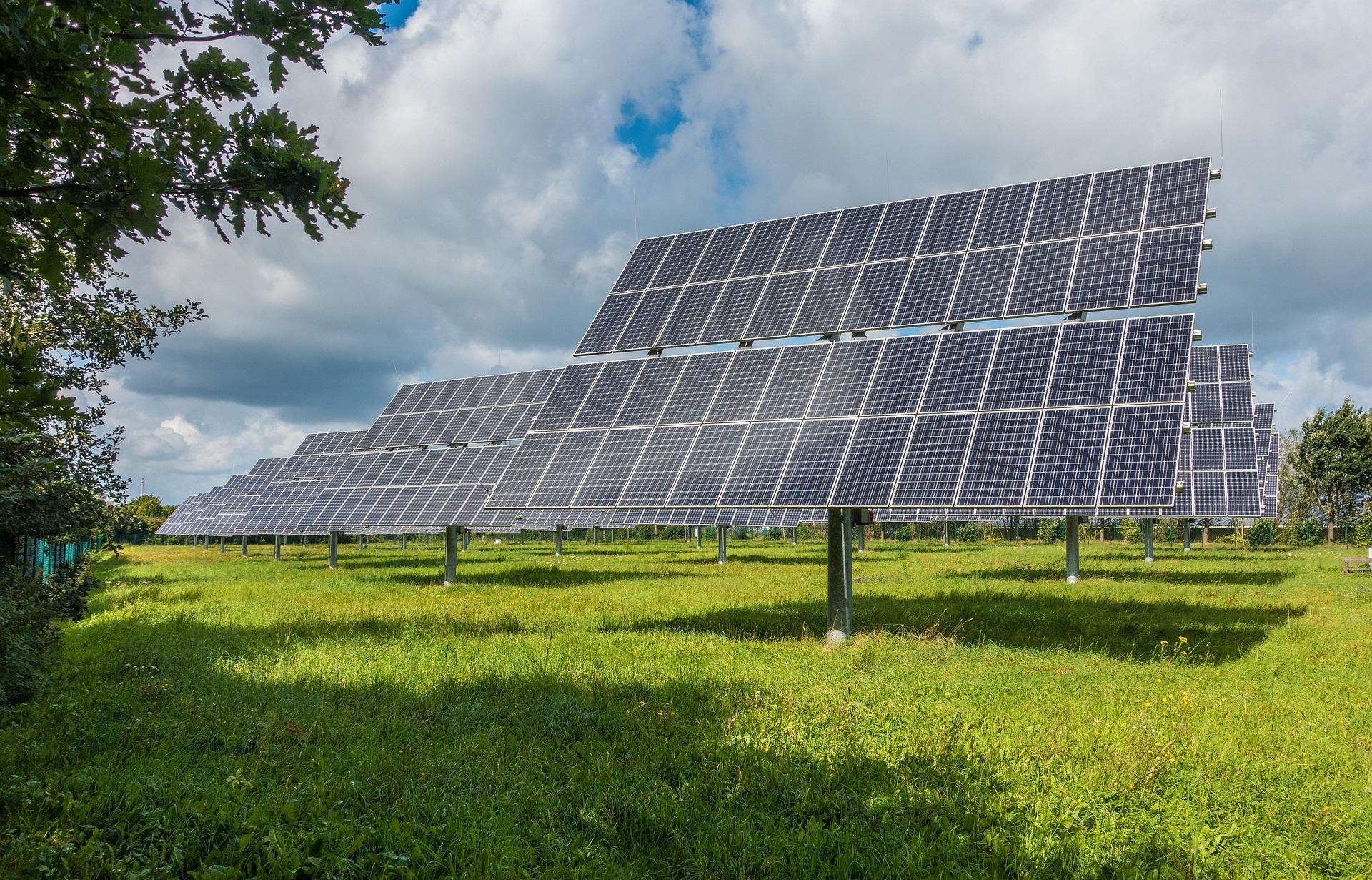
Renewable energy is becoming part of Morocco’s industrial competitiveness.
For years, solar and wind were viewed mainly through the lens of energy security and sustainability. In 2026, they are increasingly tied to export competitiveness, green industry and Europe-linked supply chains.
The “Morocco Offer” for green hydrogen is one of the country’s most ambitious future-economy initiatives. In 2026, Morocco moved forward with land allocation for selected green hydrogen projects under that framework, including preliminary land reservation agreements involving national and international investors.
The strategic logic is clear.
If Morocco can combine renewable energy, desalinated water, industrial land and export access, it could become a competitive platform for green hydrogen, green ammonia, synthetic fuels and lower-carbon industrial production.
But this is also one of the most difficult sectors to execute.
Green hydrogen projects require massive capital, bankable offtake agreements, water planning, grid integration, port access and long development timelines.
The opportunity is transformative.
The risk is that ambition runs ahead of commercial viability.
Desalination and Water Security
Water is becoming one of the most important economic variables in Morocco’s future.
After years of drought pressure, water security is no longer only an environmental issue. It is a constraint on agriculture, tourism, industry, urban growth and green hydrogen.
Morocco is responding through large-scale desalination.
The Casablanca seawater desalination plant is one of the most important projects in this strategy. Its first phase is planned with capacity of 548,000 cubic metres per day, expandable to 822,000 cubic metres per day, with total annual production capacity expected to reach 300 million cubic metres.
For investors, desalination changes the risk profile.
Industrial and tourism projects connected to secure water infrastructure are more resilient than projects exposed to stressed groundwater or uncertain local supply.
In Morocco’s future economy, water planning will increasingly determine where growth can happen safely.
Tourism, Urban Development and the 2030 Timeline
Tourism remains a major part of Morocco’s future economy.
The 2030 World Cup cycle is likely to accelerate investment in hotels, serviced apartments, airports, stadium areas, transport, public spaces and destination upgrades.
But the opportunity should not be viewed only through the tournament.
Morocco’s longer-term tourism strategy depends on improving capacity, service quality, regional diversification and air connectivity.
Marrakech will remain internationally visible. Casablanca and Rabat benefit from business, events and institutional demand. Tangier is gaining from infrastructure and proximity to Europe. Agadir and coastal regions remain important for leisure, retirees and long-stay visitors.
For investors, the key is to distinguish between genuine demand and event-cycle speculation.
The best tourism and urban projects will be those that remain useful after 2030.
Technology and Digital Services
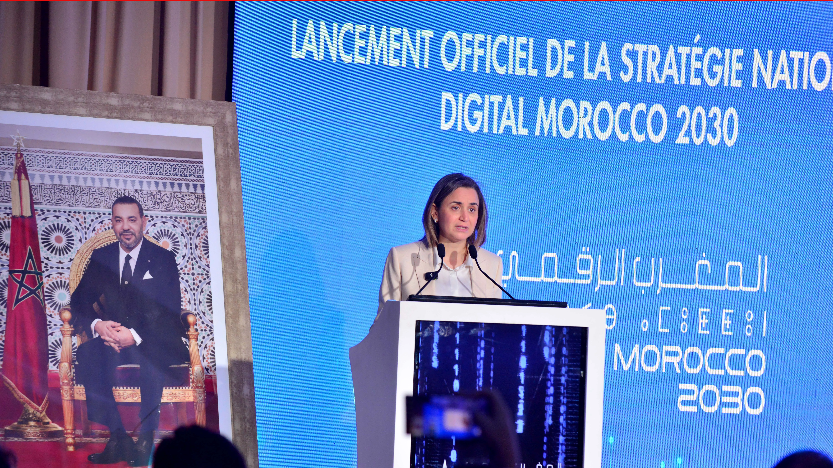
Morocco’s future economy will not be defined only by physical infrastructure.
Digital services, outsourcing, fintech, e-government, logistics technology, cybersecurity, education technology and business process services are likely to become more important.
The advantage is Morocco’s young workforce, multilingual capacity and proximity to European clients.
The constraint is talent depth.
Advanced digital services require technical training, language ability, management standards and scalable operating platforms.
For Morocco, the digital sector offers a way to create higher-value jobs beyond heavy infrastructure and manufacturing.
But it will require stronger talent pipelines and more competitive private-sector execution.
High-Value Agriculture and Food Systems
Agriculture remains important to Morocco, but the future is not only about traditional output.
The more strategic opportunity is high-value agriculture, irrigation efficiency, cold-chain logistics, food processing, export quality and climate-resilient production.
Water scarcity makes this transition urgent.
The future of Moroccan agriculture will depend on producing more value with less water, improving logistics, and integrating better with export markets.
For investors, opportunities may exist in irrigation technology, agro-processing, packaging, cold-chain infrastructure and export-oriented food systems.
The risk is climate exposure.
Any agricultural investment must now be underwritten against water access, energy cost and drought resilience.
MMO Future Economy Dashboard: 2026
Airport and World Cup infrastructure
Upside: tourism capacity, business travel, construction, logistics and urban upgrades.
Risk: event-cycle overpricing and post-2030 utilisation gaps.
Investor test: does the project serve long-term demand beyond the tournament?
Electric mobility and batteries
Upside: higher-value industrialisation, EV supply chains and Europe-linked manufacturing.
Risk: technical talent, utility readiness and global EV demand cycles.
Investor test: is the project connected to real suppliers, skills and export markets?
Green hydrogen and renewable energy
Upside: lower-carbon industry, export potential and strategic energy positioning.
Risk: bankability, offtake agreements, water needs and long payback periods.
Investor test: does the project have secured land, energy, water and credible buyers?
Desalination and water infrastructure
Upside: resilience for cities, industry, tourism and agriculture.
Risk: high capital cost, energy intensity and distribution bottlenecks.
Investor test: is the project connected to secured water infrastructure or exposed to scarcity?
Logistics and trade platforms
Upside: Tanger Med, export corridors and Europe-Africa supply chains.
Risk: land pressure, customs execution and inland connectivity.
Investor test: can goods move efficiently from production site to export route?
Digital services
Upside: youth, multilingual capacity and proximity to Europe.
Risk: talent depth and management scalability.
Investor test: can the workforce support export-grade service delivery?
What This Means for Investors and Businesses
Morocco’s future economy offers opportunities across infrastructure, industry, energy, water, tourism, logistics and digital services.
But investors should avoid treating all future projects as equal.
The strongest opportunities will share several characteristics:
- clear policy support
- real infrastructure readiness
- credible demand
- secured utilities
- skilled labour availability
- bankable financing
- execution capacity
The weakest opportunities will be those built mainly on narrative, branding or future expectation without operational depth.
For investors, the key question is not whether Morocco has a strong future story.
It does.
The key question is which projects can convert that story into cash flow, exports, jobs and long-term value.
Final Perspective
Morocco’s future economy is not defined by a single mega-project or sector.
It is being shaped by the interaction between infrastructure, industrial upgrading, renewable energy, water security, logistics, tourism and digital services.
That makes the opportunity broader — but also more complex.
The country is moving from an infrastructure-building phase toward an execution-testing phase.
Vision creates direction. Projects create capacity. Execution creates economic value.
That is the real test of Morocco’s future economy in 2026 and beyond.