

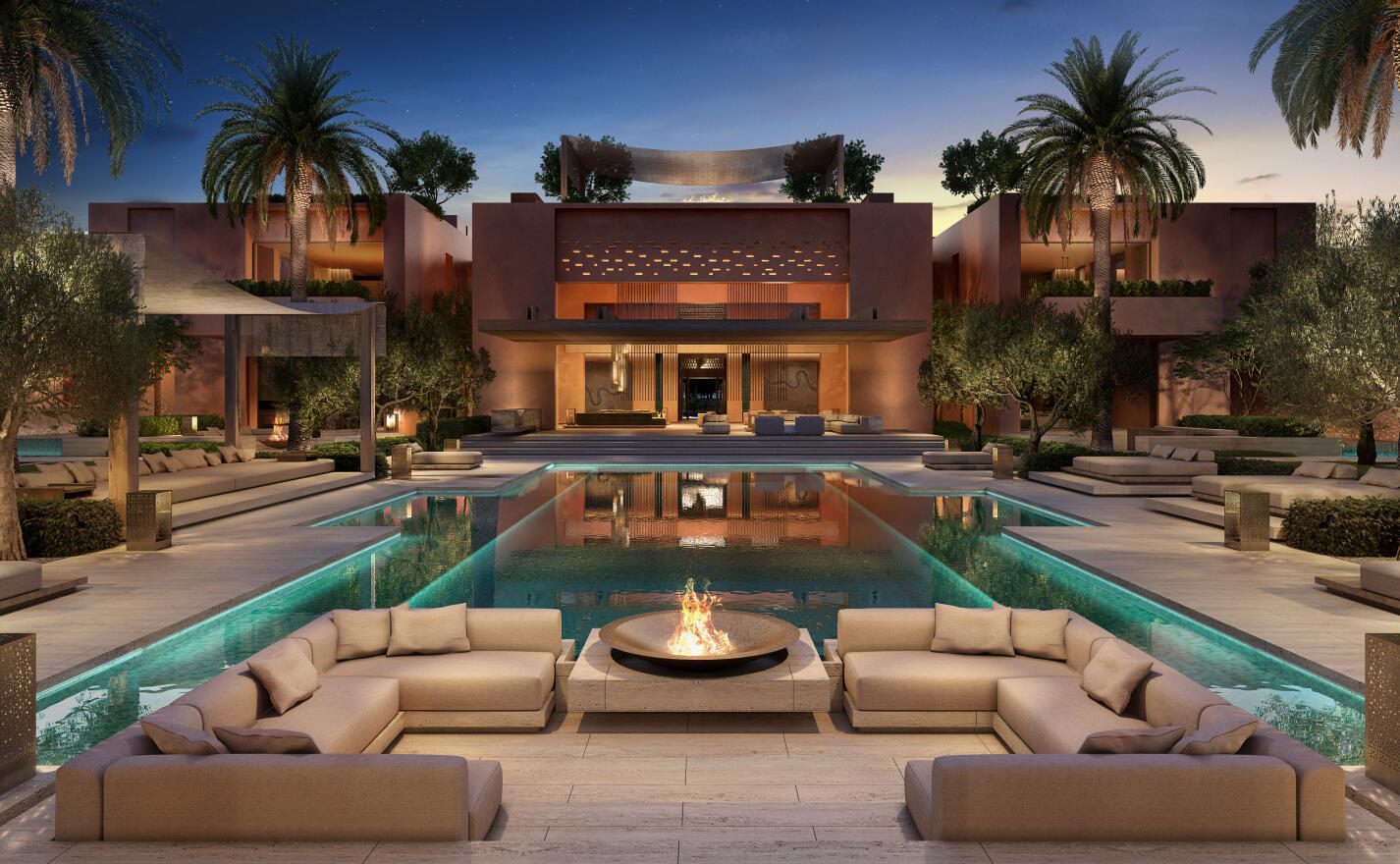
Morocco’s luxury property market is moving beyond one-off villas and lifestyle purchases. The next institutional phase is product design: branded residences, serviced villas, rental pools, hospitality-linked management and legally structured ownership models.
The global benchmark is already moving fast. Savills reports that branded residence schemes are expected to rise from 764 in December 2024 to 910 by the end of 2025, a 19% year-on-year increase. The category is expanding because wealthy buyers increasingly want service, management, brand assurance, rental optionality and exit liquidity — not only square metres.
Global Branded Residence Signal
Schemes in December 2024: 764
Expected schemes by end-2025: 910
Year-on-year growth: 19%
New countries entering the category in 2025: 25
Core buyer demand: service, brand, management, security, rental structure
Morocco’s national real estate baseline remains stable rather than overheated. Bank Al-Maghrib and ANCFCC reported a 1.1% quarterly increase in the Real Estate Asset Price Index in Q3 2025, while transactions rose 14% from the previous quarter. That combination supports a selective thesis: broad national prices are not exploding, but rare, professionally managed premium assets can outperform.
The high-alpha question is not whether wealthy buyers want Moroccan luxury. They already do. The question is whether developers can convert fragmented villa demand into institutional-grade residential products with service contracts, rental governance, brand discipline and resale credibility.
The Disruption: Luxury Buyers Are No Longer Buying Only Houses
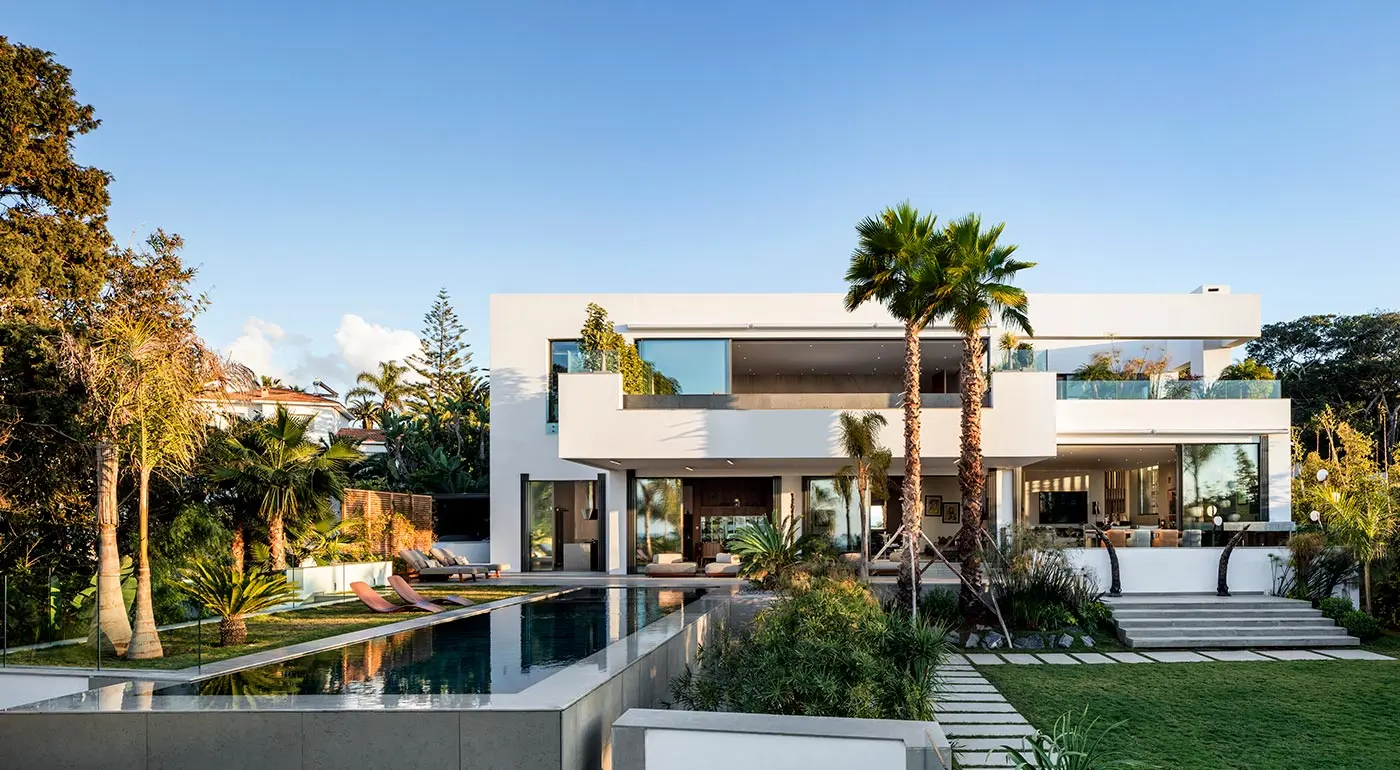
Morocco’s high-end real estate market has historically been built around private villas, riads, golf homes and coastal apartments. These assets can still perform well, but they remain highly dependent on individual owner management, local agents, informal staff networks and uneven maintenance standards.
That model is increasingly misaligned with the new buyer profile. HNWIs, returning diaspora families, Gulf buyers, European entrepreneurs and internationally mobile executives do not only want attractive property. They want reliable ownership architecture.
Buyer demand shift
Old model: villa, agent, informal staff, owner-managed maintenance
New model: branded asset, service agreement, rental pool, security, concierge, professional maintenance
Institutional value: predictable operating standards and cleaner resale narrative
Execution risk: service costs, governance, owner-use rules and brand delivery
The market is moving from aesthetic luxury to operational luxury. For developers, that means the product is no longer only the building. The product is the management system around the building.
Morocco’s Product Gap: Beauty Without Institutional Governance
Morocco has strong luxury fundamentals: Marrakech’s global recognition, Tangier’s Europe-facing coastal position, Rabat’s defensive family market and Casablanca’s corporate liquidity. The weakness is not demand; it is standardisation.
Many premium assets still trade as bespoke properties rather than institutional products. That creates friction for foreign buyers who need title clarity, service reliability, transparent charges, rental reporting, maintenance standards, insurance, tax documentation and professional management.
Operational friction map
HNWI demand
Fragmented villa stock
Uneven management quality
Limited rental reporting
Weak service standardisation
Lower resale confidence
Institutional product opportunity
The opportunity is to convert high-end Moroccan property into managed residential inventory that can be underwritten by family offices, private banks and institutional investors.
Marrakech: Yield and Leisure Anchor
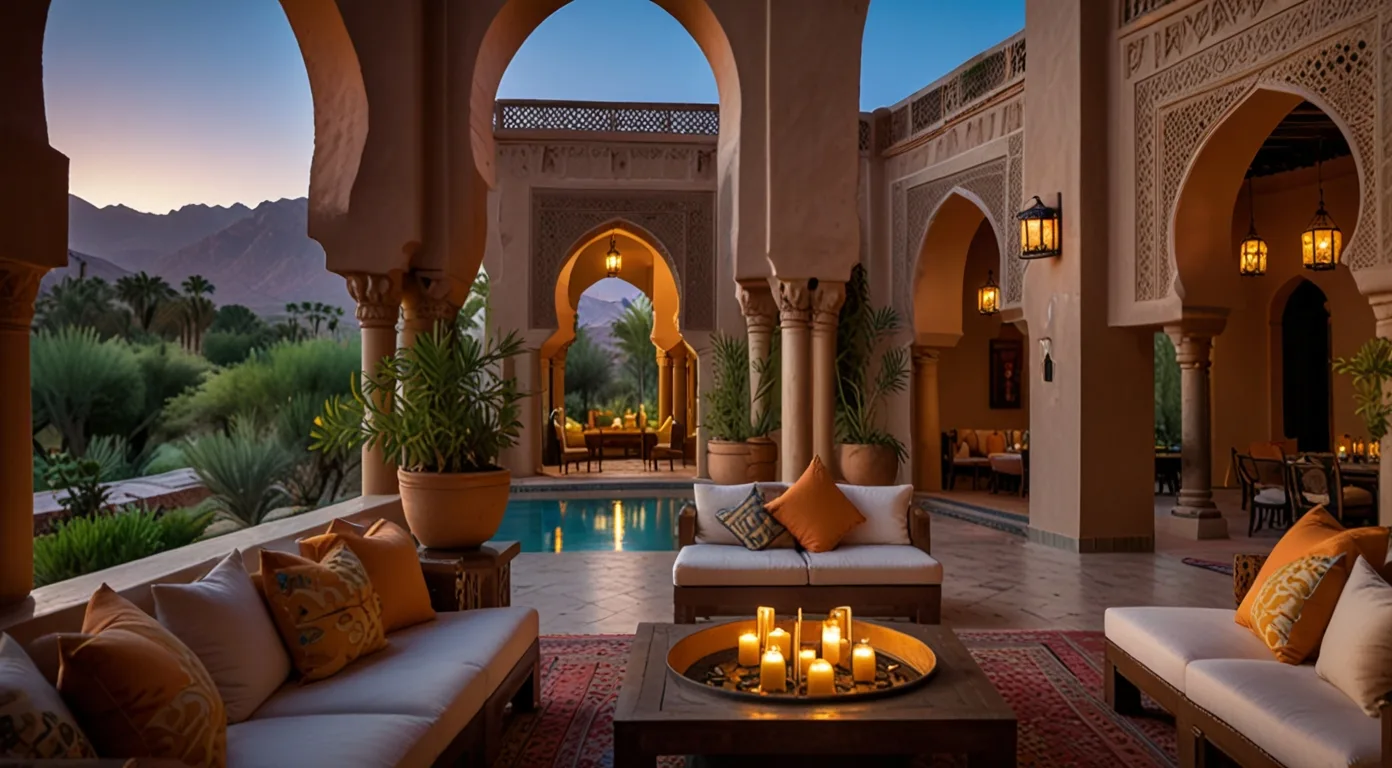
Marrakech remains Morocco’s strongest luxury-leisure market. Its villa communities, golf estates, restored riads, boutique hotels and hospitality depth already create the foundations for branded and serviced residential products.
The city’s advantage is international demand. The risk is operational inconsistency. A villa can command premium pricing during high season but underperform if staffing, maintenance, guest service, security, rental management and owner-use rules are not professionalised.
Marrakech asset logic
Core demand: luxury leisure, golf, wellness, short stays, international buyers
Best product fit: branded villas, serviced residences, hospitality-linked rental pools
Revenue channel: nightly rental yield, owner use, concierge services, events
Execution test: occupancy outside peak seasons and transparent net-yield reporting
Marrakech can support institutional product design because it already has the hospitality ecosystem. The next step is converting that ecosystem into bankable residential structures.
Tangier: Transnational Mobility Product
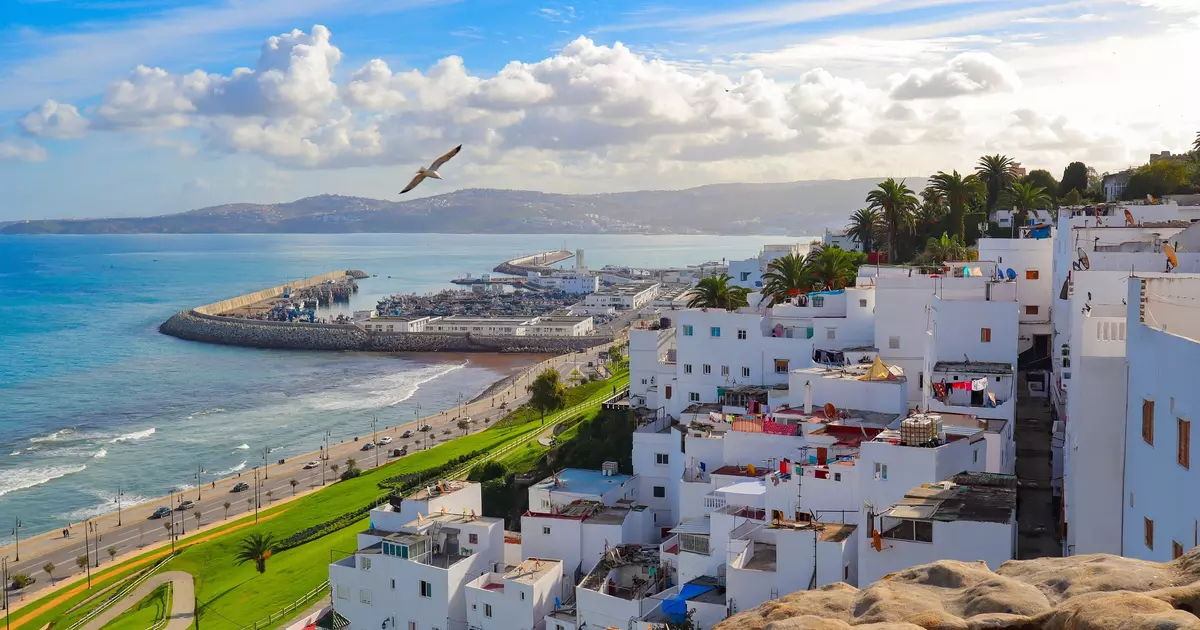
Tangier is a different luxury market. Its value is built around Spain proximity, northern industrial growth, port connectivity, diaspora demand and a coastal lifestyle that can serve both Morocco and Europe.
The strongest product is not necessarily a resort villa. It is a managed, secure, serviceable residence that appeals to mobile professionals, diaspora families and Europe-facing buyers.
Tangier asset logic
Core demand: diaspora mobility, Spain proximity, corporate travel, coastal living
Best product fit: serviced apartments, branded coastal residences, managed family bases
Revenue channel: mid-term rentals, diaspora use, executive stays, premium leasing
Execution test: building maintenance, parking, security, fibre connectivity and management quality
Tangier’s opportunity lies in turning fragmented coastal demand into professionally managed residential stock. Without service standards, the city risks cosmetic luxury: attractive assets that fail institutional due diligence.
Rabat and Casablanca: Defensive Capital Preservation
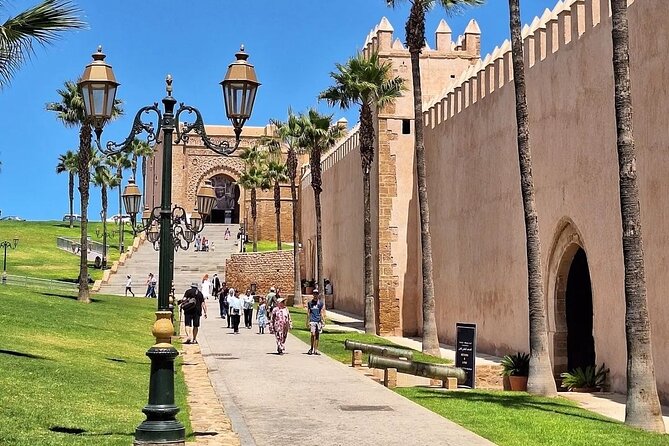
Rabat and Casablanca are less lifestyle-driven than Marrakech and Tangier, but they matter for capital preservation. Rabat offers diplomatic presence, administrative stability, family demand and long-term residential depth. Casablanca offers corporate liquidity, private healthcare, financial-sector demand and stronger exit markets.
For branded residences, these cities require a different product logic. The focus is not holiday yield. It is secure ownership, service quality, location discipline and tenant credibility.
Rabat/Casablanca asset logic
Core demand: executives, diplomats, families, corporate tenants, long-term residents
Best product fit: serviced apartments, branded urban residences, premium managed buildings
Revenue channel: long-term leases, corporate housing, resale liquidity, family occupancy
Execution test: service charges, co-ownership governance, title clarity and corporate tenant demand
The defensive luxury thesis is simpler than the resort thesis: predictable income, lower operational drama and stronger exit liquidity.
Branded Premium: The Value Is in Trust
Globally, branded residences often trade at a premium because buyers pay for trust: developer credibility, operator reputation, service quality, amenity depth, management discipline and perceived resale liquidity. Savills previously reported a global branded residence premium around 33% on an unweighted basis in its 2024/25 analysis.
Morocco should not copy-paste that premium assumption. Local premiums must be earned, not claimed. A Moroccan branded residence can justify premium pricing only if the brand delivers measurable value through design quality, service governance, rental management, maintenance discipline and transparent ownership rules.
Premium underwriting map
Brand promise
Service delivery
Amenity quality
Rental governance
Resale credibility
Net yield support
Premium justification
A logo alone is not a premium. Operational delivery is the premium.
The RICS-Style Valuation Test
Institutional property buyers do not underwrite luxury through emotion. They underwrite asset quality, income reliability, comparable transactions, exit liquidity, operating costs and legal certainty.
That creates a RICS-style valuation discipline for Moroccan luxury developers. A branded or serviced asset must justify pricing through measurable components: net operating income, occupancy assumptions, service-charge structure, reserve funds, operator performance, management agreement duration, title clarity and comparable sales.
Valuation drivers
Gross purchase price
Expected occupancy
Average daily rate or monthly rent
Service charges
Management fees
Reserve fund
Owner-use restrictions
Net operating income
Exit liquidity
Comparable evidence
The Moroccan market will professionalise when buyers can compare luxury assets through income and governance metrics, not only views, finishes and location.
Rental Pools: The Hidden Governance Layer
Rental pools can increase investor confidence, but only if they are transparent.
A branded villa or serviced residence may promise rental income, but the value depends on rules: how revenue is distributed, whether owner usage reduces pool income, who controls pricing, how expenses are allocated, how maintenance is funded and how performance is reported.
Rental pool friction
Revenue allocation
Owner-use calendar
Management fee
Maintenance reserve
Platform fees
Tax declarations
Net yield reporting
Exit rules
This is where many luxury schemes succeed or fail. The best projects turn rental management into a disciplined income system. Weak projects use rental promises as sales material without transparent reporting.
For Morocco, rental-pool governance can become a competitive advantage if developers treat it as a financial product rather than a marketing feature.
Legal Architecture: Title, Co-Ownership and Service Contracts
Branded residences require stronger legal architecture than traditional villas.
A buyer must understand not only title, but also co-ownership rules, service agreements, brand licensing, operator rights, rental permissions, owner-use limits, maintenance obligations, reserve funds, tax treatment and exit conditions.
Legal friction map
Property title
Co-ownership rules
Brand licence
Management agreement
Rental-pool contract
Service-charge formula
Owner-use restrictions
Maintenance reserve
Tax and repatriation documentation
Foreign and diaspora buyers will not treat Moroccan luxury as institutional-grade unless these documents are clear before purchase. Ambiguity reduces liquidity. Clarity creates premium value.
From CapEx Sale to Opex Asset Management
The developer economics are also changing.
Traditional luxury development is a capex model: acquire land, build, sell, exit. Branded and serviced residences create an opex layer: management fees, rental commissions, maintenance contracts, concierge services, security, wellness, housekeeping and owner support.
Value shift
CapEx model: one-time sale margin
Opex model: recurring service income
Institutional upside: stable fee streams
Buyer benefit: predictable ownership experience
Execution risk: service delivery and governance quality
The strongest developers will not only sell units. They will control the service infrastructure around those units.
That is where Morocco’s luxury property market can move from fragmented high-end sales into institutional product design.
Investor Takeaway
Morocco’s luxury property market has demand, but the next value step is structure.
Investment implications
Marrakech can support branded leisure and villa rental pools
Tangier can support transnational mobility residences and premium mid-term rentals
Rabat and Casablanca can support defensive serviced urban living
Branded premiums must be earned through service delivery, not logo placement
Rental pools need transparent net-yield reporting
Legal governance will decide liquidity and buyer trust
Opex management may become more valuable than one-time development margin
The investor question is no longer whether Moroccan luxury is attractive. The market already knows that.
The question is whether Moroccan developers can turn luxury into a repeatable institutional product.
MMO Strategic Scorecard: Branded Residences in Morocco
Strategic Vector: Global demand
Current Market Signal: 910 branded residence schemes expected globally by end-2025, up 19% year-on-year.
Institutional Execution Test: Translating global buyer appetite into Moroccan product standards.
Strategic Vector: Price baseline
Current Market Signal: BAM/ANCFCC Q3 2025 index rose 1.1% quarter-on-quarter; transactions up 14%.
Institutional Execution Test: Separating genuine premium scarcity from broad-market pricing noise.
Strategic Vector: Marrakech yield
Current Market Signal: Strong luxury-leisure demand and established hospitality ecosystem.
Institutional Execution Test: Sustaining occupancy and net yield outside peak seasons.
Strategic Vector: Tangier mobility
Current Market Signal: Europe-facing demand, coastal positioning and diaspora mobility.
Institutional Execution Test: Delivering managed, secure, serviceable residential stock.
Strategic Vector: Urban defense
Current Market Signal: Rabat and Casablanca offer long-term family, diplomatic and corporate demand.
Institutional Execution Test: Converting service quality into liquidity and tenant credibility.
Strategic Vector: Rental pools
Current Market Signal: Buyers increasingly expect managed income options.
Institutional Execution Test: Providing transparent net-yield reporting and enforceable owner-use rules.
Strategic Vector: Legal governance
Current Market Signal: Branded products require title, co-ownership, service and rental agreements.
Institutional Execution Test: Reducing buyer friction through clean documentation and enforceable contracts.
What Investors Must Watch Next
1. Pipeline credibility
Track whether Marrakech and Tangier developers announce genuine hospitality-backed branded residences with disclosed operators, management agreements and delivery timelines.
2. Rental-pool transparency
Watch whether projects publish clear service charges, management fees, owner-use rules and net-yield reporting instead of relying on headline rental promises.
3. Legal standardisation
Monitor whether notaries, developers and operators begin standardising co-ownership, service, rental and brand-licensing documentation for foreign and diaspora buyers.
Final Outlook
Morocco’s luxury property market is entering a product-design phase.
The old model was built around beautiful villas, private deals and fragmented management. The next model will be built around service, governance, brand credibility, rental architecture and operational discipline.
Marrakech has the leisure depth. Tangier has the mobility thesis. Rabat and Casablanca have defensive demand. The opportunity is to turn these markets into investable residential products rather than isolated high-end assets.
The global branded residence boom creates the template, but Morocco’s premium will not be automatic. It must be earned through legal clarity, management quality, service delivery, transparent rental pools and credible exit liquidity.
If Moroccan developers execute that shift, luxury real estate becomes more than lifestyle consumption.
It becomes institutional product design.
Executive Engagement
Are you operating in luxury real estate, branded residences, hospitality, serviced apartments, property management, legal advisory, valuation or Morocco-focused investment?
MMO is tracking how Morocco’s luxury property market is moving from fragmented villa ownership into institutional residential products.
Share your operational insights with our editorial team or contact us with data on branded pipelines, rental yields, service charges, buyer demand, legal structures or hospitality partnerships.