

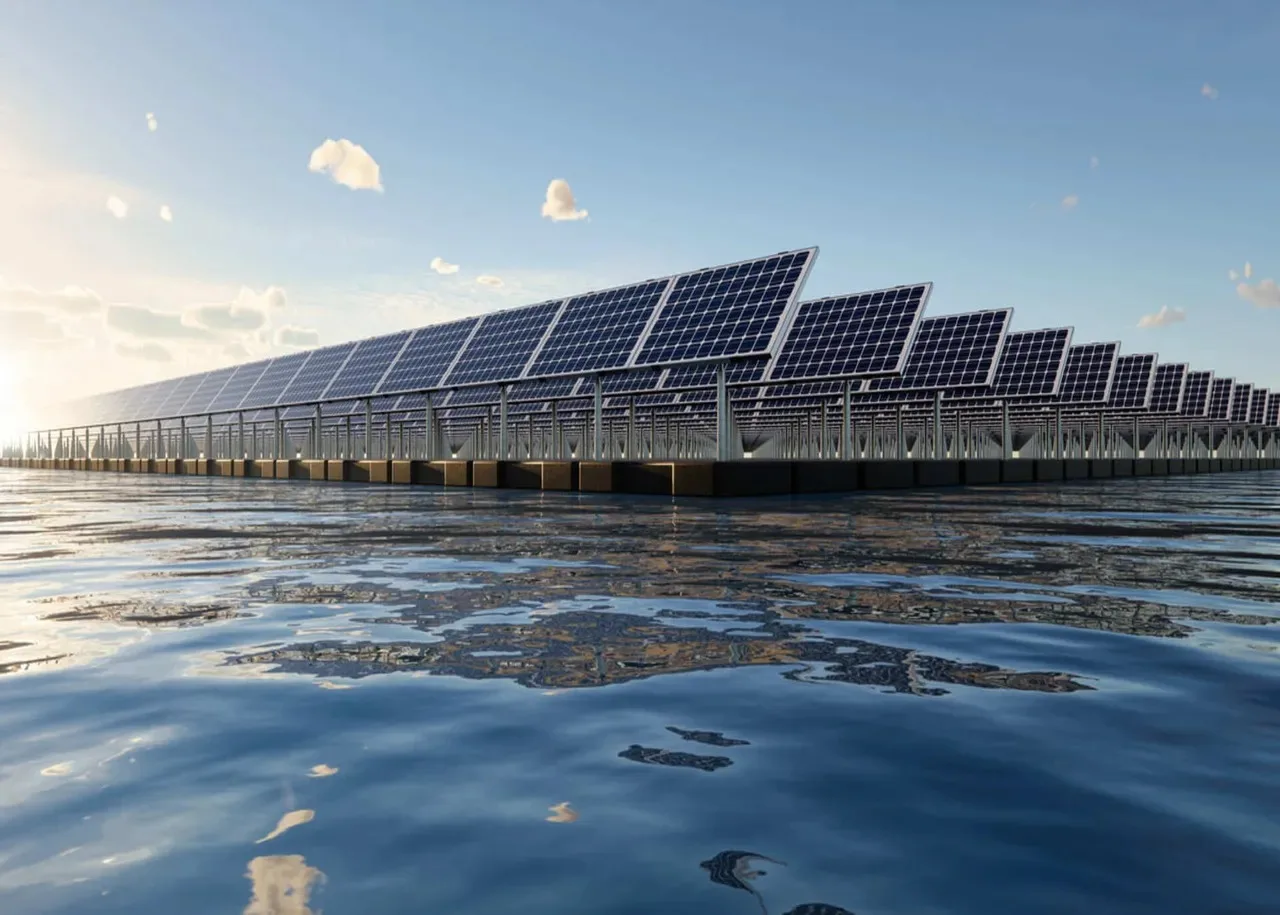
Morocco is solving one industrial constraint by creating another.
Desalination reduces drought exposure, but it also creates a new electricity burden. The kingdom’s next competitiveness test is whether it can produce enough low-carbon water at a price that keeps exporters, fertiliser platforms, tourism zones and future hydrogen projects bankable.
Morocco Water-Power Signal
Desalination target: 60% of drinking water by 2030
Current desalination share: about 25%
Annual capacity target: 1.7 billion cubic metres
Operating plants: 17
Plants under construction: 4
Additional planned plants: 9
Major Tiznit plant: MAD 10 billion / about $1 billion
Tiznit capacity: 350 million cubic metres
Renewable target: 52% of installed power capacity by 2030
Coal share of electricity mix in 2024: 59.3%
Reuters reported that Morocco aims to supply 60% of drinking water from desalination by 2030, up from about 25% today, with planned annual desalinated-water capacity of 1.7 billion cubic metres. The country already operates 17 desalination plants, has four under construction and plans nine more, including a 10 billion dirham plant near Tiznit with 350 million cubic metres of capacity.
The high-alpha question is no longer whether Morocco can build desalination plants. It is whether Morocco can price desalinated water below the industrial pain threshold while powering it with enough renewable electricity to protect export margins under Europe’s carbon regime.
The Disruption: Water Security Now Has an Electricity Price
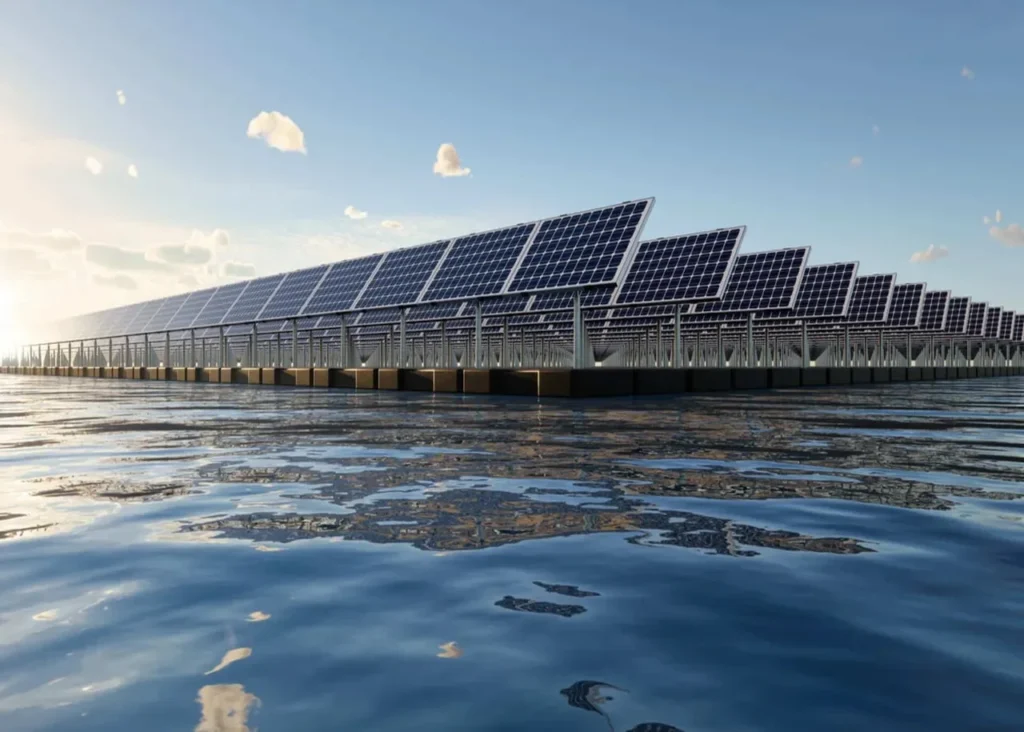
Hydrological volatility has migrated from an agricultural variable to a core industrial underwriting risk.
A manufacturer can manage labour costs, land costs and logistics costs, but it cannot operate without predictable water and electricity. Desalination protects Morocco from drought, but seawater reverse osmosis is power-intensive. Industry estimates commonly place SWRO electricity demand at roughly 3.5 to 4.5 kWh per cubic metre of water produced, making power pricing the central variable behind the levelised cost of water.
Water-power cost chain
Drought risk ──► desalination capex ──► 3.5–4.5 kWh/m³ power demand ──► electricity tariff exposure ──► LCOW pressure ──► industrial bankability test
The financial tension is direct. If renewable co-location lowers the Levelised Cost of Water toward sub-$0.50/m³, Morocco gains a structural utility-cost advantage. If desalinated water prices drift toward the global range of $0.75–$1.00/m³, energy-intensive industries, tourism zones and hydrogen projects face tighter margins.
LCOW: The Metric That Decides the Strategy
The execution test is not the number of plants. It is LCOW.
Energy can represent 40% to 50% of desalination operating expenditure, which means the water tariff is effectively a power-price derivative. Morocco’s advantage depends on co-locating desalination with renewable generation, storage and predictable power-purchase structures.
LCOW sensitivity map
Renewable power below industrial tariff ──► lower operating cost ──► cheaper desalinated water ──► stronger industrial margins
Coal-heavy grid power ──► higher carbon exposure ──► CBAM risk ──► weaker export economics
This is where Morocco’s strategy becomes corporate finance. The country is not only manufacturing water; it is manufacturing utility resilience.
CBAM: Why Morocco Needs Green Water
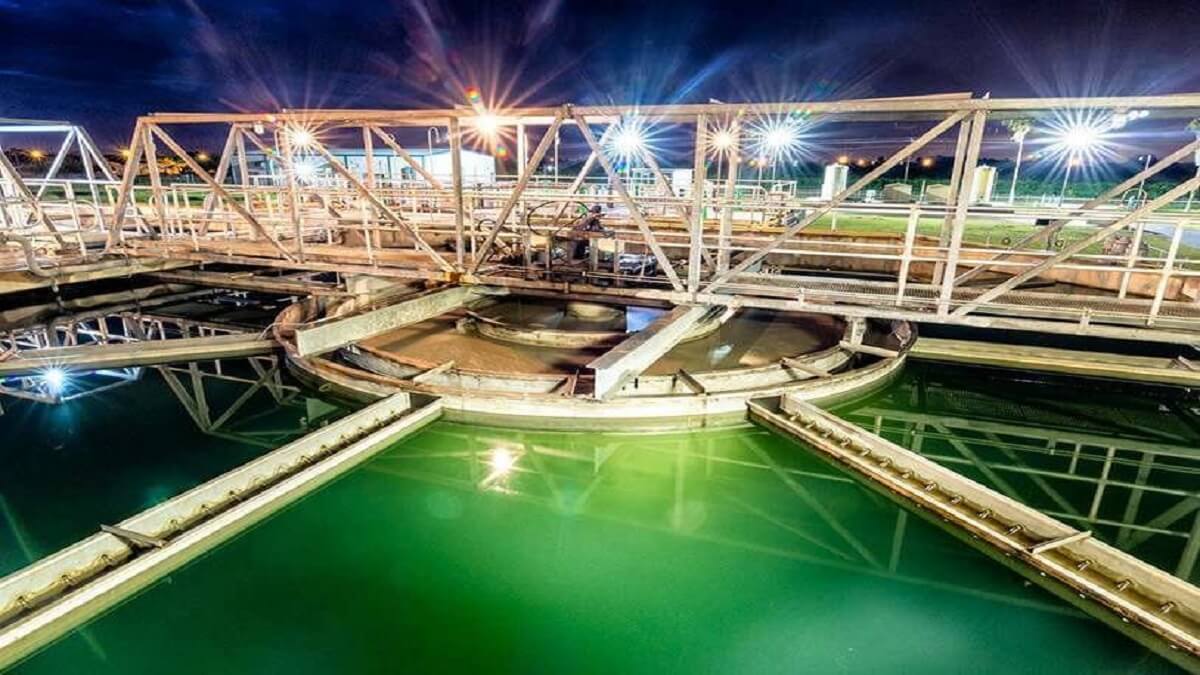
Morocco’s renewable target is not only environmental policy. It is an export-protection mechanism.
Reuters reported that coal still represented 59.3% of Morocco’s electricity mix in 2024, while the country aims for renewables to reach 52% of installed power capacity by 2030.
That creates a hard problem for exporters. If a Moroccan industrial plant uses desalinated water powered by carbon-heavy grid electricity, the final product may carry higher embedded emissions when entering Europe. Under the EU’s Carbon Border Adjustment Mechanism, carbon intensity can become a margin penalty.
CBAM exposure map
Coal-heavy electricity ──► high-carbon desalinated water ──► higher embedded emissions ──► EU carbon-cost exposure ──► export-margin pressure
Green water is therefore required to preserve green export status. For manufacturers, fertiliser producers and future hydrogen-linked industries, renewable-powered desalination is not optional branding. It is part of market access.
The CapEx Burden: PPPs or Fiscal Pressure
Morocco’s water security pipeline is too large to sit entirely on the state balance sheet.
The country’s desalination buildout includes national plants, water-transfer infrastructure, dams and coastal projects. Reuters reported that Morocco is investing in desalination, waterways and new dams to mitigate drought, while extending a UAE-funded waterway and planning a 1,400-km renewable-energy power line to supply desalination facilities and lower production costs.
Capital structure map
State water target ──► desalination capex ──► PPP / concession model ──► tariff guarantee ──► investor return threshold ──► public affordability test
The financing model matters. PPPs and concession agreements can mobilise private capital, but investors need revenue visibility: offtake contracts, water tariffs, power pricing, indexation, land access and regulatory clarity. If the state underwrites too much demand risk, fiscal pressure rises. If private operators carry too much tariff risk, projects become harder to finance.
Morocco’s strongest path is a blended model: strategic public control, private operating discipline and tariff structures that keep industrial users competitive.
OCP: The Water-Autonomy Blueprint
OCP is already showing how large industrial users can remove municipal water risk from the balance sheet.
The EBRD’s board report for OCP desalination states that non-conventional water sources, including treated wastewater and desalinated seawater, are expected to cover 100% of OCP’s needs by 2026. The same project incorporates circular water principles, including routing brine into an existing seawater cooling circuit to reduce discharge pressure.
Industrial autonomy map
OCP industrial demand ──► dedicated desalination ──► non-conventional water target ──► municipal-risk insulation ──► uninterrupted fertiliser supply chain
This is the model investors should track. If industrial champions secure their own desalinated water pipelines, drought risk no longer flows directly into production risk. Even under severe urban rationing, fertiliser and chemical supply chains can remain insulated.
That is the real value of water autonomy.
Winners, Losers and Pressure Points
The winners are industries that can secure renewable-powered water at predictable tariffs.
Likely beneficiaries
OCP-linked fertiliser platforms
Hydrogen and green ammonia projects
Coastal industrial zones
Tourism corridors
Port-linked logistics platforms
Agri-food processors near desalination infrastructure
Pressure points
Projects without dedicated renewable PPAs
Industrial users exposed to grid-tariff volatility
Tourism zones without clear water allocation
Exporters exposed to CBAM-linked carbon costs
Desalination plants without brine-management discipline
The dividing line is not sector identity. It is utility architecture.
Investor Takeaway
Morocco’s desalination strategy is a utility-arbitrage test.
Investment implications
Desalination reduces drought exposure but increases electricity demand.
LCOW depends heavily on renewable power cost.
Coal-heavy desalination weakens export carbon positioning.
PPPs can mobilise capital but require tariff certainty.
OCP’s water-autonomy model reduces municipal-risk exposure.
Industrial zones with green water and predictable power gain a bankability premium.
The investor question is not whether Morocco needs desalination. It does.
The question is whether Morocco can produce desalinated water at a cost and carbon profile that protects industrial margins.
MMO Strategic Scorecard: Water-Power Bankability
Strategic Vector: LCOW
Current Market Signal: SWRO requires roughly 3.5–4.5 kWh/m³.
Institutional Execution Test: Keeping desalinated water near sub-$0.50/m³.
Strategic Vector: Opex Load
Current Market Signal: Energy can represent 40%–50% of desalination opex.
Institutional Execution Test: Reducing power-cost volatility through renewable PPAs.
Strategic Vector: Water Target
Current Market Signal: 60% drinking-water desalination target by 2030.
Institutional Execution Test: Scaling capacity without tariff shock.
Strategic Vector: Plant Pipeline
Current Market Signal: 17 operating plants, 4 under construction, 9 planned.
Institutional Execution Test: Converting pipeline into operating capacity.
Strategic Vector: Carbon Risk
Current Market Signal: Coal was 59.3% of electricity mix in 2024.
Institutional Execution Test: Protecting exporters from CBAM exposure.
Strategic Vector: OCP Autonomy
Current Market Signal: Non-conventional water expected to cover 100% of OCP needs by 2026.
Institutional Execution Test: Insulating fertiliser output from municipal water stress.
Strategic Vector: PPP Finance
Current Market Signal: National water pipeline requires large private-sector mobilisation.
Institutional Execution Test: Aligning tariffs, offtake and investor return thresholds.
What Investors Must Watch Next
1. LCOW disclosure
Track whether Morocco’s next desalination tenders disclose water tariffs, power pricing and energy-intensity assumptions.
2. Renewable PPA alignment
Watch whether new plants secure dedicated wind, solar or hybrid power structures rather than relying on coal-heavy grid baseload.
3. OCP water-autonomy delivery
Monitor whether OCP reaches full non-conventional water coverage by 2026 and whether that model is replicated across other industrial platforms.
Final Outlook
Morocco’s climate-proofing strategy has entered its corporate-finance phase.
Desalination solves water scarcity, but it only becomes an industrial advantage if power is cheap, renewable and predictable. The country’s edge will be decided by LCOW, renewable PPAs, CBAM exposure, tariff design and industrial water allocation.
The kingdom is synthetically manufacturing utility resilience to protect FDI margins, export competitiveness and long-term infrastructure credibility.
If Morocco can scale green desalination below the industrial pain threshold, water becomes a competitiveness asset.
If power costs rise or carbon exposure remains high, desalination becomes a necessary but expensive insurance policy.
For investors, the next premium will not be priced only in hectares, ports or hotel rooms.
It will be priced in cubic metres and megawatts.
Executive Engagement
Are you operating in desalination, renewable energy, industrial parks, hydrogen, fertilisers, utilities, project finance, tourism infrastructure or Morocco-focused investment?
MMO is tracking how Morocco’s water-power strategy is reshaping industrial bankability.
Share your operational insights with our editorial team or contact us with data on LCOW, desalination tariffs, renewable PPAs, industrial water allocation, CBAM exposure or grid bottlenecks.