

By streamlining the sport’s punishing European logistics corridor, Morocco’s northern port city presents a cold operational counterweight to rival bids from Rwanda and South Africa.
Formula One does not merely have a calendar problem; it has a supply-chain problem. As Liberty Media faces renewed pressure to end the sport’s three-decade absence from Africa, the debate is shifting from historical sentiment to operational velocity: which African candidate can host a Grand Prix without imposing a costly logistics reset on teams, sponsors, broadcasters and freight operators.
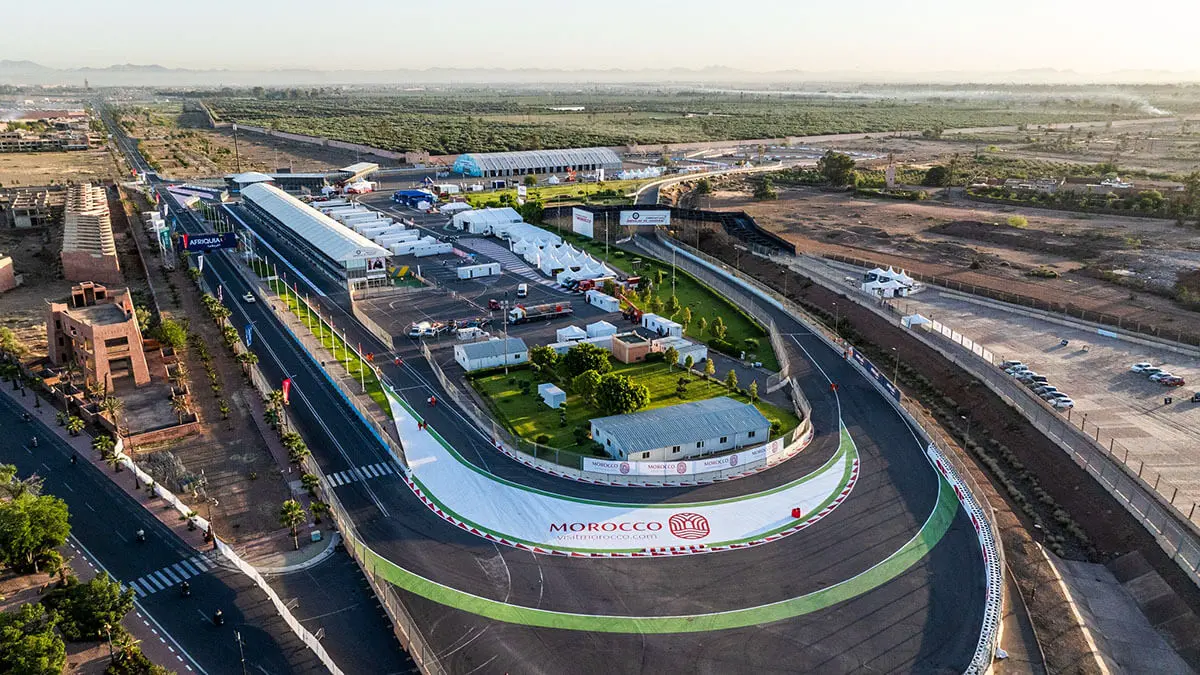
Morocco’s reported $1.2 billion motorsport masterplan near Tangier enters that debate with a specific geographic proposition. The project includes an FIA Grade 1-capable circuit designed for Formula 1, the World Endurance Championship and MotoGP, with former McLaren team principal Éric Boullier linked to the project and $800 million in private backing reportedly secured.
The Geography of Friction
Rwanda has official political momentum. South Africa retains the emotional weight of Kyalami, the venue that hosted the continent’s last Grand Prix in 1993. Morocco cannot yet match Rwanda’s public state-level declaration, and it cannot match South Africa’s deep racing heritage. Instead, Tangier’s case is built on a colder, more disciplined variable: logistics compression.
A Tangier race weekend sequenced near a Spanish Grand Prix window would transform Africa’s return from a high-risk, deep-haul freight jump into a short-haul continuation of the European leg. For team principals managing a 24-race global schedule, that proximity is not cosmetic. An F1 paddock is a travelling heavy-industrial convoy of cars, telemetry units, hospitality suites, broadcast infrastructure and specialist freight.
The industrial port of Tanger Med, positioned near Tangier and directly linked to Europe-facing maritime flows, gives Morocco a logistical argument that deeper African candidates cannot replicate as easily.
The CapEx Question
The reported $1.2 billion price tag must be understood as an asset-class issue. Madrid’s upcoming Formula One circuit was awarded to a consortium of Acciona and Eiffage for €83.2 million, but that lower figure reflects a semi-permanent urban model using existing IFEMA land rather than a greenfield motorsport district.
Tangier appears to be the opposite: a greenfield permanent motorsport and leisure platform. If the reported masterplan includes an F1-grade circuit, hotels, marina, retail, entertainment and wider tourism infrastructure, then the project is not competing with Madrid’s track contract. It is competing with Abu Dhabi, Miami, Singapore and Las Vegas-style event districts where Formula One is only one layer of a broader premium destination economy.
The Bankability Threshold
The recurring cost of Formula One is the more sensitive sovereign test. New state-backed venues are widely understood to face high annual hosting-fee expectations. Morocco is already carrying a heavy public capital expenditure cycle ahead of 2030. A Tangier Grand Prix would sit naturally inside the same national positioning strategy, but it would also compete for delivery bandwidth, investor attention and potentially public support.
A private-led or public-private partnership model would be easier to defend than a purely state-underwritten hosting commitment.
The Hospitality Bottleneck
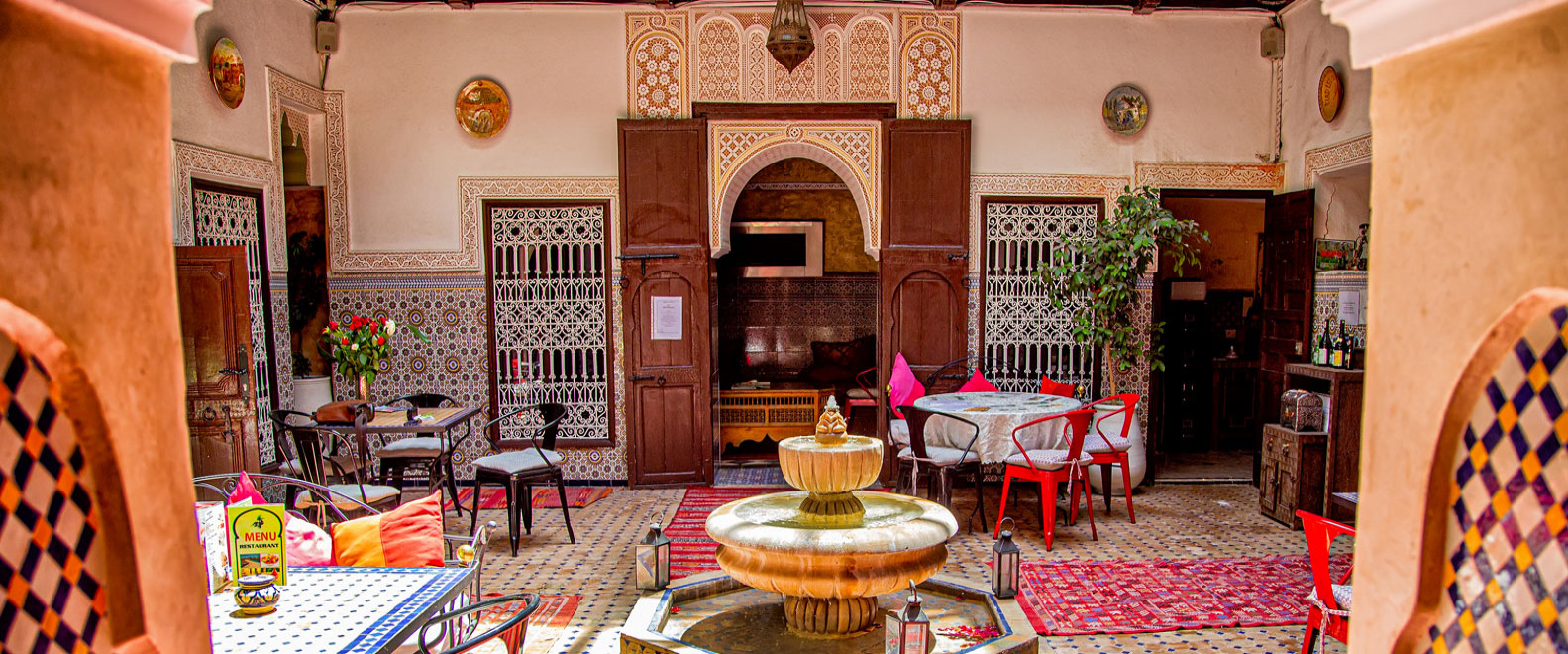
A Grand Prix would test Tangier’s premium hospitality stock immediately. Formula One does not only require grandstands. It requires luxury rooms, team hotels, sponsor suites, private transport, police escorts, medical systems and broadcast compounds at standards associated with Monaco, Abu Dhabi, Singapore, Miami or Las Vegas.
That is why the reported hotels, marina and leisure components matter. Without a premium hospitality base, Tangier cannot monetise the high-value visitors who make F1 economics work.
Tanger Med Is the Heavy-Freight Argument
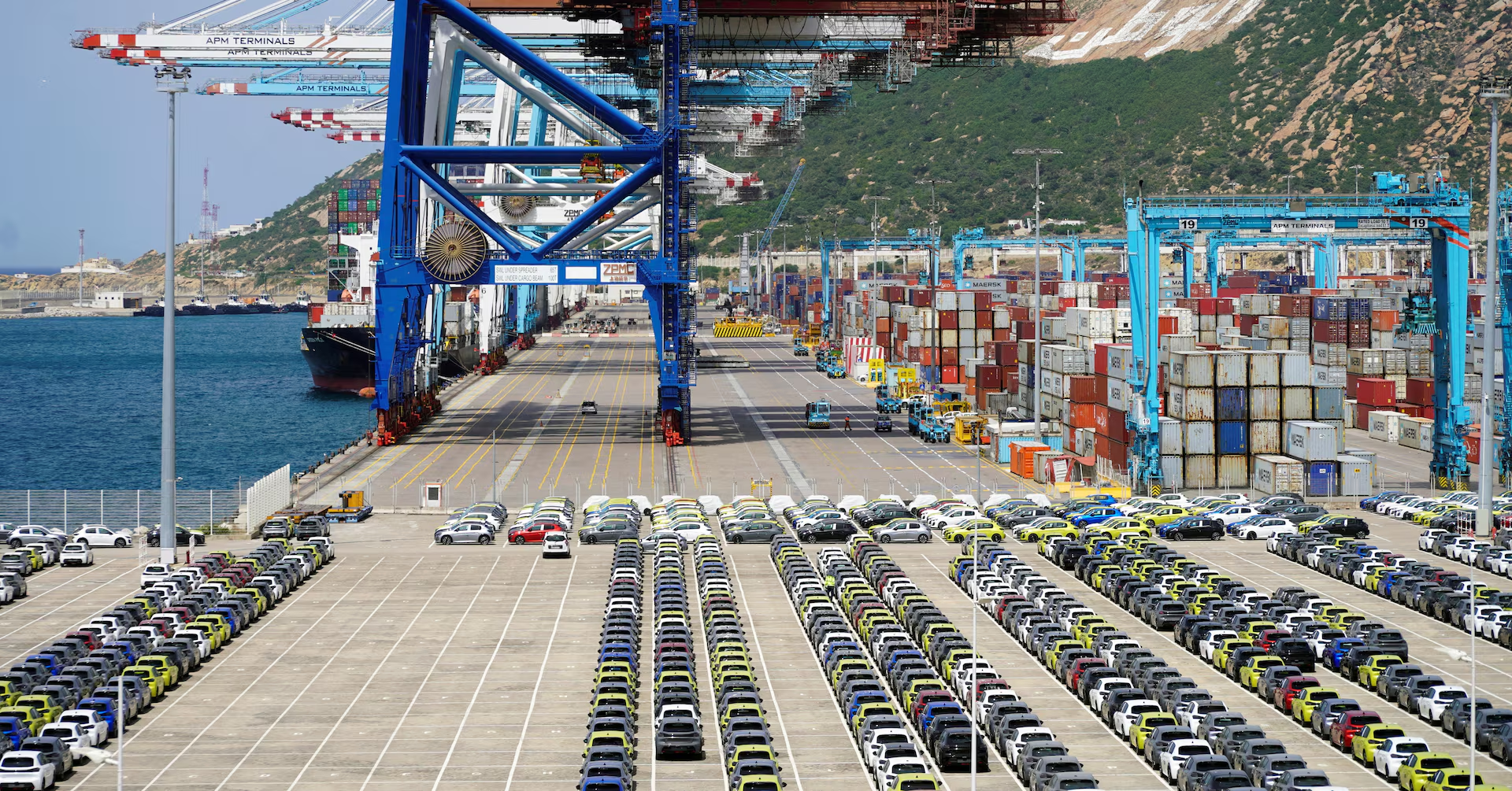
The strongest non-glamour argument for Tangier is Tanger Med. Formula One logistics include heavy freight, containers, garage equipment, hospitality units and broadcast infrastructure. A race connected to a major Europe-facing port platform offers a different operational proposition from an inland or long-haul African candidate.
The Grade 1 Gate
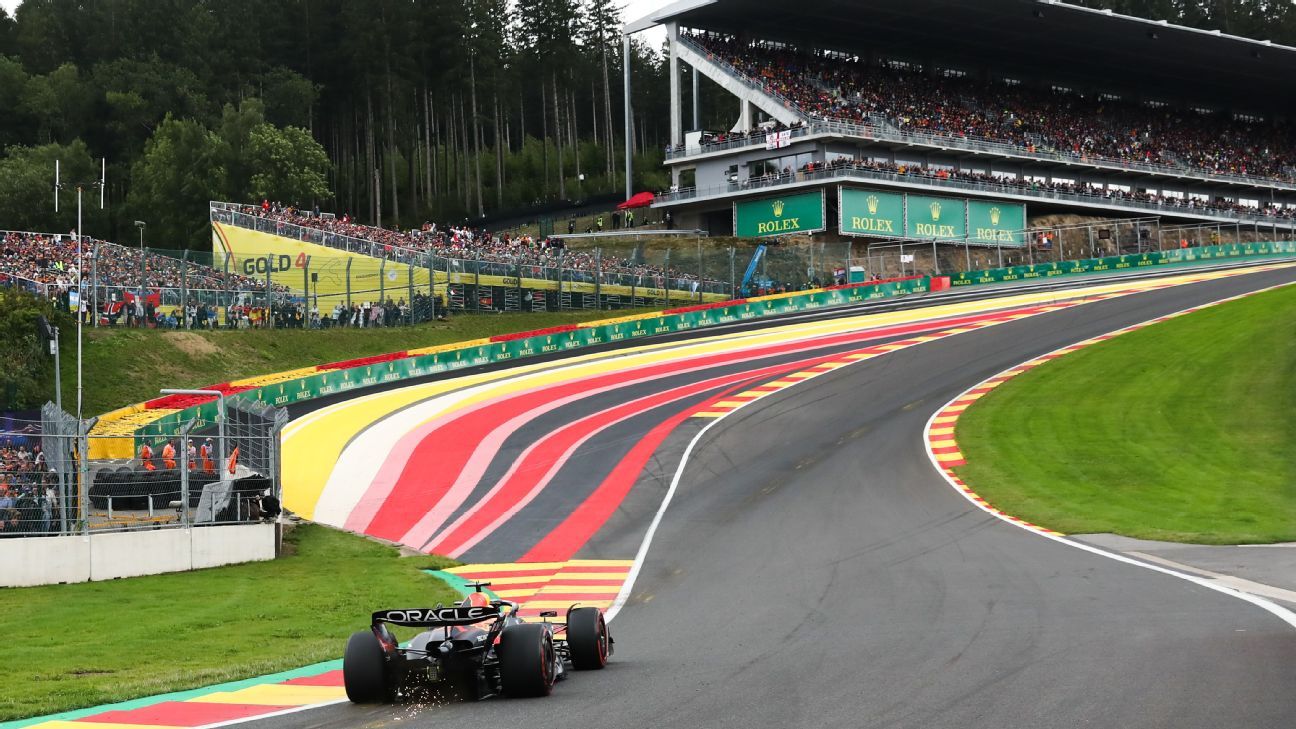
A Formula One race requires FIA Grade 1 standards. The project includes a Grade 1-capable circuit, but the market will need visible proof: a named technical team, land clarity, environmental approvals, financing structure, construction timeline, promoter identity and FIA homologation pathway.
Final Outlook
Tangier gives Morocco a sophisticated but still unproven argument in Formula One’s African race. Rwanda has political ambition. South Africa has history. Morocco has geography. That geography matters because Formula One is not only a sport; it is a high-speed logistics, media and hospitality business.
The race will not be won by the candidate that wants Formula One the most. It will be won by the candidate that makes Formula One easiest to operate.