
Morocco is reinforcing its 2026 budget against a new external volatility cycle, using fiscal policy as a sovereign risk-management instrument rather than a simple emergency spending mechanism.
The government plans to add 20 billion dirhams, roughly $2 billion, to the 2026 budget to cushion the economic impact of the Middle East conflict, protect household purchasing power and stabilise key administered-price channels. The additional allocation is expected to support cooking gas, public transport and electricity, while also addressing flood-related pressures and other unforeseen global economic risks.
The timing is strategically important. Morocco remains structurally exposed to imported energy because it depends heavily on imported oil, gas and coal and lacks domestic refining capacity. When global energy markets tighten, the shock can move quickly into fuel costs, transport prices, inflation expectations, subsidy spending, corporate margins and household purchasing power.
For investors, the 20 billion dirham addition is not only a social-support measure. It is a macro-stability buffer designed to prevent imported energy volatility from contaminating domestic demand, infrastructure execution, monetary-policy credibility and investor confidence.
The central test is whether Rabat can absorb the shock while preserving its fiscal consolidation path.
The Baseline: External Volatility Meets a Growth Cycle
Morocco enters this external volatility cycle with relatively strong growth momentum. The government expects the economy to grow 5.3% in 2026, up from 4.6% in 2025, supported partly by stronger agricultural performance after years of drought. At the same time, Rabat aims to reduce the fiscal deficit to 3% and bring government debt down toward 66% of GDP.
That combination creates both resilience and exposure. Stronger growth gives the state more fiscal space, improves tax intake and supports domestic demand. However, imported energy pressure can rapidly raise subsidy costs, widen external-account sensitivity and compress corporate margins across transport, logistics, construction, tourism and retail.
Consequently, the budget buffer operates as a fiscal shock absorber. Its function is to isolate domestic demand from first-round imported inflation, preserve the public investment cycle and prevent temporary energy volatility from becoming a broader macroeconomic confidence issue.
The policy challenge is precision. A controlled and targeted buffer strengthens credibility. A prolonged or poorly targeted subsidy expansion would increase fiscal pressure.
The Imported Energy Transmission Channel
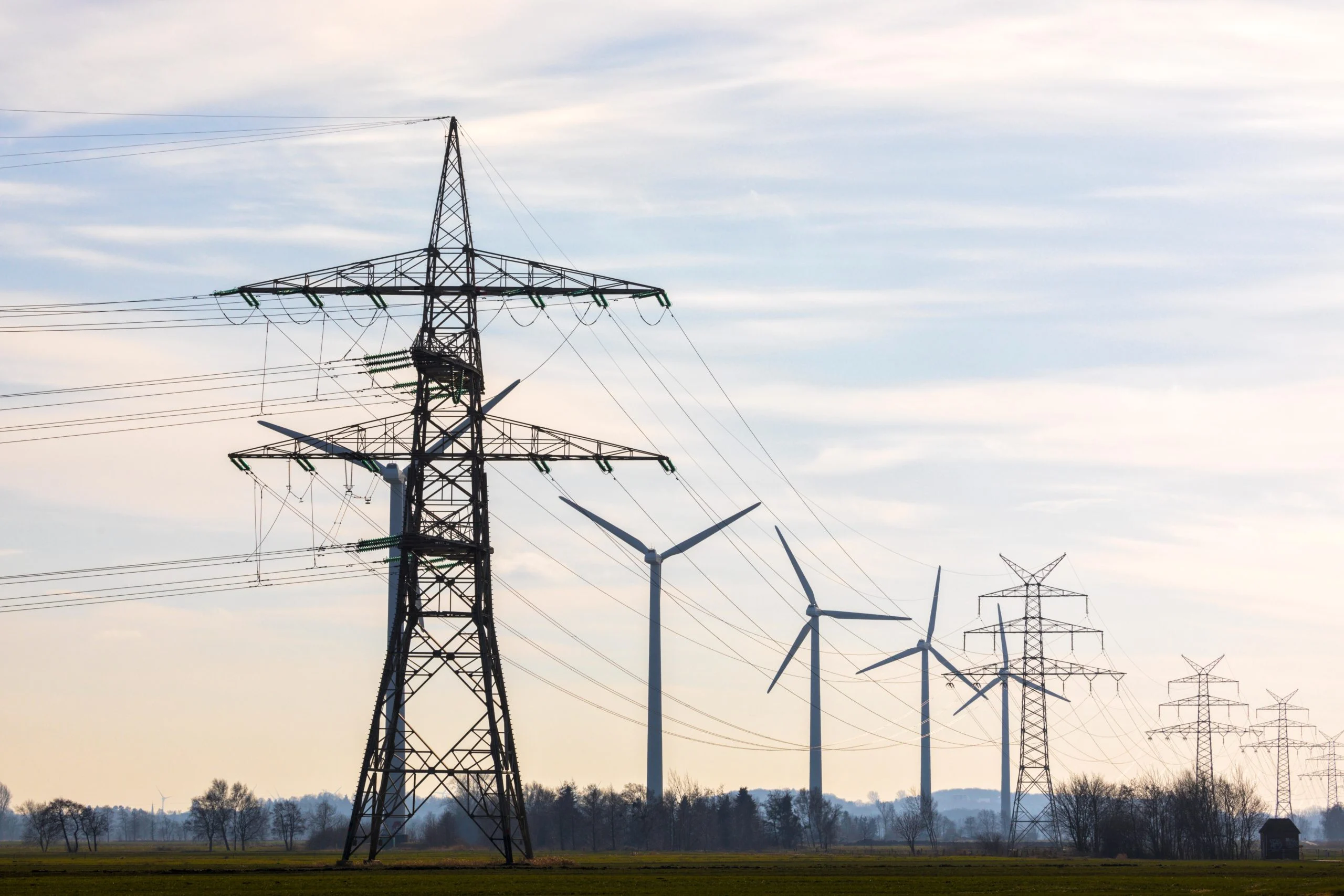
Morocco’s external vulnerability begins with energy dependence. Because the country imports most of its oil, gas and coal, global fuel-market disruption can transmit quickly into domestic cost structures. Energy shocks rarely remain confined to fuel stations; they move through freight, food distribution, electricity, industrial inputs, public transport, tourism operations and household budgets.
April 2026 inflation data already shows the transmission mechanism. Annual inflation rose to 1.7% from 0.9% in March, while transport costs increased 8.4%, largely reflecting fuel-price pressure linked to the Middle East conflict. Headline inflation remains moderate, but the sector-level pressure is more important for policymakers because transport is a core channel through which imported volatility reaches households and businesses.
The policy objective is therefore not merely to reduce discomfort at the consumer level. It is to prevent a transport-led cost shock from becoming embedded in wage expectations, retail pricing, food distribution and business operating costs.
That is why the budget buffer matters. It slows the pass-through from imported energy into domestic inflation expectations.
The Monthly Fiscal Burn Rate
The most important quantitative variable for institutional fixed-income investors is the monthly fiscal burn rate.
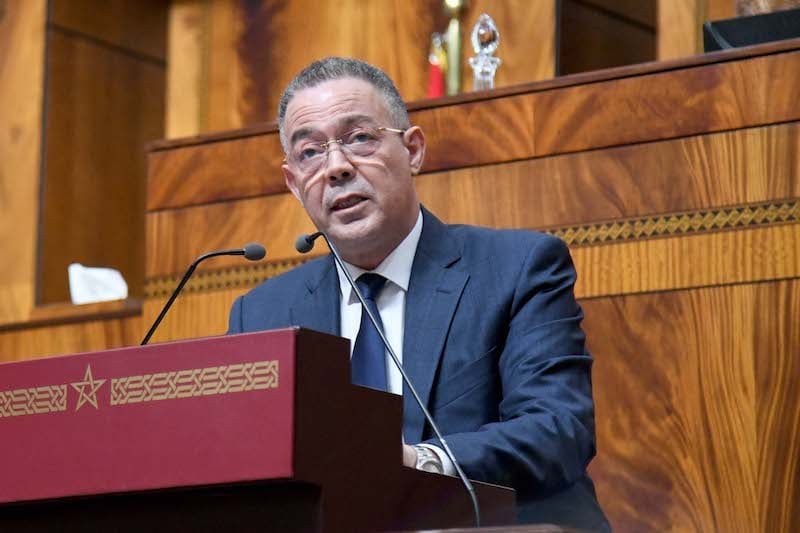
Budget Minister Fouzi Lekjaa has indicated that monthly support for transport and electricity costs around 648 million dirhams. That figure gives markets a visible measure of Morocco’s recurring exposure under the current support framework. If energy prices stabilise, the burn rate remains manageable. If global energy markets stay elevated, the monthly subsidy cost can compound quickly.
This is where the stress-test begins. A 648 million dirham monthly support baseline can be absorbed if the shock is temporary and growth remains strong. But if the shock persists, the subsidy channel begins to compete with other fiscal priorities, including Morocco’s 380 billion dirham 2026 public investment cycle.
The critical issue is not whether Rabat can spend 20 billion dirhams once. The issue is whether the burn rate remains controlled enough to avoid cannibalising long-term capital expenditure earmarked for airports, ports, rail, roads, energy, tourism infrastructure and World Cup 2030-linked delivery.
The budget buffer is credible if it buys time. It becomes more complex if it becomes permanent.
BAM and the Ministry of Finance: A Coordinated Stability Corridor

The budget buffer must be understood together with Bank Al-Maghrib’s monetary-policy stance.
Bank Al-Maghrib kept its benchmark policy rate at 2.25% at its March 2026 board meeting. That stance reflects a growth-supportive stability framework: the central bank is trying to preserve low inflation and financial credibility without prematurely tightening into a growth cycle.
The fiscal buffer gives BAM room to maintain that stance. By absorbing part of the first-round imported inflation shock through subsidies and administered-price support, the Ministry of Finance reduces the risk that energy costs pass directly into core consumer prices. In practical terms, the budget is shielding the consumer-price channel so monetary policy does not have to react aggressively to a supply-side shock.
This is the core policy coordination argument. Fiscal policy is acting as the first line of defence against imported energy volatility, while monetary policy preserves a stable rate environment for investment, credit conditions and domestic demand.
If the energy shock remains temporary, the coordination framework is strong. If energy pressure persists, the burden shifts back toward BAM and the fiscal authorities, raising the probability of harder policy trade-offs.
Protecting the 2030 Capital Expenditure Cycle
The 2026 budget buffer is also designed to insulate long-term capital expenditure from external shock transmission.
Morocco is entering a major infrastructure and tourism cycle ahead of 2030. Public investment is expected to rise 12% to 380 billion dirhams in 2026, driven by projects linked to ports, airports, railways, roads, stadiums, tourism capacity and urban infrastructure.
That capex cycle is central to Morocco’s growth model. It supports construction, logistics, employment, tourism, private investment and national positioning ahead of the 2030 World Cup. External shocks threaten that cycle by raising fuel costs, materials costs, freight costs, subsidy pressure and contractor operating expenses.
The budget buffer therefore has a defensive capital-allocation function. It protects the investment calendar by preventing imported volatility from forcing abrupt cuts, delays or reprioritisation across strategic projects.
For investors, this is the main macroeconomic signal. Rabat is trying to protect the country’s growth engine without losing fiscal discipline.
Fiscal Credibility: The 3% Deficit Test
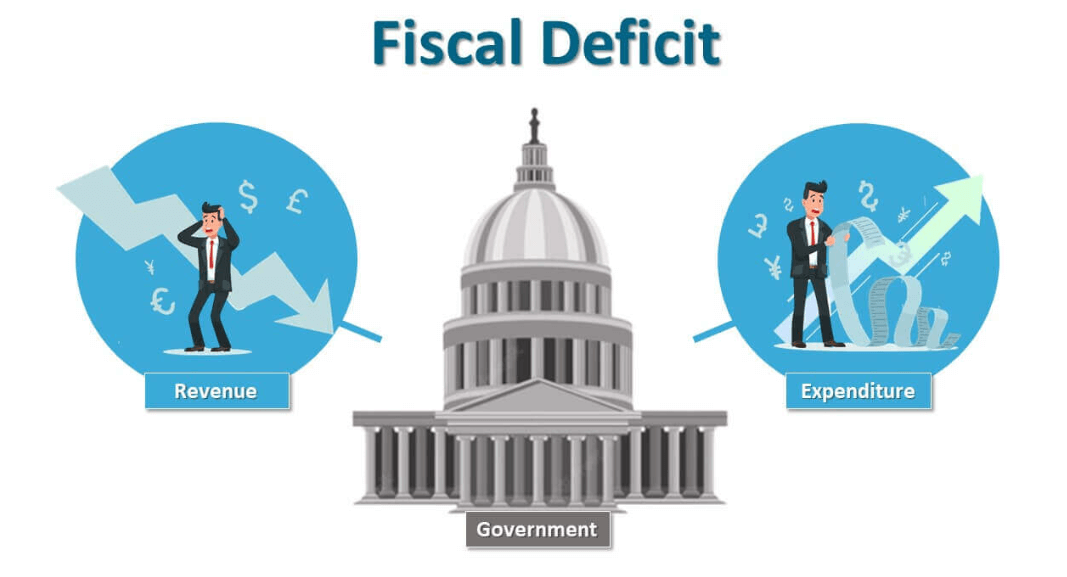
The 3% fiscal deficit target is the credibility anchor.
Markets will not judge the 20 billion dirham buffer only by its social or political logic. They will judge whether Morocco can absorb the additional allocation while maintaining its medium-term fiscal path, debt target and investment programme.
The fiscal stress-test depends on three variables. The first is shock duration: a short period of energy volatility is far easier to absorb than a prolonged conflict-driven rise in fuel prices. The second is revenue resilience: the government’s fiscal path depends partly on stronger growth and higher tax revenues. The third is subsidy containment: if the monthly burn rate rises materially beyond the current baseline, the buffer’s cost profile changes.
This is why investors should treat the measure as a controlled risk-management instrument, not a blank cheque. The policy is strong if it remains targeted, temporary and compatible with deficit reduction. It becomes less efficient if the support framework expands faster than revenues and growth can absorb.
Morocco’s fiscal credibility is not determined by whether it spends more in response to a shock. It is determined by whether it spends with discipline.
Household Demand and Purchasing Power
Household purchasing power is the immediate domestic channel.
Energy shocks affect Moroccan consumers through public transport, cooking gas, electricity and food-distribution costs. The April 2026 data show that transport prices were already rising sharply even while headline inflation remained relatively contained. This matters because households do not experience inflation as a national average; they experience it through commuting, cooking, electricity, groceries, school transport and daily services.
The budget buffer is designed to soften that pressure. By stabilising administered prices and reducing the speed of cost transmission, Rabat can protect consumption and limit the risk that fuel shocks evolve into broader social and wage pressure.
This also matters for business confidence. Stable purchasing power supports retail demand, local services, tourism consumption, food distribution and domestic-market resilience. The measure therefore protects both households and the companies that depend on household spending.
The economic logic is straightforward: preventing demand erosion is cheaper than repairing it after confidence weakens.
Corporate Margin Stress-Test
Imported input volatility is already driving corporate margin pressure across exposed sectors.
Transport and logistics companies face higher fuel costs directly. Construction firms face higher materials, freight and site-operation expenses. Tourism operators face pressure through energy, transport, food supply and wage expectations. Retail and food distributors face thinner margins when transport costs rise but consumer price sensitivity limits pass-through.
The budget buffer reduces, but does not eliminate, this pressure. Subsidising key administered-price channels slows transmission into electricity, transport and consumer costs, but companies still exposed to imported inputs, freight and energy-intensive operations must manage volatility through pricing power, hedging, supply-chain efficiency and operating discipline.
This is where sector selection becomes important for investors. Firms with strong pricing power, flexible procurement and low leverage can absorb imported-cost volatility more effectively. Firms with thin margins, high transport exposure and weak pass-through capacity remain vulnerable.
The budget buffer protects the macro environment. It does not fully protect every corporate balance sheet.
External Accounts and FX Resilience
Energy imports affect Morocco’s external accounts as well as domestic inflation.
Higher oil, gas and coal prices can widen the import bill, pressure the trade balance and increase foreign-exchange sensitivity. Morocco’s ability to absorb that pressure depends on tourism receipts, remittances, exports, foreign investment and external financing.
This is why the tourism cycle matters so much. Record tourist arrivals in 2025 and continued growth in Q1 2026 support foreign-currency inflows, helping offset energy-import pressure. Remittances and industrial exports add further resilience, while public investment and investor confidence depend on maintaining a credible macro framework.
The $2 billion buffer protects the domestic side of the shock, but external resilience still depends on foreign-currency generation. Morocco’s macro model works best when tourism, remittances, exports and investment flows offset imported energy exposure.
That makes the budget buffer one part of a wider external-stability equation.
Investor Monetization Logic
Morocco’s budget buffer creates several investor-relevant signals.
The first is sovereign stability. A targeted fiscal response reduces the risk of inflation-driven demand destruction and supports macro confidence.
The second is consumption protection. Support for cooking gas, transport and electricity helps preserve household spending power.
The third is infrastructure continuity. By cushioning energy and transport shocks, Rabat protects the 2030-linked public investment cycle.
The fourth is sector selection. Companies exposed to domestic consumption, tourism, logistics, construction and regulated utilities should be evaluated based on how energy costs and subsidy policy affect margins.
The fifth is fixed-income credibility. Bond investors will audit the monthly subsidy burn rate, deficit execution and debt path.
The sixth is currency resilience. Equity and credit investors will monitor whether tourism receipts, exports, remittances and foreign investment offset energy-import pressure.
The budget buffer is therefore not only a spending story. It is a macro-risk pricing story.
Institutional Stress-Test Framework: Morocco Budget Buffer 2026
Strategic Vector: Budget shock absorber
2026 Market Signal: Morocco plans to add 20 billion dirhams, roughly $2 billion, to the 2026 budget.
Market Impact: The allocation cushions imported energy pressure, supports household purchasing power and protects key administered-price channels.
Institutional Execution Test: Whether the measure remains targeted, temporary and compatible with fiscal consolidation.
Strategic Vector: Monthly fiscal burn rate
2026 Market Signal: Transport and electricity support costs around 648 million dirhams per month.
Market Impact: This figure becomes the primary quantitative variable for fixed-income investors auditing fiscal exposure.
Institutional Execution Test: Whether monthly support costs remain contained if global energy prices stay elevated.
Strategic Vector: Inflation transmission
2026 Market Signal: Annual inflation rose to 1.7% in April 2026, while transport prices increased 8.4%.
Market Impact: Fiscal support helps suppress first-round fuel-cost transmission into broader consumer prices.
Institutional Execution Test: Whether energy and transport pressures remain contained without forcing premature monetary tightening.
Strategic Vector: BAM policy coordination
2026 Market Signal: Bank Al-Maghrib maintained its benchmark policy rate at 2.25% in March 2026.
Market Impact: Fiscal cushioning creates room for BAM to maintain a growth-supportive monetary stance.
Institutional Execution Test: Whether imported inflation remains temporary enough to preserve rate stability.
Strategic Vector: Public investment protection
2026 Market Signal: Public investment is expected to rise 12% to 380 billion dirhams in 2026.
Market Impact: The buffer insulates long-term capital expenditure from external shock transmission.
Institutional Execution Test: Whether infrastructure delivery remains on schedule without subsidy costs crowding out capex.
Strategic Vector: Fiscal credibility
2026 Market Signal: Government targets include reducing the fiscal deficit to 3% and debt toward 66% of GDP.
Market Impact: Growth, tax revenue and targeted spending must absorb the shock without damaging sovereign credibility.
Institutional Execution Test: Deficit execution, medium-term fiscal path, subsidy containment and investor confidence.
What Investors Should Watch Next
Investors should monitor five signals.
First, whether energy prices stabilise or remain elevated through 2026. The longer the shock lasts, the more pressure it places on the monthly fiscal burn rate.
Second, whether subsidy costs move materially above the current 648 million dirham monthly baseline for transport and electricity support. This is the clearest early indicator of fiscal pressure.
Third, whether inflation remains contained after the April increase, especially in transport, food distribution and energy-linked services. A broadening inflation impulse would weaken the buffer’s effectiveness.
Fourth, whether Bank Al-Maghrib maintains its 2.25% policy-rate stance or signals concern about imported inflation pressures. Monetary-policy continuity depends partly on fiscal absorption of first-round shocks.
Fifth, whether the 3% deficit target and 66% debt path remain credible while public investment rises to 380 billion dirhams. The credibility test is whether Morocco can protect both households and capex without losing fiscal discipline.
These indicators will determine whether Morocco’s $2 billion buffer functions as a controlled macro-stability instrument or becomes a larger fiscal management challenge.
Final Outlook
Morocco’s $2 billion budget buffer is a defensive macroeconomic move at a critical point in the country’s investment cycle.
The country is entering a major growth phase ahead of 2030, supported by tourism momentum, public investment, infrastructure delivery, stronger agricultural performance and improving industrial capacity. At the same time, imported energy volatility creates inflation, subsidy and external-account pressure.
Rabat’s response is to absorb part of the shock through additional budget spending, targeted support for key price channels and protection of household purchasing power. The strategy is credible if it remains disciplined, temporary and aligned with the government’s fiscal consolidation path.
The upside is stability: lower pressure on consumers, preserved infrastructure execution, contained inflation expectations and stronger investor confidence. The risk is fiscal pressure if the external shock persists and the monthly subsidy burn rate rises.
For Morocco, the 2026 budget buffer is not only about managing Middle East conflict spillover. It is about insulating long-term capital expenditure, domestic demand and monetary-policy credibility from imported volatility.
That is why markets should watch the buffer closely.
Executive Engagement
Are you operating in macro strategy, banking, fixed income, energy, logistics, construction, retail, tourism, infrastructure or Morocco-focused investment?
MMO is tracking how Morocco’s budget buffer affects inflation, subsidies, growth, fiscal credibility and the 2030 investment cycle.
Share your operational insights with our editorial team or contact us with data on energy costs, subsidy exposure, corporate margins, financing conditions or investment execution.