

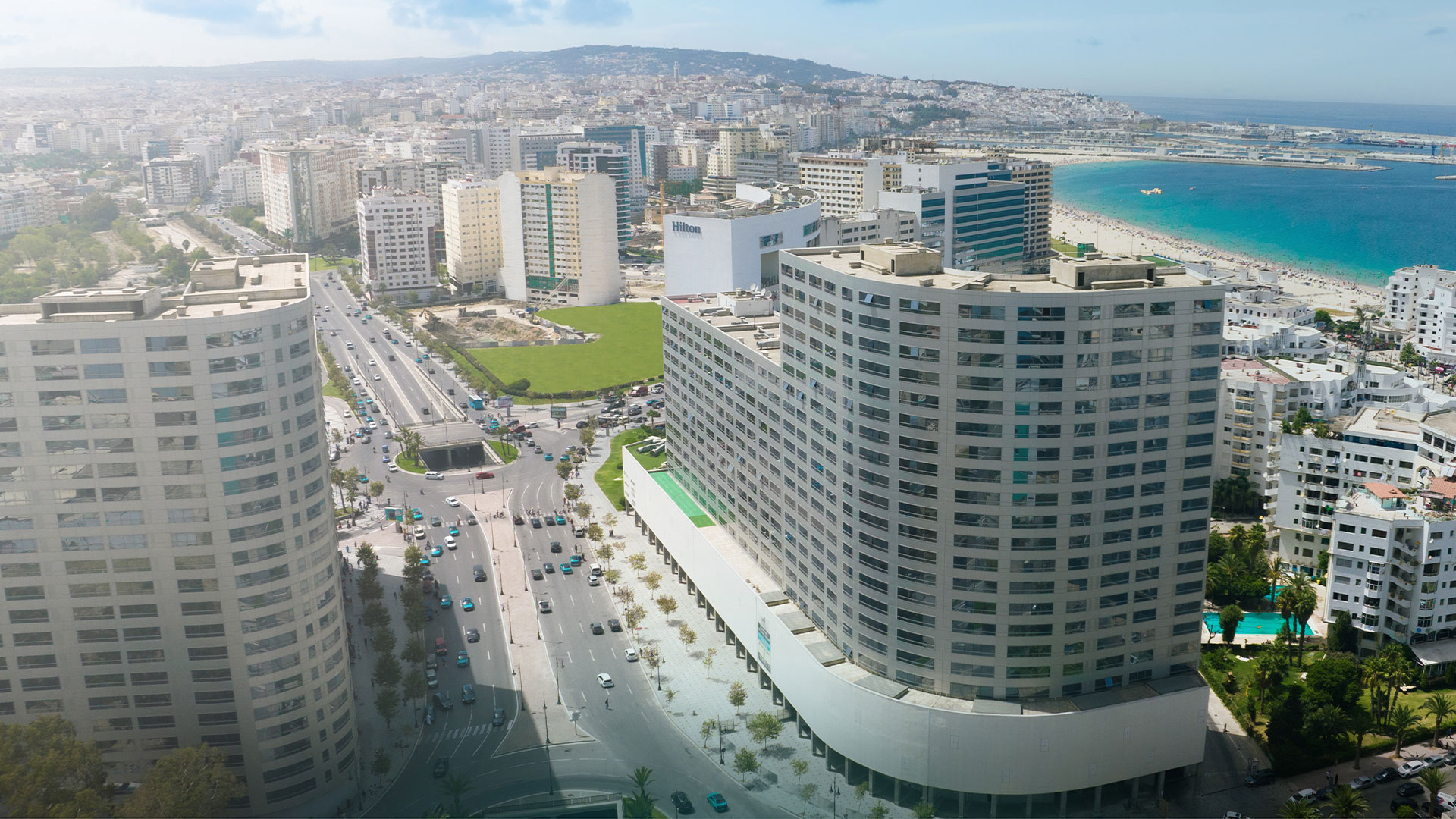
Tangier’s lifestyle market is no longer a simple coastal-property story. It is becoming a cross-border wealth and mobility trade.
TANGIER — Morocco’s northern coast is being repriced by a buyer profile that does not fit the traditional tourism model. Affluent diaspora families, Europe-based entrepreneurs, remote professionals and premium Moroccan buyers are increasingly treating Tangier not as a summer destination, but as a strategic lifestyle base within reach of Spain, Casablanca, Rabat and the wider Mediterranean.
The demand backdrop is visible at national level. Morocco welcomed a record 19.8 million tourists in 2025, up 14%year-on-year, while tourism revenues reached 124 billion dirhams, or about $13.5 billion, in the first 11 months of the year. The kingdom is targeting 26 million tourists by 2030, when it will co-host the FIFA World Cup with Spain and Portugal.
But Tangier’s premium is not driven by tourism volume alone. Its advantage is structural: geography, lifestyle, industrial growth, diaspora familiarity, Spain proximity, improving transport links, private healthcare expansion and a real estate market still cheaper than comparable European coastal cities.
The investment question is not whether Tangier is attractive. It is whether the city can convert lifestyle demand into bankable residential product without overheating prices, weakening service quality or creating a premium-rental shortage.
The Europe-Facing Lifestyle Trade
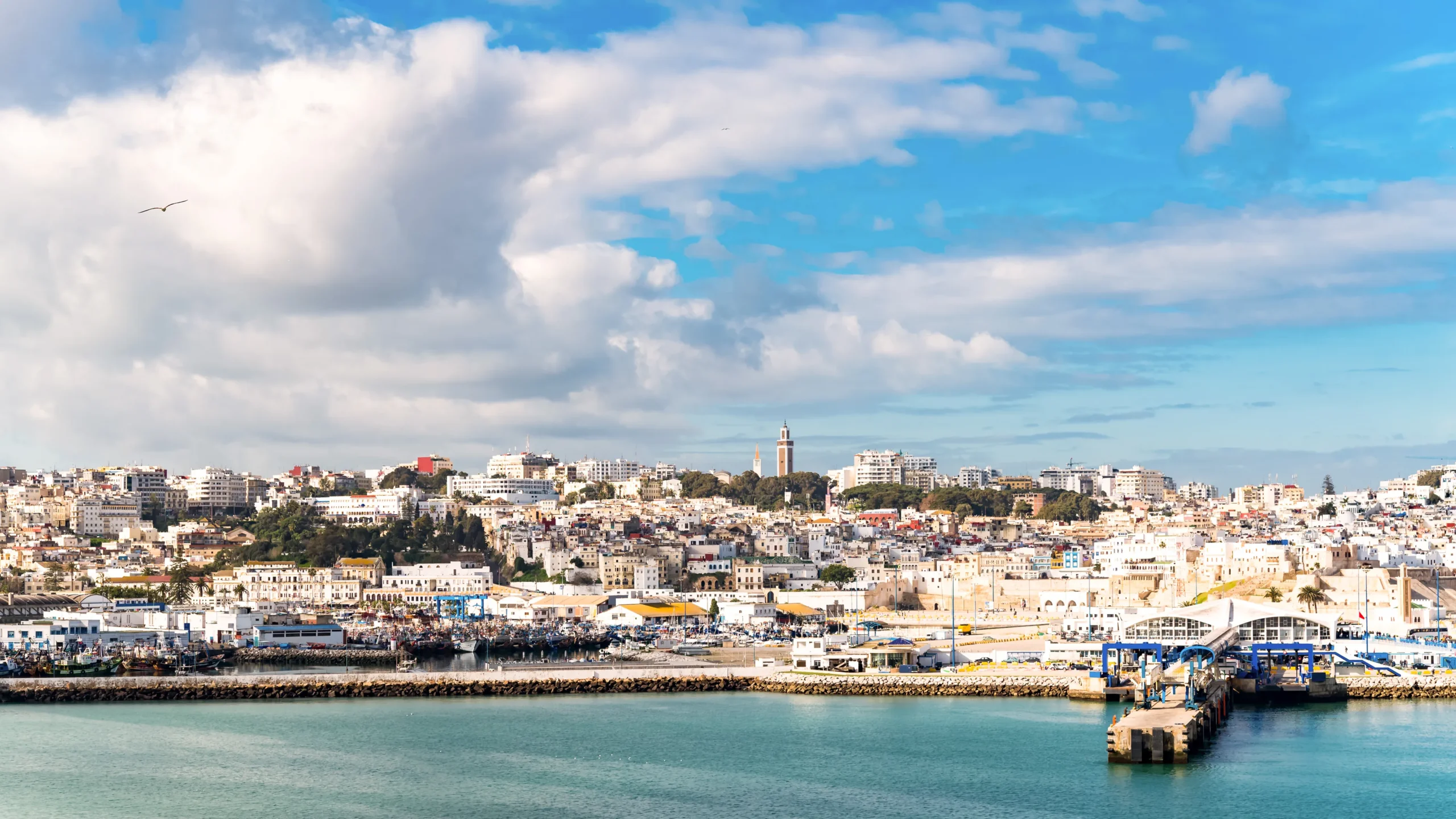
Tangier’s most powerful asset is its proximity to Europe.
For a buyer in Madrid, Barcelona, Paris, Brussels, Amsterdam or southern Spain, Tangier offers a different lifestyle equation from Marrakech or Agadir. It is Moroccan, but not remote. It is African, but Europe-facing. It offers coastal living, family roots, lower operating costs and a cultural environment that many diaspora buyers understand intuitively.
That makes the city attractive to a buyer who wants optionality. A Tangier property can function as a family base, a summer home, a remote-work residence, a diaspora anchor, a retirement option, a rental asset or a long-term capital-preservation play.
This is not the same as buying a holiday flat. The premium buyer is underwriting mobility.
A city that allows families to move between Morocco and Europe with relatively low friction has a different value proposition from a pure resort market. Tangier’s lifestyle premium is therefore tied less to beach sentiment than to the ability to live across two geographies.
The Buyer Has Changed
The old northern-coast buyer was often seasonal: Moroccan families, diaspora visitors and summer tourists looking for holiday use. That demand still exists, but it no longer explains the premium market.
The new buyer is more financially strategic.
A Europe-based Moroccan entrepreneur may compare Tangier against Spain’s Costa del Sol, Lisbon, Marbella or the French Riviera, not against only local Moroccan cities. A diaspora family may want a secure, serviced apartment that can be used by parents in summer, rented mid-term during the year and eventually become a relocation base. A remote professional may want fibre connectivity, parking, security, reliable management and access to cafés, healthcare, schools and airport links.
That shift changes what counts as luxury.
Luxury in Tangier is no longer only sea view, marble finishes or address prestige. It is operational reliability: elevators that work, building management that responds, secure parking, clean common areas, stable internet, transparent service charges, rental reporting and professional maintenance.
The next premium in Tangier will belong to assets that reduce ownership friction.
Real Estate: Liquidity Without a Broad Bubble
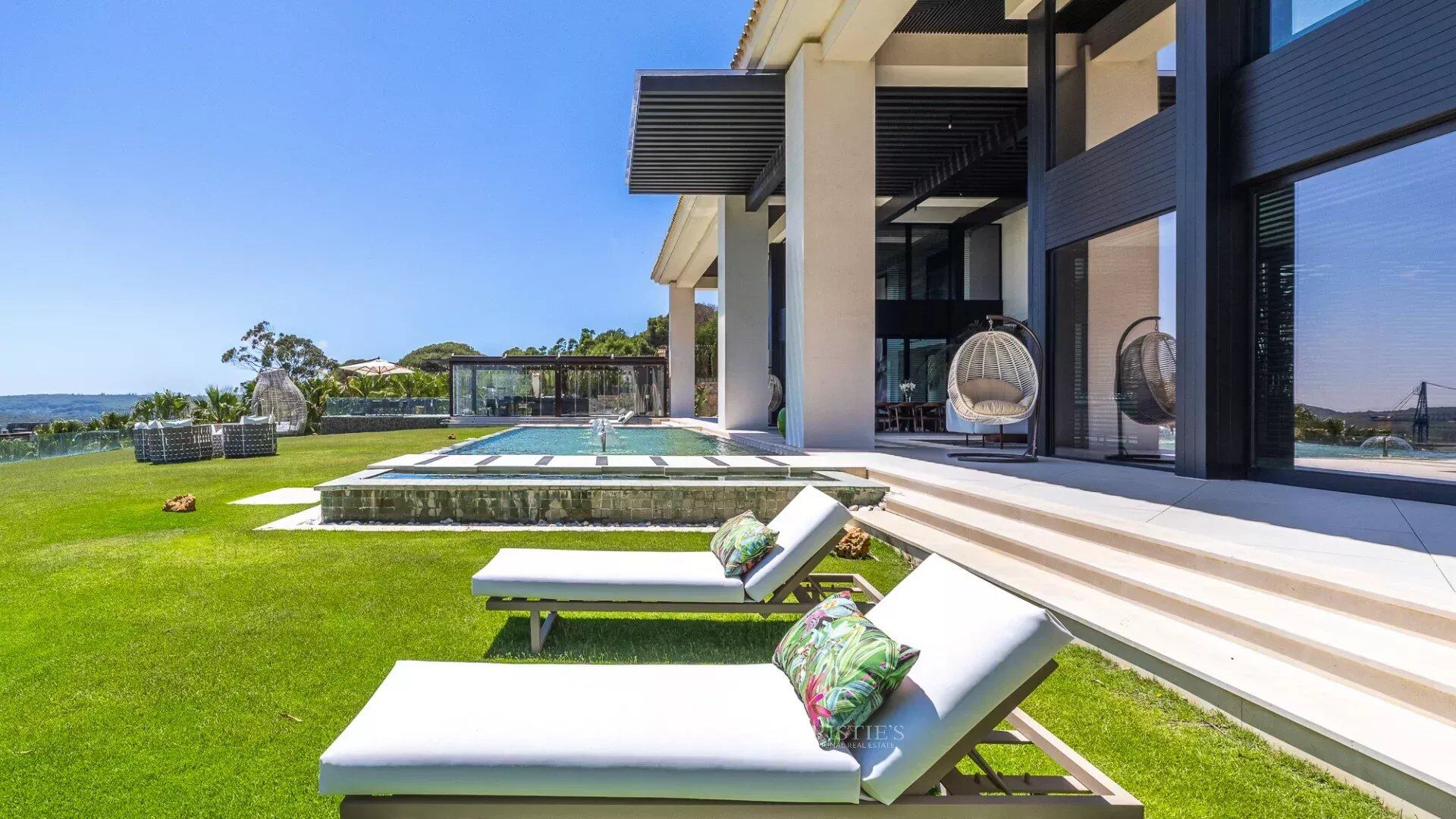
Morocco’s national real estate market does not show the kind of broad speculative surge that would justify indiscriminate buying. Bank Al-Maghrib and ANCFCC reported that the Real Estate Asset Price Index rose 1.1% quarter-on-quarterin Q3 2025, while transactions increased 14% from the previous quarter. Residential prices rose 1.5%, land rose 1.3%, and commercial property rose 0.3%.
That matters for Tangier because it supports a selective thesis. National price growth remains measured, but transaction recovery suggests liquidity is returning. Premium micro-markets can outperform when they combine scarcity, service quality, sea views, mobility access and buyer confidence.
The risk is that sellers overread the trend.
A rising premium segment does not mean every coastal apartment deserves international pricing. Assets with weak management, poor parking, bad building maintenance, unclear title, limited rental appeal or seasonal-only demand should not be priced like institutional product.
Tangier’s best assets will be those that can pass a simple underwriting test: would a Europe-based buyer trust this property enough to own it remotely?
Malabata, Corniche and the Service Premium
Tangier’s premium coastline is moving toward a service-based pricing structure.
Malabata, the Corniche corridor, selected city-centre buildings and emerging managed residential products can command stronger interest because they offer what international buyers value: walkability, sea access, security, cafés, restaurants, transport links and rental visibility.
But these areas also expose the city’s main constraint. Premium demand is rising faster than professional management standards.
A buyer paying a premium price expects the ownership experience to match the acquisition cost. That requires building-level governance, facility management, maintenance reserves, security, cleaning, common-area discipline and transparent charges. Without that layer, Tangier risks cosmetic premiumisation: expensive units inside under-managed buildings.
The financial premium therefore belongs less to location alone and more to managed location.
This is where developers and property managers can create real value. Tangier does not simply need more apartments. It needs professionally operated residential inventory.
Spain Proximity Is the Hidden Yield Variable
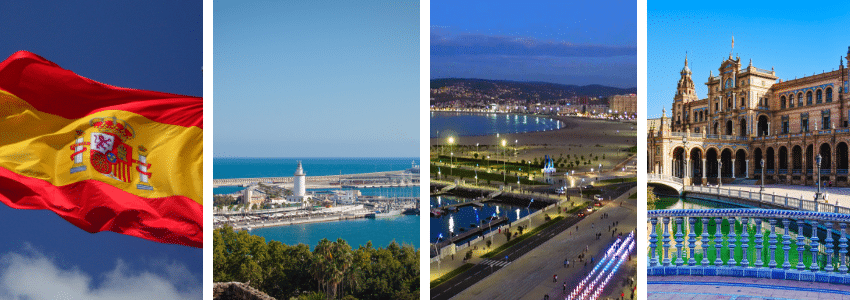
Tangier’s proximity to Spain is not only emotional or cultural. It can become a yield variable.
A property that is easy to access from Europe has a wider buyer and tenant pool. Spain-based Moroccans, European retirees, entrepreneurs, consultants, short-stay professionals and diaspora families can all treat Tangier as a low-friction base if transport links and building services are reliable.
That creates demand for mid-term rentals, serviced apartments, secure family residences and premium lock-up-and-leave properties.
The strongest product is not necessarily the largest villa. It may be a well-managed two-bedroom or three-bedroom apartment with sea access, fibre internet, parking, security, maintenance and a credible rental manager.
Tangier’s premium market will mature when buyers stop paying only for view and start paying for operational convenience.
Healthcare and Family Confidence
Lifestyle relocation does not work without healthcare confidence.
Morocco’s private healthcare sector is expanding quickly, reducing one of the main concerns for affluent families considering longer stays. Akdital reported 2025 revenue above 4 billion dirhams, expanded its network to 41 facilities, and reached 4,505 beds across 24 cities by the end of 2025.
For Tangier, the significance is broader than one operator. Premium lifestyle demand depends on family confidence. Buyers do not assess relocation only through property prices; they assess emergency care, specialist access, private clinics, medical evacuation, pharmacies, schools, transport and day-to-day reliability.
The northern-coast lifestyle thesis becomes stronger when families believe they can stay longer than a summer holiday.
Healthcare is therefore not a social-service footnote. It is part of the premium-property underwriting model.
Tourism Growth Is a Lead Funnel, Not the Business Model
Tourism growth helps Tangier, but it cannot be the only explanation for the city’s lifestyle premium.
Morocco’s record tourism numbers create visibility, route demand, hotel investment, restaurant growth and international curiosity. Yet Tangier’s strongest real estate buyers are not necessarily one-time tourists. They are repeat visitors, diaspora families, Europe-linked entrepreneurs and Moroccans with enough capital to treat the city as a long-term base.
Tourism is the funnel. Lifestyle conversion is the business model.
A visitor may first come for a weekend, a family trip or a business stay. The conversion happens when that visitor begins to consider a longer-term role for Tangier: a second home, a rental asset, a business base, a retirement plan, a family anchor or a school-and-healthcare relocation option.
Developers who understand that conversion pathway will outperform those who sell only scenery.
The Diaspora Wealth Layer
The diaspora is central to Tangier’s premium story.
Moroccans living in Europe already understand the cultural, family and emotional case for Morocco. What is changing is the financial behaviour of the wealthier segment. The new question is not only “where do we spend summer?” but “where do we preserve capital, lower family operating costs and maintain a Morocco-Europe lifestyle?”
Tangier is particularly well positioned for this buyer because it feels connected to Europe without losing its Moroccan identity.
The diaspora buyer also has a different risk profile. They may tolerate Moroccan administrative friction better than a fully foreign buyer, but they increasingly demand European-level property management, service reliability and legal clarity. That creates a bridge between local trust and international expectations.
The market that solves this gap — Moroccan familiarity with European standards — will capture the premium.
Schools, Remote Work and Daily Infrastructure
Premium lifestyle demand depends on daily infrastructure, not only headline projects.
Remote professionals need fibre internet, reliable electricity, coworking environments and transport access. Families need schools, healthcare, safe neighbourhoods, activities and predictable services. Retirees need medical confidence, walkability, security and maintenance support. Investors need rental management, tax clarity, title discipline and exit liquidity.
Tangier has many of these ingredients, but not all are evenly distributed.
The market is still fragmented. Some buildings and neighbourhoods are ready for premium buyers. Others remain dependent on informal management, weak maintenance culture or seasonal demand.
This creates a two-speed city. The best-managed assets will become more valuable. Poorly managed properties may lag even in attractive locations.
The Rental Market Pressure Point
The first visible stress point will be premium rentals.
As more Europe-linked buyers test Tangier before committing to purchase, demand for high-quality furnished rentals should rise. The problem is that much of the local rental stock is not designed for corporate-grade or family-grade international use.
Premium tenants want security, clean furniture, reliable internet, responsive landlords, modern kitchens, parking, air-conditioning, elevators, legal contracts and transparent payment terms. Informal rentals with weak maintenance will not satisfy that buyer.
This creates an opportunity for serviced apartments and professionally managed rental portfolios. The market gap is not only supply; it is professionalised supply.
Tangier’s rental premium will belong to operators who can deliver reliability, not just keys.
The Risk of Overpricing the Story
The biggest risk in Tangier is not lack of demand. It is premature overpricing.
When a city becomes fashionable, sellers often price future potential into today’s assets. That can create a gap between asking prices and actual bankable value. International buyers may be willing to pay a premium, but they will eventually compare Tangier against Spain, Portugal, Dubai, Marrakech, Casablanca and Rabat.
The market must therefore avoid confusing scarcity with quality.
A scarce sea-view apartment can still be a weak asset if the building is poorly managed. A central location can still underperform if parking is impossible. A new development can still fail if service charges, title, maintenance reserves or rental management are unclear.
Tangier’s lifestyle premium is real, but it must be earned asset by asset.
Capital Comparison
Metric: Tourism Demand
Current Signal: Morocco welcomed 19.8 million tourists in 2025 and targets 26 million by 2030.
Bankability Test: Whether visitor growth converts into repeat, higher-income lifestyle demand.
Metric: Property Liquidity
Current Signal: Q3 2025 real estate transactions rose 14% quarter-on-quarter nationally.
Bankability Test: Whether liquidity concentrates in well-managed premium micro-markets.
Metric: Healthcare Confidence
Current Signal: Akdital reached 41 facilities and 4,505 beds by end-2025.
Bankability Test: Whether private healthcare depth supports longer family stays.
Metric: Spain Proximity
Current Signal: Tangier offers Europe-facing mobility across the Strait.
Bankability Test: Whether transport access converts into mid-term rental demand and second-home buying.
Metric: Service Quality
Current Signal: Premium buyers increasingly require building management, security and remote ownership support.
Bankability Test: Whether developers and property managers professionalise the ownership layer.
Metric: Rental Supply
Current Signal: High-quality furnished inventory remains limited relative to rising international expectations.
Bankability Test: Whether serviced apartments and managed portfolios fill the premium gap.
What Investors Must Watch Next
First, premium rental absorption. The strongest early signal will be whether high-quality furnished units in Malabata, Corniche and selected central districts lease quickly at rates that justify professional management and higher acquisition prices.
Second, service-charge discipline. Investors should monitor whether new premium buildings develop transparent maintenance reserves, governance rules and facility-management standards, or whether weak building operations cap resale value.
Third, buyer conversion. The key market test is whether diaspora and Europe-linked renters become buyers after repeated stays, turning Tangier from a seasonal destination into a year-round lifestyle base.
Final Outlook
Tangier’s lifestyle premium is real, but it is not automatic.
The city sits at a rare intersection: Moroccan identity, European proximity, coastal living, industrial growth, diaspora familiarity and improving national infrastructure. That combination gives Tangier a stronger lifestyle-investment story than a conventional resort market.
But the next stage will be decided by execution. Premium buyers will not pay indefinitely for views alone. They will pay for management, healthcare access, security, rental reliability, remote ownership support and daily-life infrastructure.
Tangier does not need to become Marbella, Lisbon or Dubai. Its advantage is different. It offers Europe-facing Moroccan living with lower operating costs and deeper cultural attachment for the diaspora.
If developers and asset managers professionalise the service layer, Tangier can convert lifestyle demand into durable residential value.
If they do not, the city risks overpricing a story before the product is ready.
The premium is there.
Now the market has to earn it.
Executive Engagement
Are you operating in premium real estate, serviced apartments, relocation, property management, private healthcare, international education, remote work infrastructure or Morocco-focused lifestyle investment?
MMO is tracking how Tangier’s Europe-facing lifestyle market is reshaping Morocco’s northern coast.
Share your operational insights with our editorial team or contact us with data on premium rentals, buyer demand, service charges, managed residences, healthcare access or diaspora relocation trends.