

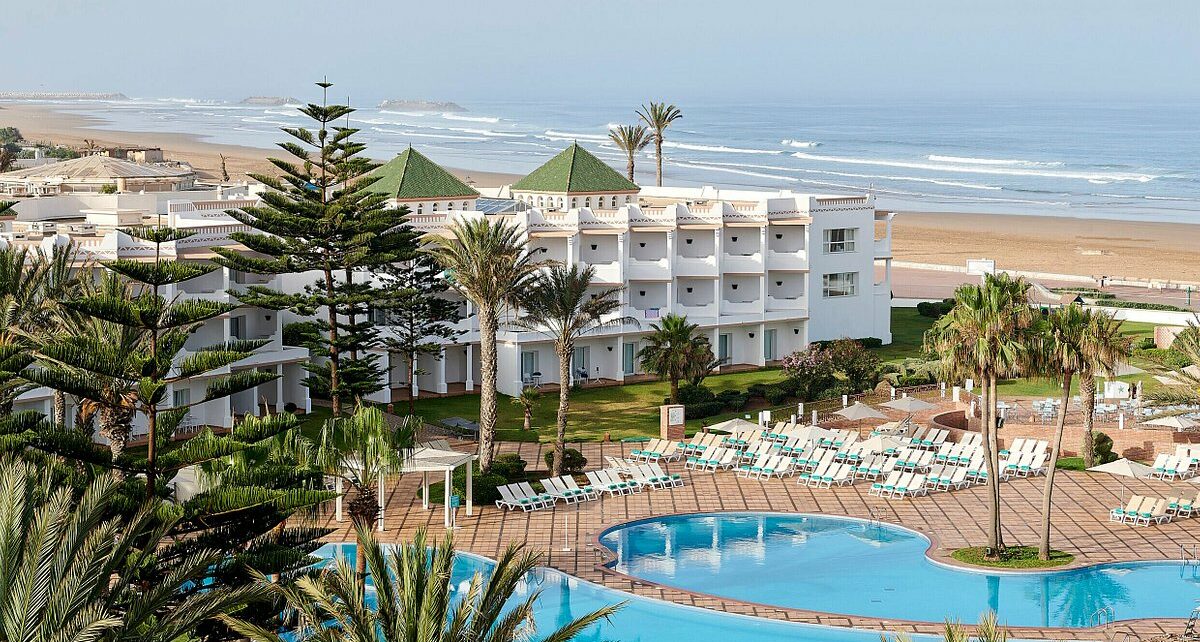
Morocco’s coastal property market is entering a more selective investment cycle.
International buyers are no longer looking only at Marrakech riads or Casablanca apartments. Capital is increasingly moving along Morocco’s Atlantic and Mediterranean coastline, where tourism growth, airport expansion, remote-work demand, diaspora wealth and 2030 infrastructure planning are reshaping buyer behaviour.
The macro backdrop is clear. Morocco received 19.8 million tourists in 2025, up 14% year-on-year, while tourism revenues reached 124 billion dirhams in the first 11 months of 2025. In Q1 2026, tourist arrivals rose another 7% to 4.3 million, with March arrivals up 18% year-on-year. Morocco is targeting 26 million visitors by 2030.
The real estate baseline is more nuanced.
Bank Al-Maghrib and ANCFCC’s Real Estate Asset Price Index recorded a 1.1% quarterly increase in Q3 2025, with residential prices up 1.5% quarter-on-quarter and transactions rising 14% compared with the previous quarter. But annual price growth remained moderate, with Q3 2025 data showing only a 1.2% year-on-year increase in the overall index.
That combination matters.
Morocco is not in a broad speculative property boom.
It is in a selective coastal reallocation cycle, where capital is concentrating in areas with tourism depth, airport access, rental liquidity, lifestyle value and future infrastructure upside.
For investors, the question is not whether Morocco’s coast is attractive.
The question is which coastal markets can convert demand into resilient rental income, capital preservation and exit liquidity.
The Coastal Investment Thesis
Coastal Morocco offers several advantages at once.
It combines lifestyle appeal, tourism demand, diaspora attachment, improving infrastructure and relative affordability compared with Western Mediterranean property markets.
But the thesis is not uniform.
Tangier, Rabat’s coast, Casablanca’s coastal corridor, Essaouira, Agadir and emerging southern destinations each carry different risk-return profiles.
Tangier is infrastructure-led and Europe-facing.
Rabat and Casablanca offer capital preservation and corporate demand.
Essaouira is lifestyle-led and supply-constrained.
Agadir is tourism-led and more affordable.
Dakhla is frontier, strategic and higher risk.
This segmentation matters because international buyers often make the mistake of treating “coastal Morocco” as one market.
It is not one market.
It is a chain of micro-markets with different liquidity, rental demand, legal risk, seasonality and management requirements.
Tangier: The Europe-Facing Coastal Bet
Tangier is one of the strongest coastal property stories in Morocco.
The city benefits from proximity to Spain, Tanger Med’s logistics ecosystem, industrial growth, improved roads, international attention and a rising lifestyle profile.
For international buyers, Tangier offers three forms of demand.
The first is local upper-middle-class demand.
The second is MRE and diaspora demand.
The third is foreign and remote-work demand looking for a Europe-adjacent base.
Premium waterfront and corporate-ready rental inventory in areas such as Malabata, Corniche and city-centre corridors is already commanding higher rents. Recent market sources place high-end furnished rentals in Tangier’s prime coastal districts around MAD 12,000 to MAD 18,000 per month, while selected premium listings are visible around MAD 15,500 to MAD 16,000.
For buyers, yield depends heavily on product type.
A well-positioned furnished apartment near Malabata or the Corniche can attract mid-term tenants, visiting professionals, diaspora families and short-stay demand.
Older villas or secondary apartments may have weaker liquidity unless priced correctly.
Tangier’s opportunity is real.
But it is not automatic.
Investors must underwrite building quality, title clarity, parking, sea views, rental management, noise, access and maintenance standards.
The Tangier Yield Spread
Tangier’s appeal is partly yield-driven.
Several 2026 market guides place gross rental yields in Tangier in the 6% to 9% range, with higher potential in short-term rental zones during peak periods. More conservative luxury-market references place well-located high-end Tangier yields closer to 4% to 6%, depending on price, management and occupancy.
This spread is important.
A headline yield is not the same as net return.
Investors must deduct:
vacancy
agency fees
property management
maintenance
furniture replacement
building charges
tax exposure
platform fees
seasonality
foreign-exchange movement
A property advertised at 8% gross may settle much lower net if occupancy is uneven or management is weak.
That is why international buyers should focus less on headline yield and more on managed yield.
In Tangier, the strongest assets are likely to be modern, well-managed, furnished apartments with reliable internet, parking, views or walkability, and access to both lifestyle and business demand.
Rabat and Casablanca: Capital Preservation Over Yield
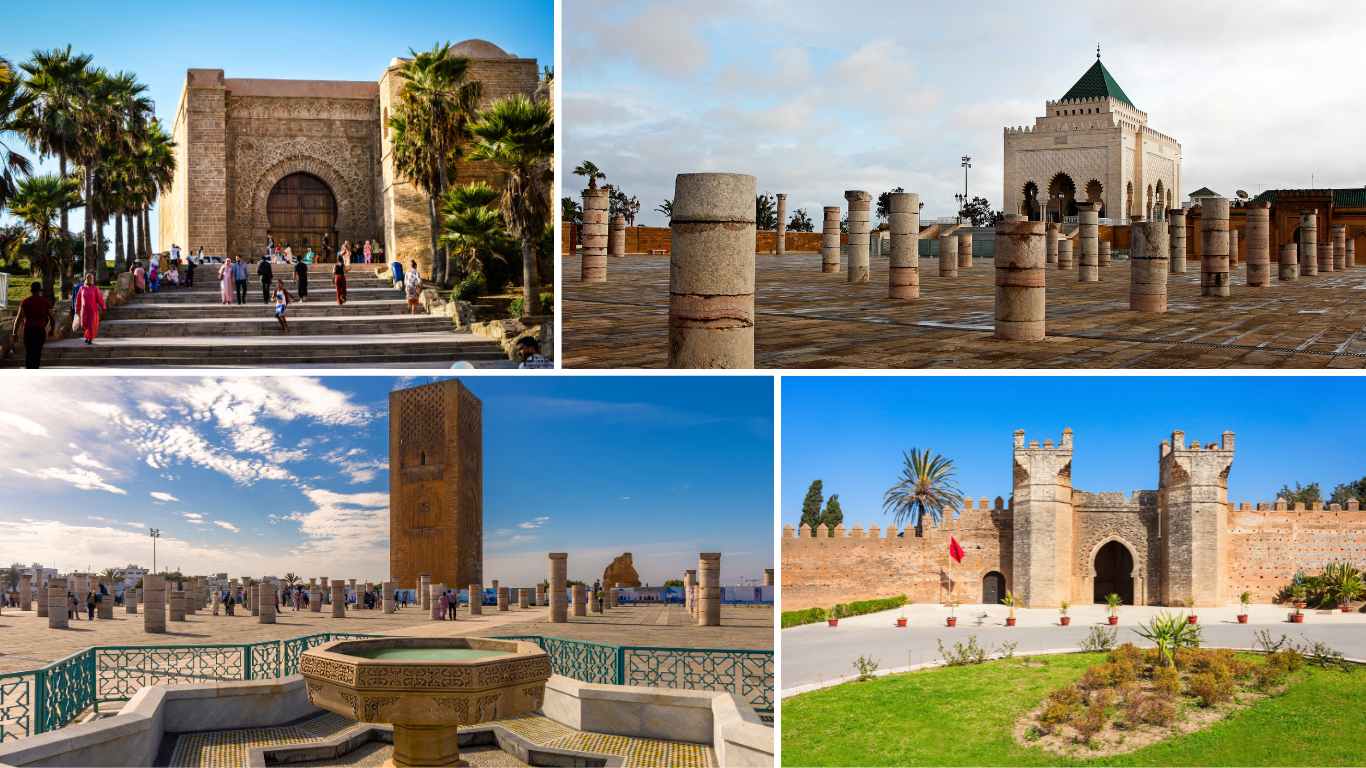
Rabat and Casablanca are different from Tangier and Agadir.
They are less purely lifestyle-driven.
They are institutional, diplomatic, corporate and administrative markets.
For international buyers, that means lower lifestyle upside in some districts, but stronger capital preservation in selected prime locations.
Rabat’s coastal and premium residential districts attract diplomats, senior professionals, high-income families and long-term residents.
Casablanca offers corporate demand, financial-sector tenants and liquidity, especially in well-connected districts.
These markets often provide lower yields than emerging coastal destinations, but stronger exit depth.
That matters for conservative buyers.
A family office or high-net-worth buyer may accept lower rental yield in exchange for legal clarity, liquidity, tenant quality and capital preservation.
In Morocco’s coastal property thesis, Rabat and Casablanca are not primarily speculative plays.
They are defensive assets.
Essaouira: Lifestyle Scarcity and Management Risk
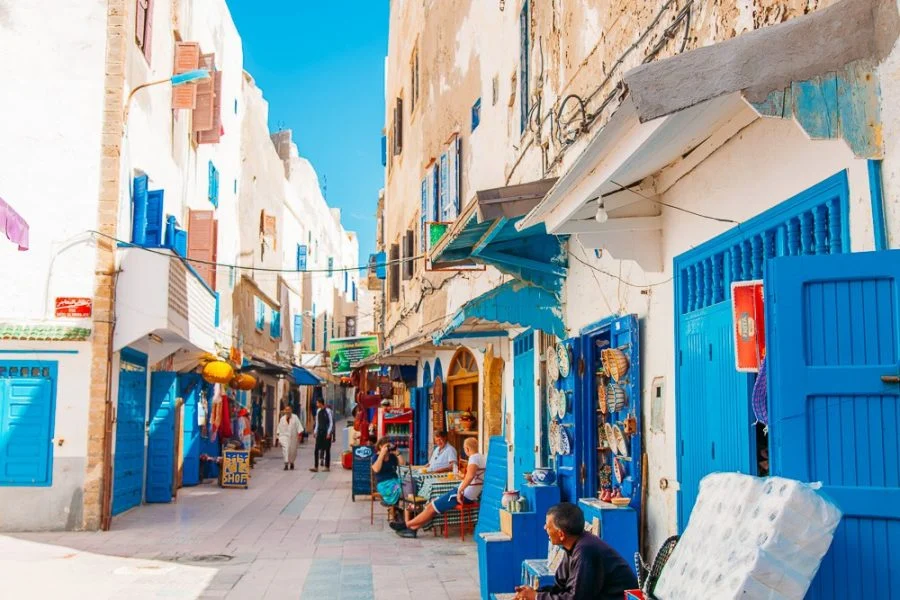
Essaouira has a different profile.
It is smaller, more atmospheric and more supply-constrained than Tangier or Agadir.
Its appeal is based on lifestyle, culture, coastal identity, tourism and second-home demand.
For international buyers, Essaouira can offer strong lifestyle value, especially for boutique riads, restored properties, small guesthouses and coastal homes.
But the market is thinner.
That creates two opposing forces.
Scarcity can support values in prime areas.
But thin liquidity can make exits slower.
Property management is also critical.
A boutique asset may perform well if it is professionally managed and positioned for the right visitor segment.
The same asset can underperform if maintenance, permits, marketing or guest service are weak.
Essaouira is therefore not a passive investment market.
It requires operational discipline.
Agadir: Tourism Scale and Affordability
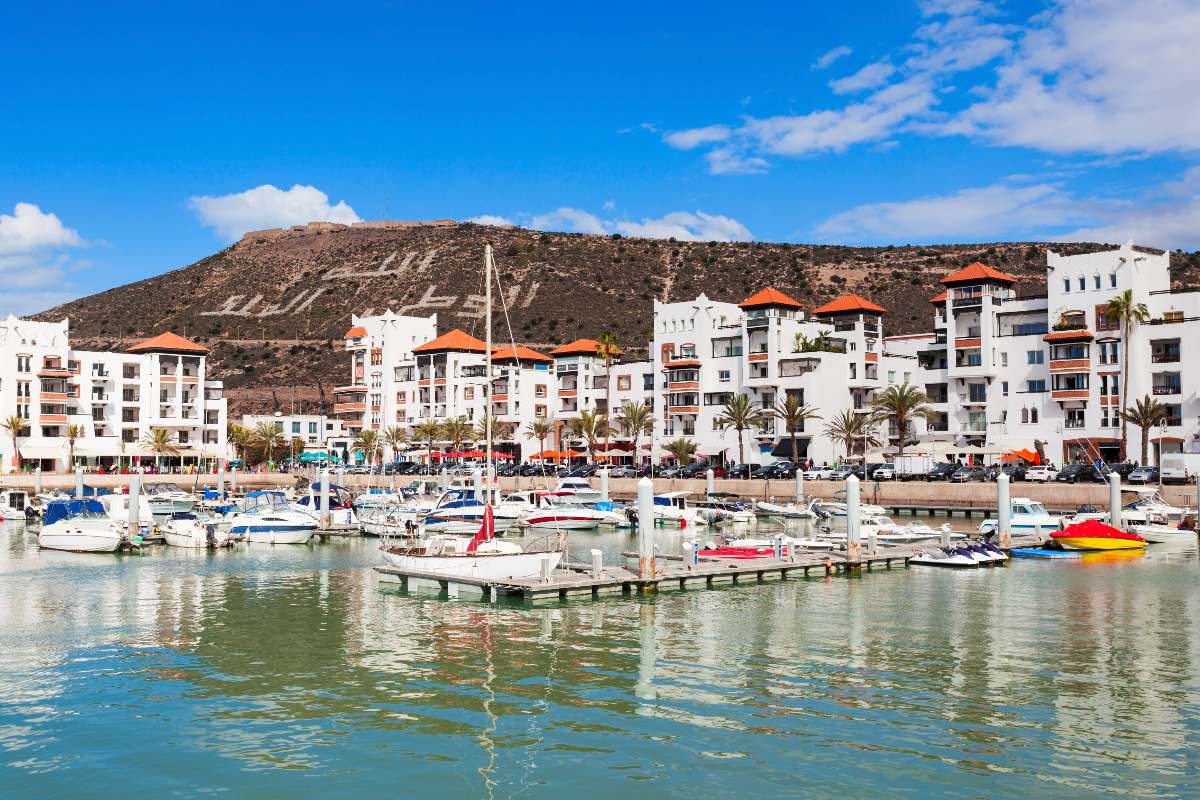
Agadir is one of Morocco’s clearest coastal tourism plays.
The city offers beaches, a milder climate, hotel infrastructure, a relaxed lifestyle and more affordable property options than some prime northern or central markets.
Agadir also benefits from Morocco’s wider tourism strategy and airport-expansion cycle.
The African Development Bank approved €270 million in financing to support Moroccan airport upgrades ahead of the 2030 World Cup, including airports in key tourist hubs such as Marrakech, Agadir, Tangier and Fez. Morocco’s broader plan aims to increase national airport capacity from 38 million to 80 million passengers by 2030.
For Agadir, this matters directly.
Tourism capacity, flight frequency and hotel expansion can support property demand, especially for furnished apartments, serviced residences and short-stay rental products.
But Agadir’s opportunity is tied to execution.
The city must continue improving service quality, transport, entertainment, healthcare, rental management and year-round demand.
A beach market with weak off-season occupancy can underperform even when tourism headlines look strong.
The strongest Agadir investment cases will be assets that can serve both holiday demand and longer-stay lifestyle demand.
Dakhla: Frontier Upside, Higher Execution Risk
Dakhla is not a conventional property market.
It is a frontier coastal thesis linked to tourism, kitesurfing, infrastructure, fisheries, energy, logistics and Morocco’s Atlantic strategy.
For international buyers, Dakhla may appear attractive because it is earlier in its development cycle.
But early-stage markets carry higher execution risk.
Investors must consider:
limited liquidity
infrastructure timing
- flight frequency
- local service depth
- property management
- legal due diligence
- environmental constraints
- seasonality
- exit risk
Dakhla may offer long-term upside if tourism, airport access, port development and energy projects scale successfully.
But it is not suitable for every buyer.
It is more appropriate for strategic investors, hospitality operators and higher-risk buyers who understand frontier-market timelines.
The Foreign Buyer Legal Layer
Foreign buyers can generally purchase residential and commercial property in Morocco.
However, agricultural land remains restricted for foreigners, and legal due diligence remains essential. International buyer guides consistently warn that foreigners should verify property title, registration, planning status and permitted land use before committing capital.
The key legal questions are practical:
Is the title clean?
Is the property properly registered?
Is there an Oqood-style pre-title risk or off-plan delivery risk?
Are there unpaid charges or disputes?
Is the seller legally authorised?
Is the property residential, commercial or agricultural?
Can the buyer repatriate funds later?
Are rental permits or declarations required?
For international buyers, Morocco is accessible.
But accessible does not mean frictionless.
A strong notary, verified title, bank documentation and clean foreign-exchange trail are essential.
The Rental Management Test
Coastal property returns depend heavily on management.
This is especially true for foreign owners who do not live in Morocco year-round.
A property may look attractive on paper, but net yield can collapse if management is poor.
The operating layer includes:
tenant screening
cleaning
maintenance
guest check-in
platform pricing
utility payment
damage control
tax declarations
building communication
emergency repairs
seasonal pricing
For short-term rentals, execution quality matters even more.
Photos, listing management, response time, reviews, linen, cleaning, check-in and regulatory compliance all affect performance.
International buyers should not underwrite Moroccan coastal property as a passive asset unless professional management is secured.
The asset is real estate.
The return is operations.
The Yield Compression Problem
As more foreign and diaspora capital enters prime coastal areas, yields may compress.
That means prices rise faster than rents.
This is already visible in many global lifestyle markets, where investors buy for lifestyle, capital preservation or optional use rather than pure yield.
Morocco is not immune to this pattern.
In prime coastal zones, buyers may accept lower yields because the property offers:
personal use
family base
currency diversification
lifestyle value
capital preservation
long-term 2030 upside
For pure investors, this creates risk.
A beautiful apartment with weak rental numbers may not be an investment.
It may be a lifestyle asset.
That distinction must be clear.
The best coastal investments combine both: personal usability and credible rental demand.
2030 Infrastructure and the Coastal Repricing Thesis
World Cup 2030 is not the only reason coastal Morocco is attracting interest, but it is accelerating the conversation.
The airport programme, tourism targets, hotel expansion, urban upgrades and international visibility all support the idea that Morocco’s coastal cities will receive more attention before 2030.
But investors should not buy only because of the World Cup.
Major events can create temporary excitement.
Long-term value depends on permanent demand.
The stronger thesis is broader:
airport expansion
tourism growth
remote-work demand
diaspora investment
private healthcare
service-sector growth
coastal lifestyle demand
improving infrastructure
World Cup 2030 is an accelerator.
It is not the entire investment case.
Investor Monetization Logic
Coastal Morocco creates opportunities across several property strategies.
The first is premium furnished rentals.
Tangier, Marrakech, Agadir and selected coastal districts can support medium-stay and short-stay furnished demand if the product is professionally managed.
The second is serviced residences.
Remote workers, executives and diaspora families increasingly need flexible, high-quality housing.
The third is boutique hospitality.
Essaouira, Dakhla and Agadir can support carefully positioned hospitality concepts.
The fourth is property management.
Foreign owners need professional operators to protect returns.
The fifth is renovation.
Older coastal assets can create value if upgraded to international standards.
The sixth is defensive prime property.
Rabat and Casablanca coastal districts can serve capital preservation buyers.
The strongest strategy depends on the city.
Tangier is yield and growth.
Rabat and Casablanca are capital preservation.
Essaouira is scarcity and boutique operations.
Agadir is tourism scale.
Dakhla is frontier optionality.
MMO Coastal Property Capital Matrix: 2026
Tangier
2026 market signal: prime rental demand is rising around Malabata, Corniche and central coastal corridors, with gross yield references ranging from 6% to 9% in broader market sources and 4% to 6% for conservative luxury assets.
Investor value: Europe-facing coastal growth, rental demand and infrastructure momentum.
Execution test: net yield after management, vacancy, maintenance and seasonality.
Rabat / Casablanca coast
2026 market signal: institutional and corporate demand supports selected prime districts, while national price growth remains moderate.
Investor value: capital preservation, liquidity and long-term tenant quality.
Execution test: lower yields, higher entry prices and strict asset selection.
Essaouira
2026 market signal: limited supply and lifestyle demand support boutique coastal assets.
Investor value: scarcity, tourism appeal and hospitality potential.
Execution test: thinner liquidity, operational management and renovation discipline.
Agadir
2026 market signal: tourism growth and airport expansion support coastal rental demand and affordability.
Investor value: scalable tourism-led property strategy and medium-stay rental potential.
Execution test: off-season occupancy, service quality and professional management.
Dakhla
2026 market signal: early-stage tourism, Atlantic infrastructure and strategic visibility are increasing long-term interest.
Investor value: frontier upside and hospitality-development potential.
Execution test: liquidity, infrastructure timing, flight access and regulatory due diligence.
What Investors Should Watch Next
Investors should monitor five signals.
First, whether tourism growth translates into year-round occupancy rather than only peak-season demand.
Second, whether airport upgrades improve flight frequency and access to Agadir, Tangier and southern destinations.
Third, whether premium furnished rental supply grows without excessive quality dilution.
Fourth, whether ANCFCC and Bank Al-Maghrib price data begin showing stronger coastal divergence from national averages.
Fifth, whether professional property management becomes more institutionalised.
These signals will determine whether coastal Morocco becomes a disciplined property-investment market or simply another lifestyle-driven buying wave.
Final Outlook
Morocco’s coastal property market is attracting more international attention, but the opportunity is selective.
Tourism growth, airport expansion, diaspora capital, remote-work demand and 2030 visibility are supporting coastal demand from Tangier to Agadir.
But investors must separate lifestyle appeal from investment performance.
The best assets will combine clean title, strong location, professional management, rental liquidity and realistic pricing.
Tangier offers growth and Europe-facing demand.
Rabat and Casablanca offer defensive capital preservation.
Essaouira offers lifestyle scarcity.
Agadir offers tourism scale.
Dakhla offers frontier upside with higher execution risk.
For international buyers, Morocco’s coast is not one market.
It is a portfolio of different risk profiles.
The winners will be those who underwrite the coast city by city, asset by asset, and net yield by net yield.
Executive Engagement
Are you investing in Moroccan coastal property, operating serviced rentals, managing foreign-owned assets, or advising international buyers?
MMO is tracking how international capital is moving across Morocco’s coastal real estate markets.
Share your operational insights with our editorial team or contact us with data on rental performance, buyer demand, management costs or transaction friction.